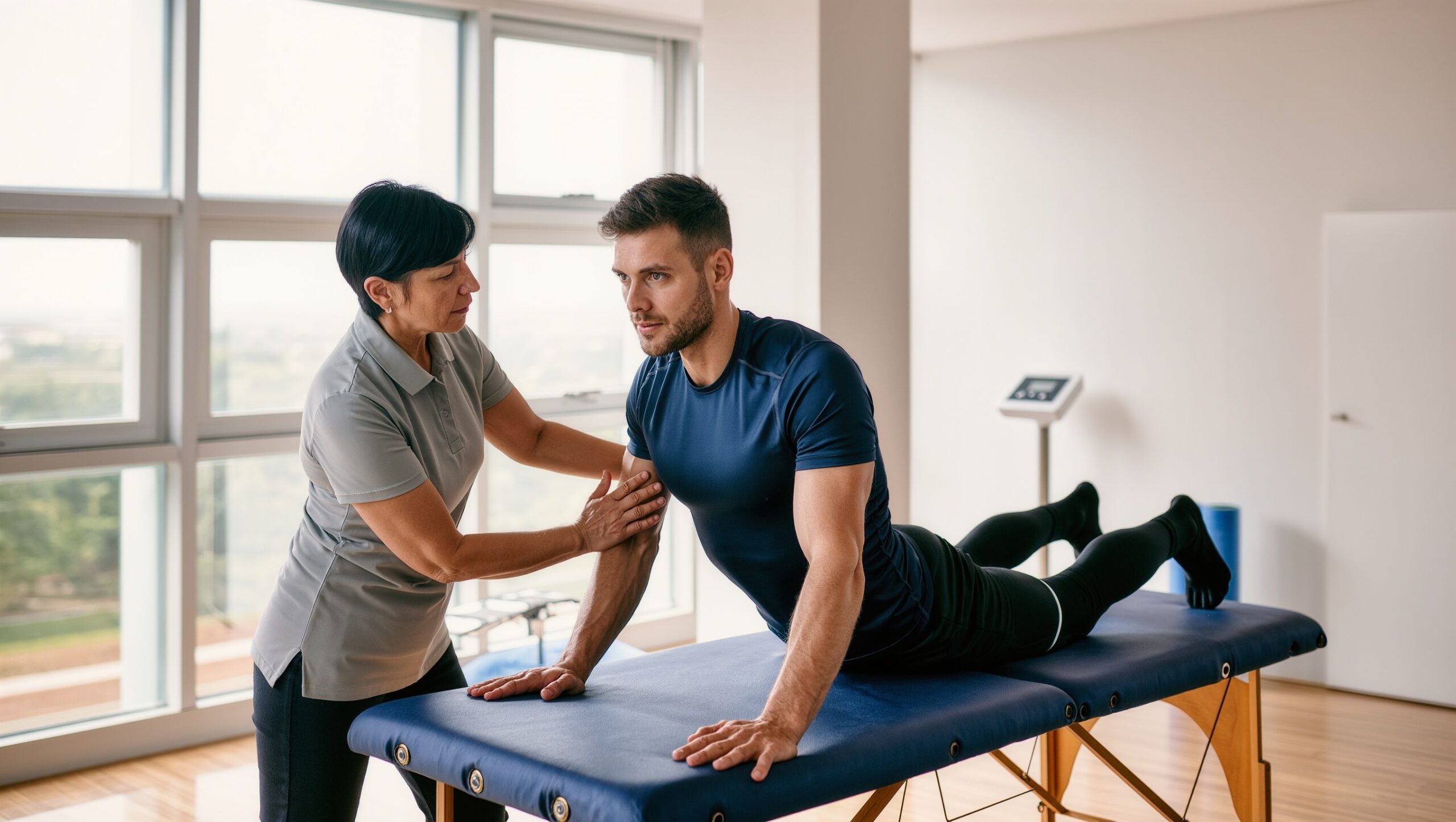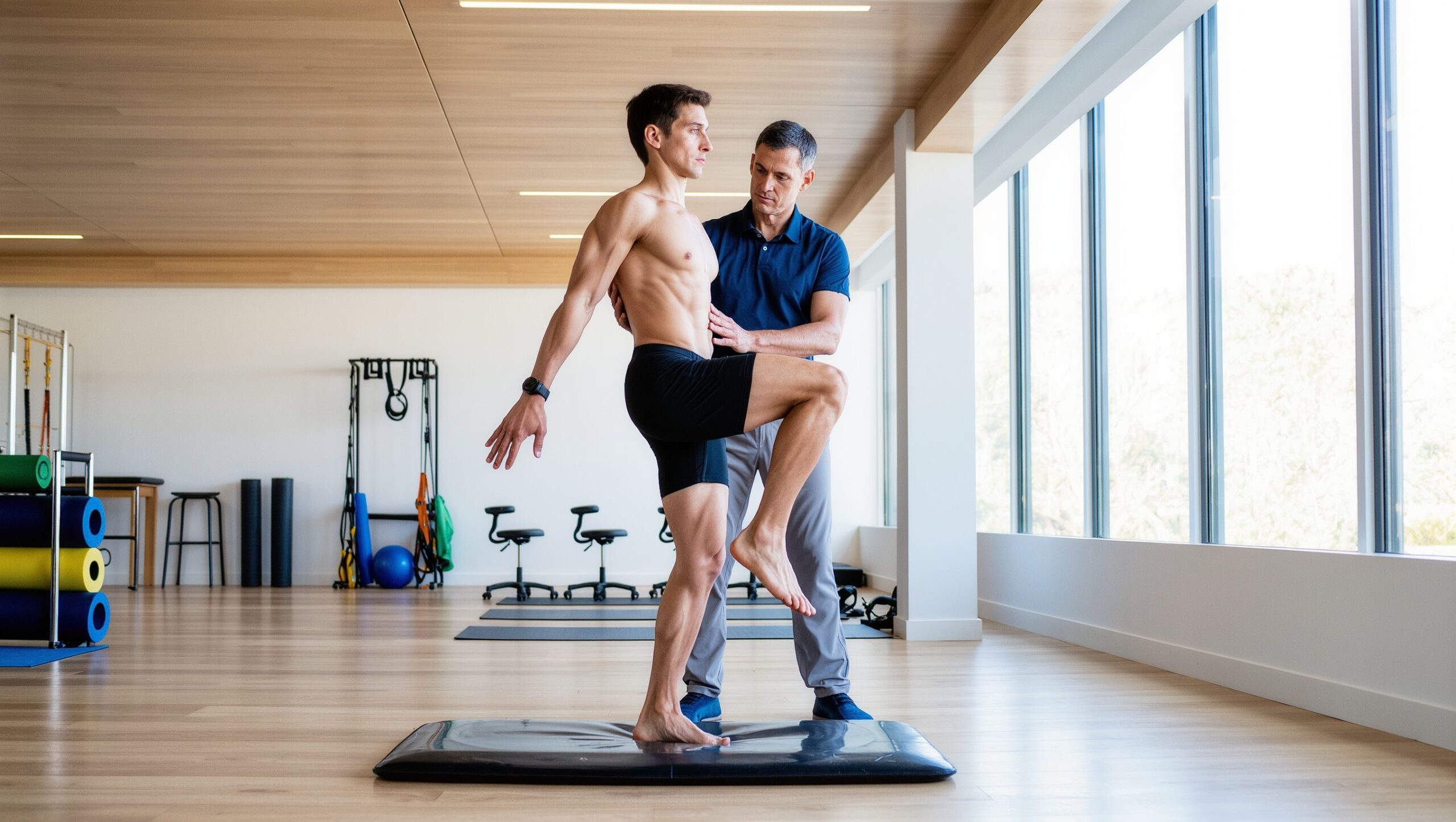
A sports injury can happen in an instant. One awkward landing, one sharp pivot, one unexpected collision—and suddenly the momentum of your training season shifts. Whether you are a competitive athlete, a weekend basketball player, a marathon runner, or someone who simply loves staying active, injuries disrupt more than just performance. They create uncertainty. Do you need physical therapy after a sports injury, or will rest alone be enough? The answer depends on the type of injury, its severity, and your long-term goals. For some minor strains or bruises, rest and gradual return to activity may be sufficient. But for many sports injuries—sprains, ligament tears, muscle strains, tendon issues, joint instability, and post-surgical recoveries—physical therapy is not just helpful, it is essential. Physical therapy after a sports injury is not only about reducing pain. It is about restoring mobility, rebuilding strength, correcting movement patterns, preventing reinjury, and helping you return to your sport with confidence. Skipping that step may seem like a time-saver in the short term, but it often leads to chronic problems, recurring pain, and diminished performance. Understanding when and why physical therapy matters can make the difference between a temporary setback and a long-term limitation.
Beyond Rest and Ice: Why Recovery Requires More Than Time
One of the biggest misconceptions in sports medicine is that time alone heals injuries. While the body does have remarkable healing capacity, passive rest rarely restores full function. Tissues may heal, but weakness, stiffness, and faulty movement patterns often remain.
After an ankle sprain, for example, swelling may go down in a few weeks. But without proper rehabilitation, the joint may remain unstable, increasing the risk of future sprains. After a hamstring strain, pain may subside, yet lingering weakness can alter running mechanics and overload other muscles.
Physical therapy bridges the gap between healing and performance. It addresses not only the injured tissue but the surrounding structures that influence movement. Therapists guide patients through progressive exercises that rebuild strength, improve range of motion, and retrain neuromuscular control.
Without this process, athletes often return to play prematurely. The result is a cycle of reinjury that becomes more difficult to resolve over time. Time is necessary for healing, but targeted rehabilitation ensures that healing translates into resilience.
Common Sports Injuries That Benefit from Physical Therapy
Many sports injuries respond exceptionally well to physical therapy. Ligament sprains, such as ankle, knee, and wrist injuries, often require structured rehabilitation to restore stability and proprioception. Muscle strains in the hamstrings, quadriceps, calves, or shoulders benefit from progressive strengthening and flexibility work.
Tendon injuries, including Achilles tendinopathy and tennis elbow, require carefully managed loading programs that stimulate healing without aggravation. Shoulder injuries common in throwing sports demand mobility restoration and rotator cuff strengthening to prevent chronic instability.
Even fractures, once cleared by a physician, often require physical therapy to regain strength and mobility after immobilization. Post-surgical recoveries, such as ACL reconstruction or rotator cuff repair, almost always include extensive physical therapy to restore full function.
Concussions and balance-related injuries may also involve specialized rehabilitation focused on vestibular training and cognitive recovery. In many cases, physical therapy becomes a central component of the overall recovery plan.
If an injury affects joint stability, muscle strength, range of motion, coordination, or athletic performance, physical therapy is typically recommended.
The Evaluation Phase: Identifying the Root Cause
A key benefit of physical therapy after a sports injury is comprehensive evaluation. A skilled physical therapist does not simply focus on where it hurts. They analyze how you move, how force travels through your body, and what factors contributed to the injury in the first place.
For instance, a runner with knee pain may have limited hip strength or restricted ankle mobility. A baseball player with shoulder pain may have poor thoracic rotation or scapular control. A soccer player with recurrent groin strains may have core instability or asymmetrical loading patterns.
The evaluation phase identifies these contributing factors. Through movement screening, strength testing, and posture assessment, therapists build a personalized plan designed to address underlying weaknesses and imbalances.
This individualized approach is what separates effective rehabilitation from generic exercise programs. Treating symptoms alone rarely prevents recurrence. Addressing the root cause changes long-term outcomes.
Rebuilding Strength, Stability, and Confidence
After injury, muscles often weaken quickly. Joint stability can decline. Even the brain’s communication with certain muscles may be disrupted. Physical therapy systematically rebuilds these foundations.
Rehabilitation typically begins with controlled, low-load exercises focused on restoring range of motion and activating stabilizing muscles. As pain decreases and control improves, exercises progress in intensity and complexity. Functional movements are introduced that mirror sport-specific demands.
For example, an athlete recovering from a knee injury may progress from simple quadriceps activation exercises to controlled squats, lunges, and eventually plyometric drills. A shoulder injury rehabilitation program may move from light resistance band work to overhead throwing mechanics.
This progression is intentional. It ensures tissues adapt safely while rebuilding strength. Just as important, it restores confidence. Fear of reinjury can alter performance and increase risk. Physical therapy helps athletes trust their bodies again.
Confidence is not built through rest. It is built through successful, guided movement.
Preventing Reinjury and Enhancing Performance
One of the strongest arguments for physical therapy after a sports injury is prevention. Research consistently shows that structured rehabilitation reduces the risk of future injuries.
Recurrent ankle sprains, repeated hamstring strains, and chronic shoulder instability often stem from incomplete rehabilitation. By improving balance, coordination, flexibility, and strength, physical therapy reduces these risks significantly.
Interestingly, many athletes report improved performance after completing physical therapy. Why? Because the rehabilitation process often corrects long-standing inefficiencies. Weak stabilizers are strengthened. Poor mechanics are refined. Mobility limitations are addressed.
In this way, physical therapy becomes a performance upgrade rather than just a recovery tool. It fine-tunes the body, making it more efficient and resilient.
Athletes who invest in rehabilitation often return not just healed, but improved.
When You Might Not Need Formal Physical Therapy
While physical therapy is beneficial for many injuries, not every minor ache requires formal treatment. Mild muscle soreness from overexertion, small contusions, or temporary stiffness may resolve with rest, ice, and gradual return to activity.
However, certain signs suggest professional evaluation is warranted. Persistent pain lasting more than a week, swelling that does not subside, limited range of motion, joint instability, numbness or tingling, or difficulty bearing weight are all indicators that medical guidance is appropriate.
Even in less severe cases, a single consultation can provide clarity. A therapist can assess whether your injury is likely to resolve independently or whether structured rehabilitation would improve outcomes.
The decision is not always binary. Sometimes a short course of therapy combined with a home exercise program is enough to ensure safe recovery.
The Long-Term Impact of Smart Rehabilitation
The real question may not be “Do you need physical therapy after a sports injury?” but rather “What happens if you skip it?” Returning to sport without proper rehabilitation increases the likelihood of chronic pain, compensatory injuries, and long-term joint degeneration. An inadequately rehabilitated knee injury, for example, may contribute to early arthritis. Chronic shoulder instability may limit overhead function permanently. Repeated hamstring strains can reduce sprint speed and explosiveness. On the other hand, smart rehabilitation protects your long-term athletic future. It promotes joint health, muscular balance, and efficient biomechanics. It empowers you with knowledge about proper warm-ups, recovery strategies, and load management. Physical therapy is an investment in longevity. For athletes who want to remain active for decades, not just seasons, that investment pays dividends. Sports injuries are frustrating, but they do not have to define your trajectory. With the right rehabilitation approach, they can become opportunities to rebuild stronger foundations. Whether you are recovering from a sprain, strain, surgery, or overuse injury, physical therapy offers a structured path back to performance. It transforms healing into progress and setbacks into stepping stones. If your goal is not just to play again, but to play better and safer, physical therapy is often the smartest move you can make after a sports injury.