Women’s Fitness: Strength, Confidence, and Holistic Health
Women’s fitness has evolved beyond just weight loss and toning—it’s about strength, balance, and confidence. Women often focus on a mix of strength training, cardiovascular fitness, flexibility, and functional movement to build a resilient body.
Strength training is a game-changer for women, helping to build lean muscle, improve bone density, and boost metabolism. Resistance exercises like squats, deadlifts, and push-ups empower women physically and mentally. Additionally, activities such as yoga and Pilates enhance flexibility, core strength, and mental clarity.
Cardiovascular fitness is another essential pillar. Activities like running, cycling, dance workouts, and HIIT (high-intensity interval training) enhance heart health and endurance. Many women also focus on hormonal balance through exercise, particularly during pregnancy, postpartum, and menopause. Fitness routines tailored to these life stages can help alleviate discomfort, improve energy levels, and promote overall well-being.
Women’s fitness isn’t just about physical transformation—it’s about fostering confidence, resilience, and a strong community of support.
Men’s Fitness: Building Strength, Endurance, and Peak Performance
Men often focus on strength, endurance, and athletic performance when it comes to fitness. A well-rounded approach includes resistance training, cardiovascular endurance, mobility, and recovery.
Weightlifting is a cornerstone of men’s fitness. Progressive strength training with compound movements like bench presses, squats, and deadlifts enhances muscle mass, bone health, and metabolism. Strength training also improves testosterone levels and boosts confidence.
Cardiovascular workouts such as sprinting, rowing, or interval training enhance endurance, heart health, and fat metabolism. Many men incorporate sports and functional training to improve agility, coordination, and explosive power.
Recovery and mobility are crucial yet often overlooked. Stretching, foam rolling, and yoga can prevent injuries and improve long-term performance. A balanced approach combining strength, endurance, and mobility ensures peak fitness at any age.
Senior Fitness: Longevity, Mobility, and Quality of Life
Fitness is a lifelong journey, and maintaining physical activity as we age is critical for longevity and independence. Senior fitness focuses on mobility, strength, balance, and joint health to maintain quality of life.
Low-impact exercises like walking, swimming, and cycling help maintain cardiovascular health without excessive joint stress. Strength training using light weights or resistance bands preserves muscle mass and bone density, reducing the risk of osteoporosis.
Balance exercises are crucial for fall prevention, enhancing stability, and improving coordination. Tai chi and yoga are excellent options that promote flexibility, balance, and mental wellness.
Seniors also benefit from social fitness—group classes and activities foster a sense of community, motivation, and engagement. Staying active keeps the mind sharp, the body strong, and the spirit youthful.
Youth Fitness: Building Healthy Habits for a Lifetime
The foundation for a healthy life begins in youth. Encouraging physical activity at an early age promotes better posture, cardiovascular health, mental well-being, and lifelong habits.
Youth fitness should be fun and engaging. Team sports, playground activities, dance, and martial arts make exercise enjoyable. Strength training for youth (when supervised properly) helps improve coordination, muscle development, and injury prevention.
With increased screen time, it’s more important than ever to encourage movement through structured activities like running, jumping, and agility drills. Youth training should emphasize body-weight exercises, coordination drills, and proper form to prevent injuries.
Teaching kids and teens the importance of exercise, healthy eating, and mental resilience sets them up for success in adulthood. Fitness isn’t just about sports—it’s about creating a foundation for lifelong health.
Adaptive Fitness: Overcoming Barriers and Redefining Possibilities
Adaptive fitness proves that there are no limitations—only possibilities. This specialized approach focuses on individuals with physical disabilities, injuries, or mobility challenges, ensuring that everyone can experience the benefits of movement.
Adaptive fitness includes strength training, mobility work, cardiovascular conditioning, and sport-specific training tailored to each individual’s ability. Wheelchair workouts, resistance band exercises, and seated strength training provide full-body benefits.
Many organizations and trainers now offer inclusive fitness programs, ensuring that individuals with disabilities have access to the best training methods and adaptive equipment. The rise of adaptive sports—such as wheelchair basketball, para powerlifting, and adaptive cycling—has further pushed the boundaries of what is possible.
Fitness is for everyone, and adaptive training continues to empower individuals to break barriers, build confidence, and achieve new milestones.
Fitness for Specific Conditions: Exercise as Medicine
Exercise is one of the most powerful tools in managing and preventing health conditions. Whether addressing chronic illness, mental health challenges, or post-injury recovery, fitness plays a transformative role in improving well-being.
- Diabetes: Strength training and cardiovascular exercise help regulate blood sugar levels and improve insulin sensitivity.
- Heart Disease: Low-impact cardio workouts like walking, swimming, and cycling strengthen the heart and improve circulation.
- Arthritis: Gentle resistance training and mobility exercises reduce joint pain and stiffness.
- Depression & Anxiety: Movement releases endorphins, the body’s natural mood boosters. Yoga, aerobic exercise, and outdoor activities support mental health.
- Osteoporosis: Weight-bearing exercises like resistance training and walking help maintain bone density.
- Cancer Recovery: Moderate exercise helps combat fatigue, improve mood, and restore strength post-treatment.
Fitness is a powerful tool for managing health and preventing disease. Tailored exercise programs help individuals navigate their unique health conditions and live a fuller, more vibrant life.
Embracing Group-Specific Fitness for a Healthier Future
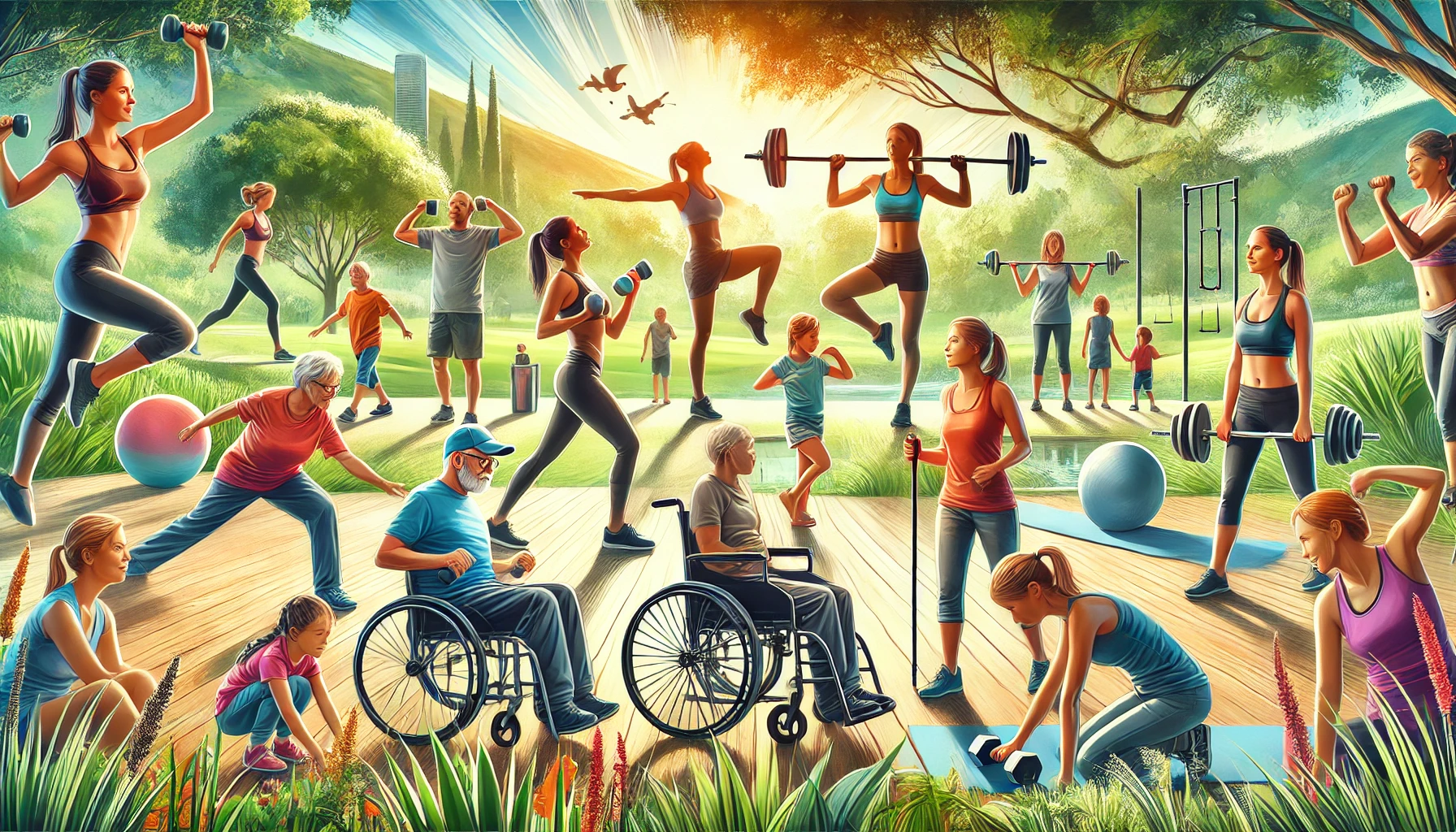
The beauty of fitness lies in its adaptability—there is a path for everyone, regardless of age, gender, ability, or health condition. Whether you’re lifting weights, practicing yoga, running marathons, or engaging in adaptive training, the key is to find an approach that aligns with your needs, goals, and passions.
By embracing group-specific fitness, we ensure that exercise is inclusive, effective, and sustainable. It’s not about fitting into a mold—it’s about unlocking your personal strength, resilience, and potential at every stage of life. So, find what moves you, stay consistent, and enjoy the lifelong journey to health and vitality!