

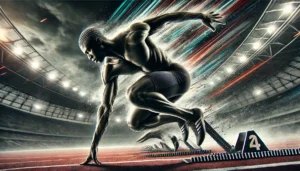
Athletics (Track and Field) Fitness
The Thrill of Athletics: The Ultimate Test of Speed, Strength, and EnduranceAthletics, also known as track and field, is one of the oldest and most revered sports in history. It’s where raw speed meets incredible endurance, explosive power blends with technical precision, and athletes push their bodies beyond limits to achieve greatness. From the exhilarating sprint events to the grueling endurance races, from the awe-inspiring jumps to the mighty throws,

Badminton Fitness
Master the Art of Badminton: Precision Meets Power Badminton is more than a game—it’s a thrilling fusion of speed, strategy, and skill. With every lightning-fast rally and perfectly timed smash, players showcase the athleticism and mental sharpness that make this sport truly electrifying. Whether you’re battling it out on the court or honing your technique in training, badminton pushes you to think fast, move faster, and strive for excellence with

Baseball Fitness
Step Up to the Plate: Unlock Your Full Potential in Baseball Baseball is more than America’s pastime—it’s a sport of precision, power, and passion. From the crack of the bat to the thrill of a perfectly executed double play, baseball combines strategy, skill, and athleticism in every inning. Whether you’re throwing the perfect pitch, sprinting to steal a base, or hitting a walk-off home run, success on the diamond demands

Basketball Fitness
Elevate Your Game: Fitness for Basketball Excellence Basketball is more than a sport—it’s a dynamic blend of speed, agility, and power that demands peak performance at every level. From nailing a three-pointer to breaking through defenders with explosive drives, basketball is a test of both skill and fitness. Whether you’re perfecting your jump shot or hustling for a rebound, every movement on the court requires precision, endurance, and strength. This

Bowling Fitness
Strike Your Fitness Goals: The Art and Power of Bowling Bowling is more than a game—it’s a skillful combination of focus, precision, and physical agility. From the satisfying crack of a perfectly executed strike to the strategic finesse of splitting pins, bowling brings together strategy and athleticism in a way that’s both thrilling and accessible. Whether you’re a weekend enthusiast or striving to master the lanes, improving your bowling fitness

Boxing Fitness
Unleash Your Inner Fighter: The Power and Precision of Boxing Boxing is more than just a sport—it’s a test of strength, agility, and mental toughness that transforms you inside and out. From the sound of gloves hitting the bag to the electrifying energy of a perfectly timed jab, boxing is the ultimate blend of discipline, strategy, and raw power. Whether you’re stepping into the ring or training to enhance your

Cricket Fitness
Step Onto the Pitch: The Fitness Behind Cricket Excellence Cricket is more than just a game—it’s a thrilling combination of strategy, endurance, and precision that keeps players and fans captivated. From the adrenaline of a perfectly timed boundary to the finesse of a spinning delivery, cricket demands a unique blend of physical fitness and mental focus. Whether you’re a batter, bowler, or fielder, every role on the pitch requires skill,

Cycling Fitness
Pedal Towards Your Best Self: The Thrill of Cycling Fitness Cycling is more than just a way to get from point A to point B—it’s an exhilarating journey of speed, endurance, and freedom. Whether you’re powering through city streets, conquering mountain trails, or racing along open roads, cycling is the ultimate test of physical stamina and mental toughness. It’s a sport that challenges your limits while offering an unmatched sense

Dancing Fitness
Unleash Your Rhythm: Fitness Through Dance Dancing is more than just movement—it’s a celebration of rhythm, expression, and energy. Whether you’re grooving to a beat in a dance studio, mastering hip-hop moves, or perfecting graceful ballet techniques, dance is the ultimate workout for the body and soul. It’s a full-body experience that challenges strength, coordination, and flexibility, all while letting you express your unique style. This is your go-to destination

Football Fitness
Gear Up for Greatness: Football Fitness Unleashed Football is a game of passion, power, and precision. It’s more than just a sport—it’s a test of physical endurance, mental toughness, and the relentless drive to perform at your peak. Whether you’re charging down the field as a running back, executing a flawless pass as a quarterback, or diving for a catch as a wide receiver, football demands strength, speed, agility, and

Golf Fitness
Drive Your Game: Fitness for Golf Excellence Golf is a game of skill, precision, and strategy, but to truly excel, it requires more than just a steady hand and a good swing. It’s a sport that demands flexibility, balance, strength, and mental focus. Whether you’re teeing off for the perfect drive, lining up a tricky putt, or navigating a challenging course, your body’s fitness plays a pivotal role in your

Handball Fitness
Power Up Your Game: Fitness for Handball Excellence Handball is a fast-paced, dynamic sport that demands agility, strength, speed, and mental focus. Whether you’re making a break for the goal, defending with precision, or executing a powerful throw, handball requires peak fitness at every level. It’s not just about skill—it’s about conditioning your body to move with explosive power, maintain endurance through high-intensity play, and recover quickly between each action.

Hockey Fitness
Skate Hard, Play Harder: Fitness for Hockey Performance Hockey is a fast, fierce, and demanding sport that requires skill, speed, and endurance. Whether you’re speeding down the ice, fighting for position in the corner, or lining up for a slapshot, your body needs to be in peak condition. It’s not just about skating—hockey demands strength, agility, and mental toughness, all while maintaining explosive speed and quick reflexes. This is your

Lacrosse Fitness
Unleash Your Power: Fitness for Lacrosse Dominance Lacrosse is a high-intensity sport that blends speed, strategy, and strength into one fast-paced, action-packed game. Whether you’re dodging defenders, making a precision pass, or firing a powerful shot, lacrosse demands both physical conditioning and mental sharpness. It’s a game where agility, endurance, and explosive strength are key to outlasting your opponents and securing victory. This is your ultimate source for lacrosse-specific fitness.

Racquetball Fitness
Smash Your Goals: Fitness for Racquetball Mastery Racquetball is fast, thrilling, and a true test of your agility, speed, and endurance. Whether you’re sprinting to the back wall, executing a perfect drive, or hitting a flawless kill shot, racquetball demands precision, quick reflexes, and relentless energy. Every movement on the court requires explosive power and the mental focus to stay one step ahead of your opponent. This is your go-to

Rugby Fitness
Unleash the Beast: Fitness for Rugby Champions Rugby is a sport of power, strategy, and toughness. It’s a test of physical endurance, mental grit, and unrelenting strength. Whether you’re charging through tackles, sprinting down the field, or executing a perfect pass, rugby demands explosive energy, speed, and conditioning to dominate every aspect of the game. This is your ultimate resource for rugby-specific fitness. We’ve gathered expert workouts, drills, and tips

Soccer Fitness
Kickstart Your Game: Soccer Fitness for Champions Soccer is a game of passion, skill, and unrelenting energy. It’s a sport that demands agility, endurance, and the ability to think and move quickly. Whether you’re making that crucial pass, taking a shot on goal, or sprinting to outpace an opponent, soccer requires a unique blend of athleticism and mental sharpness to succeed at the highest level. This is your ultimate hub

Surfing Fitness
Ride the Wave: Fitness for Surfing Excellence Surfing is more than just a sport—it’s a thrilling adventure that connects you to the ocean and challenges both your body and mind. Every wave you catch is a test of strength, balance, flexibility, and endurance, as you navigate the water with precision and power. Whether you’re paddling out to the break or riding the perfect wave, surfing requires incredible athleticism and focus

Swimming Fitness
Dive Into Fitness: Swimming for Peak Performance Swimming is the ultimate full-body workout, blending strength, endurance, and technique into one fluid motion. Whether you’re swimming laps in the pool or preparing for a race in open water, swimming challenges your body like no other sport. Every stroke builds muscle, increases cardiovascular fitness, and boosts flexibility, making it one of the most effective ways to stay in shape. This is your

Table Tennis Fitness
Smash Your Limits: Fitness for Table Tennis Excellence Table tennis is more than just a fast-paced game—it’s a dynamic blend of agility, precision, and mental sharpness. Whether you’re executing a perfect spin, making lightning-fast reflexes at the table, or strategizing for the next point, table tennis requires not only skill but a high level of fitness. It’s a game that demands quick footwork, explosive movements, and excellent coordination to outplay

Tennis Fitness
Serve Up Success: Fitness for Tennis Performance Tennis is a sport of power, precision, and agility. Every match is a test of speed, endurance, and mental toughness as you chase down every ball, deliver powerful serves, and execute strategic shots. Whether you’re playing singles or doubles, tennis demands a unique combination of explosive movements, stamina, and fine-tuned skills. It’s a game that pushes your body to its limits, and the

Volleyball Fitness
Jump Higher, Hit Harder: Fitness for Volleyball Excellence Volleyball is a fast-paced, high-energy sport that demands agility, strength, and explosive power. Whether you’re spiking the ball over the net, diving for a save, or preparing for a big serve, volleyball requires a unique blend of athleticism, coordination, and mental focus. It’s a game that challenges your body with every jump, sprint, and powerful strike. This is your ultimate hub for

Weight Lifting Fitness
Lift Stronger, Live Stronger: Unlock Your Full Potential with Weight Lifting Weight lifting is more than just building muscle—it’s about building strength, confidence, and mental resilience. Whether you’re lifting to improve your athletic performance, increase your daily functional strength, or transform your body, weight lifting is the ultimate way to challenge yourself and see incredible results. Every rep, every set, and every lift brings you closer to becoming the strongest

Wrestling Fitness
Unleash Your Power: Fitness for Wrestling Mastery Wrestling is a true test of strength, agility, endurance, and mental toughness. It’s a sport where every move, every hold, and every decision on the mat demands both physical and mental preparation. Whether you’re battling for position, executing a takedown, or powering through a pin, wrestling requires explosive power, balance, and relentless determination. This is your ultimate resource for wrestling-specific fitness. Here, we