Energy is not just a matter of willpower or motivation, especially for women. Hormones, sleep quality, stress load, nutrition, and movement patterns all interact to influence how energized or depleted the body feels throughout the day. Women often juggle multiple roles while navigating hormonal fluctuations tied to menstrual cycles, pregnancy, postpartum changes, or perimenopause, all of which can affect energy availability. When energy dips, it is tempting to rely on caffeine or sugar for quick fixes, but these strategies often lead to crashes and long-term fatigue. Women’s fitness offers a natural, sustainable way to restore vitality by improving how the body produces, uses, and preserves energy. Understanding energy as a system rather than a single problem is the first step toward lasting change.
Movement as Medicine: How Exercise Creates More Energy
One of the most misunderstood aspects of fitness is its relationship to energy. Many women avoid exercise when they feel tired, assuming rest alone will solve the problem. While recovery is essential, strategic movement actually increases energy by improving circulation, oxygen delivery, and mitochondrial efficiency. Regular exercise trains the body to produce energy more efficiently at the cellular level. Rather than draining reserves, well-structured workouts improve endurance and mental clarity. The key is choosing the right type and intensity of movement. When fitness is aligned with the body’s needs, energy levels rise steadily instead of fluctuating wildly throughout the day.
Strength Training for Sustainable Vitality
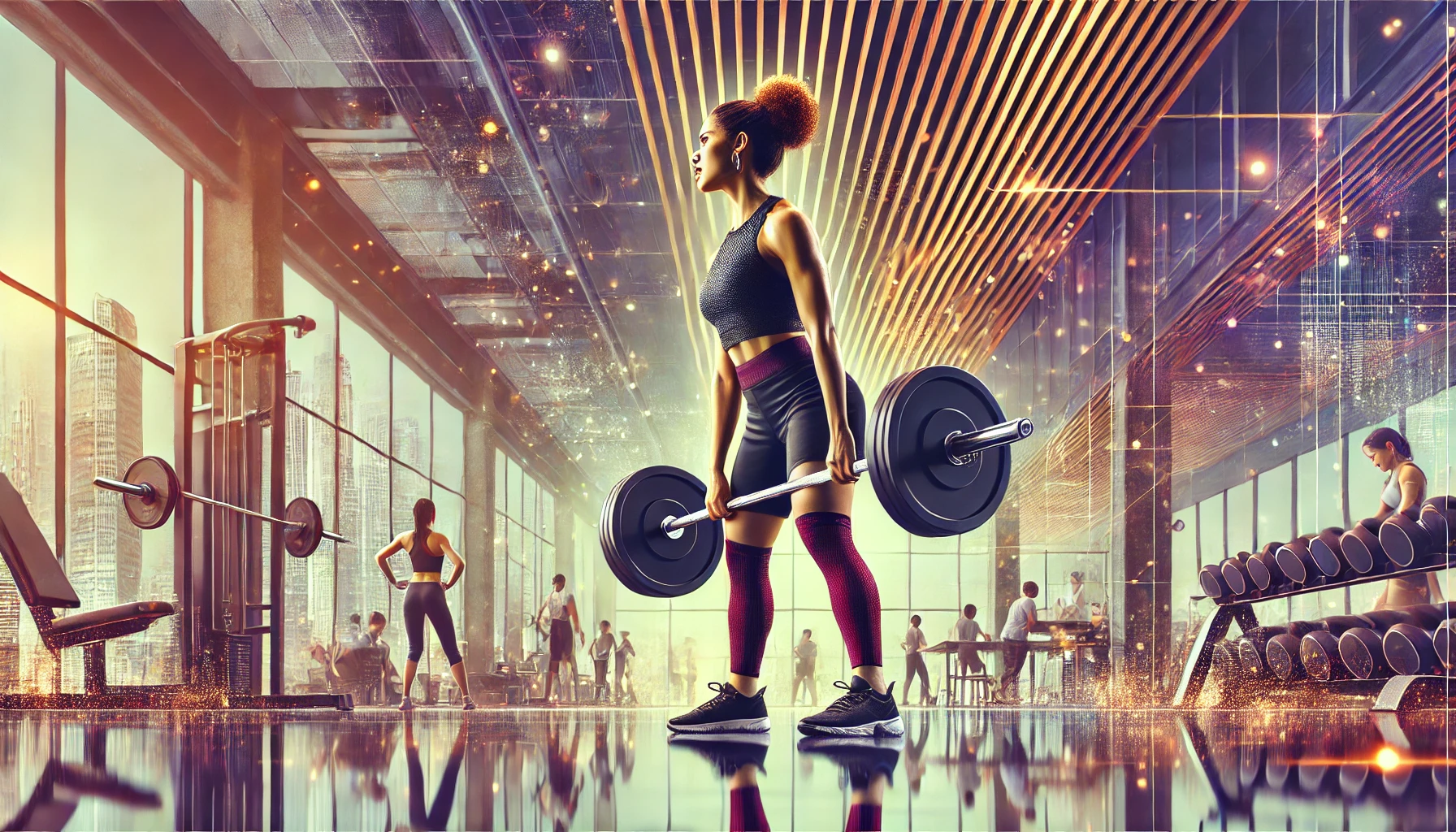
Strength training is one of the most powerful yet underutilized tools for boosting energy naturally. Building lean muscle improves insulin sensitivity and metabolic efficiency, allowing the body to convert food into usable energy more effectively. For women, strength training also supports hormonal balance by reducing stress hormone output over time and improving overall resilience. Unlike exhaustive cardio sessions, strength workouts tend to leave women feeling grounded and strong rather than depleted. Consistent resistance training enhances posture, reduces physical strain during daily activities, and builds confidence, all of which contribute to feeling more energized and capable throughout the day.
Cardio That Energizes Instead of Exhausts
Cardiovascular exercise plays an important role in energy management, but the type of cardio matters. Long, high-intensity sessions performed too frequently can increase fatigue and elevate stress hormones. On the other hand, moderate, rhythmic cardio improves heart health, circulation, and mood without overwhelming the nervous system. Activities such as walking, cycling, swimming, or steady-paced jogging support energy production by enhancing oxygen efficiency and promoting relaxation. When cardio is used as a tool for restoration rather than punishment, it becomes a reliable source of daily vitality rather than a contributor to burnout.
Fueling Energy from the Inside Out
Fitness and energy are deeply connected to nutrition. The body requires consistent fuel to support movement, recovery, and daily function. Skipping meals or under-eating often leads to low energy, irritability, and brain fog, even in women who exercise regularly. Balanced meals that combine protein, complex carbohydrates, and healthy fats provide steady energy instead of spikes and crashes. Protein supports muscle repair and hormone production, carbohydrates replenish glycogen stores, and fats contribute to cellular health. Hydration also plays a critical role, as even mild dehydration can significantly reduce physical and mental energy. When nutrition supports fitness, energy becomes stable and predictable rather than elusive.
Stress, Recovery, and the Energy Reset
Chronic stress is one of the most common energy drains for women. Even with a solid workout routine, unmanaged stress can keep the body in a constant state of alertness, preventing true recovery. Fitness routines that include recovery-focused elements such as stretching, mobility work, and low-intensity movement help calm the nervous system and restore balance. Sleep quality is equally important, as energy production is closely tied to hormonal rhythms regulated during rest. When women prioritize recovery as much as training, the body responds with improved stamina, clearer thinking, and greater emotional stability.
Daily Fitness Habits That Multiply Energy
Energy is built through consistency, not intensity alone. Small, repeatable fitness habits often have a greater impact than occasional intense workouts. Short strength sessions, daily walks, or brief mobility routines keep the body engaged without overwhelming it. Movement throughout the day improves circulation, supports digestion, and reduces stiffness that contributes to fatigue. These habits also reinforce a positive feedback loop, where feeling more energized makes it easier to stay active, and staying active further boosts energy. Over time, these daily practices reshape how the body responds to physical and mental demands.
From Drained to Dynamic: Building an Energized Lifestyle
Improving energy levels naturally with women’s fitness is about alignment rather than extremes. When workouts, nutrition, recovery, and lifestyle habits work together, energy becomes a natural byproduct instead of a constant struggle. Progress often appears subtly at first, through improved focus, better mood, and fewer afternoon crashes. As the body adapts, these changes compound into sustained vitality that supports work, relationships, and personal goals. Women who approach fitness as a source of nourishment rather than depletion discover that energy is not something to chase, but something to cultivate. With consistency and intention, fitness becomes a foundation for a life that feels strong, balanced, and truly energized.