
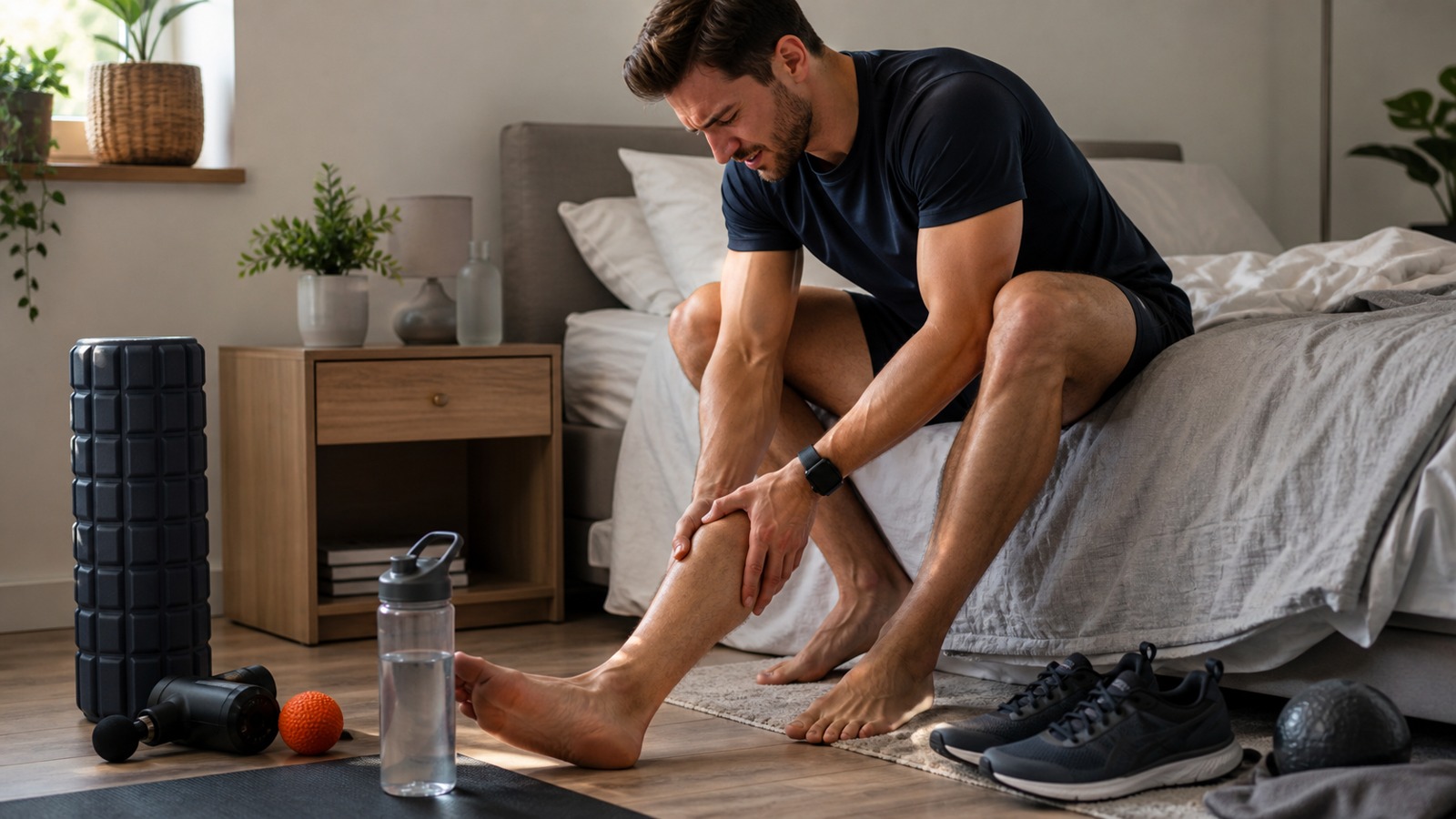
How to Recover from DOMS (Delayed Onset Muscle Soreness) can sound simple until you try to fit it into a busy training life. Many people know they should recover, but they are less sure what recovery should feel like, how long it should last, or how to tell the difference between helpful movement and a workout wearing a gentler name. This article takes a stretch sequencing angle so the advice stays specific. The magic is in restraint. Active recovery works best when it asks the body to move, but never asks it to prove anything. For most exercisers, the best answer is not complete stillness or another intense session. It is a carefully chosen dose of easy movement that supports circulation, lowers stiffness, restores range of motion, and keeps the training habit alive. The sections below explain how to use the idea in practical terms, with enough detail for beginners and enough nuance for consistent athletes who want better results.
Why How to Recover from DOMS (Delayed Onset Muscle Soreness) Deserves a Clear Plan
The first thing to understand about how to recover from doms (delayed onset muscle soreness) is that recovery is a response, not a ritual. Your body responds to the amount of stress you place on it, the quality of your sleep, the food and fluids available, and the way you move between hard sessions. When the focus is recover, the best approach is usually modest and repeatable. You want warmth in the muscles, easier breathing, smoother joints, and a sense that movement is becoming simpler. If the session creates heavy fatigue, strained breathing, or the urge to compete with yourself, it has probably drifted away from recovery.
A useful session begins with a check-in. Notice soreness, joint irritation, mood, and energy before choosing the activity. Someone dealing with tight hips might benefit from walking and hip mobility, while someone who feels mentally restless may do better with easy cycling, yoga, or swimming. The specific method matters less than the dose. Keep intensity low enough that conversation feels easy. Move through comfortable ranges instead of forcing positions. Let doms guide the plan, but keep the result practical: you should finish feeling more capable than when you started.
Boundaries keep the session useful. A twenty to forty minute window is enough for many people, and even five to ten minutes can help after a very hard day. Use gentle breathing, slower transitions, and simple movements you can repeat comfortably.
The Body Signals That Shape Recover From Doms
The first thing to understand about how to recover from doms (delayed onset muscle soreness) is that recovery is a response, not a ritual. Your body responds to the amount of stress you place on it, the quality of your sleep, the food and fluids available, and the way you move between hard sessions. When the focus is from, the best approach is usually modest and repeatable. You want warmth in the muscles, easier breathing, smoother joints, and a sense that movement is becoming simpler. If the session creates heavy fatigue, strained breathing, or the urge to compete with yourself, it has probably drifted away from recovery.
A useful session begins with a check-in. Notice soreness, joint irritation, mood, and energy before choosing the activity. Someone dealing with tight hips might benefit from walking and hip mobility, while someone who feels mentally restless may do better with easy cycling, yoga, or swimming. The specific method matters less than the dose. Keep intensity low enough that conversation feels easy. Move through comfortable ranges instead of forcing positions. Let delayed guide the plan, but keep the result practical: you should finish feeling more capable than when you started.
Boundaries keep the session useful. A twenty to forty minute window is enough for many people, and even five to ten minutes can help after a very hard day. Use gentle breathing, slower transitions, and simple movements you can repeat comfortably.
How to Keep Effort Low Without Making It Empty
The first thing to understand about how to recover from doms (delayed onset muscle soreness) is that recovery is a response, not a ritual. Your body responds to the amount of stress you place on it, the quality of your sleep, the food and fluids available, and the way you move between hard sessions. When the focus is doms, the best approach is usually modest and repeatable. You want warmth in the muscles, easier breathing, smoother joints, and a sense that movement is becoming simpler. If the session creates heavy fatigue, strained breathing, or the urge to compete with yourself, it has probably drifted away from recovery.
A useful session begins with a check-in. Notice soreness, joint irritation, mood, and energy before choosing the activity. Someone dealing with tight hips might benefit from walking and hip mobility, while someone who feels mentally restless may do better with easy cycling, yoga, or swimming. The specific method matters less than the dose. Keep intensity low enough that conversation feels easy. Move through comfortable ranges instead of forcing positions. Let onset guide the plan, but keep the result practical: you should finish feeling more capable than when you started.
Boundaries keep the session useful. A twenty to forty minute window is enough for many people, and even five to ten minutes can help after a very hard day. Use gentle breathing, slower transitions, and simple movements you can repeat comfortably.
What This Looks Like in a Real Training Week
The first thing to understand about how to recover from doms (delayed onset muscle soreness) is that recovery is a response, not a ritual. Your body responds to the amount of stress you place on it, the quality of your sleep, the food and fluids available, and the way you move between hard sessions. When the focus is delayed, the best approach is usually modest and repeatable. You want warmth in the muscles, easier breathing, smoother joints, and a sense that movement is becoming simpler. If the session creates heavy fatigue, strained breathing, or the urge to compete with yourself, it has probably drifted away from recovery.
A useful session begins with a check-in. Notice soreness, joint irritation, mood, and energy before choosing the activity. Someone dealing with tight hips might benefit from walking and hip mobility, while someone who feels mentally restless may do better with easy cycling, yoga, or swimming. The specific method matters less than the dose. Keep intensity low enough that conversation feels easy. Move through comfortable ranges instead of forcing positions. Let muscle guide the plan, but keep the result practical: you should finish feeling more capable than when you started.
Boundaries keep the session useful. A twenty to forty minute window is enough for many people, and even five to ten minutes can help after a very hard day. Use gentle breathing, slower transitions, and simple movements you can repeat comfortably.
Common Mistakes That Make Recovery Feel Harder
The first thing to understand about how to recover from doms (delayed onset muscle soreness) is that recovery is a response, not a ritual. Your body responds to the amount of stress you place on it, the quality of your sleep, the food and fluids available, and the way you move between hard sessions. When the focus is onset, the best approach is usually modest and repeatable. You want warmth in the muscles, easier breathing, smoother joints, and a sense that movement is becoming simpler. If the session creates heavy fatigue, strained breathing, or the urge to compete with yourself, it has probably drifted away from recovery.
A useful session begins with a check-in. Notice soreness, joint irritation, mood, and energy before choosing the activity. Someone dealing with tight hips might benefit from walking and hip mobility, while someone who feels mentally restless may do better with easy cycling, yoga, or swimming. The specific method matters less than the dose. Keep intensity low enough that conversation feels easy. Move through comfortable ranges instead of forcing positions. Let recover guide the plan, but keep the result practical: you should finish feeling more capable than when you started.
Boundaries keep the session useful. A twenty to forty minute window is enough for many people, and even five to ten minutes can help after a very hard day. Use gentle breathing, slower transitions, and simple movements you can repeat comfortably.
How to Personalize Recover From Doms for Your Body
The first thing to understand about how to recover from doms (delayed onset muscle soreness) is that recovery is a response, not a ritual. Your body responds to the amount of stress you place on it, the quality of your sleep, the food and fluids available, and the way you move between hard sessions. When the focus is muscle, the best approach is usually modest and repeatable. You want warmth in the muscles, easier breathing, smoother joints, and a sense that movement is becoming simpler. If the session creates heavy fatigue, strained breathing, or the urge to compete with yourself, it has probably drifted away from recovery.
A useful session begins with a check-in. Notice soreness, joint irritation, mood, and energy before choosing the activity. Someone dealing with tight hips might benefit from walking and hip mobility, while someone who feels mentally restless may do better with easy cycling, yoga, or swimming. The specific method matters less than the dose. Keep intensity low enough that conversation feels easy. Move through comfortable ranges instead of forcing positions. Let from guide the plan, but keep the result practical: you should finish feeling more capable than when you started.
Boundaries keep the session useful. A twenty to forty minute window is enough for many people, and even five to ten minutes can help after a very hard day. Use gentle breathing, slower transitions, and simple movements you can repeat comfortably.
Building a Sustainable Recovery Habit
The first thing to understand about how to recover from doms (delayed onset muscle soreness) is that recovery is a response, not a ritual. Your body responds to the amount of stress you place on it, the quality of your sleep, the food and fluids available, and the way you move between hard sessions. When the focus is recover, the best approach is usually modest and repeatable. You want warmth in the muscles, easier breathing, smoother joints, and a sense that movement is becoming simpler. If the session creates heavy fatigue, strained breathing, or the urge to compete with yourself, it has probably drifted away from recovery.
A useful session begins with a check-in. Notice soreness, joint irritation, mood, and energy before choosing the activity. Someone dealing with tight hips might benefit from walking and hip mobility, while someone who feels mentally restless may do better with easy cycling, yoga, or swimming. The specific method matters less than the dose. Keep intensity low enough that conversation feels easy. Move through comfortable ranges instead of forcing positions. Let doms guide the plan, but keep the result practical: you should finish feeling more capable than when you started.
Boundaries keep the session useful. A twenty to forty minute window is enough for many people, and even five to ten minutes can help after a very hard day. Use gentle breathing, slower transitions, and simple movements you can repeat comfortably.
The Takeaway for How to Recover from DOMS (Delayed Onset Muscle Soreness)
The best way to use how to recover from doms (delayed onset muscle soreness) is to make it specific, calm, and honest. Choose movements that match your soreness and schedule, keep the effort intentionally low, and judge success by how you feel afterward rather than how impressive the session looks. Done well, active recovery can help you return to training with better movement, less stiffness, and more confidence. It will not replace sleep, food, hydration, or sensible programming, but it can connect those pieces into a rhythm that is easier to maintain. That rhythm is where the long-term value lives: not in a single perfect recovery day, but in many small choices that let progress continue.


