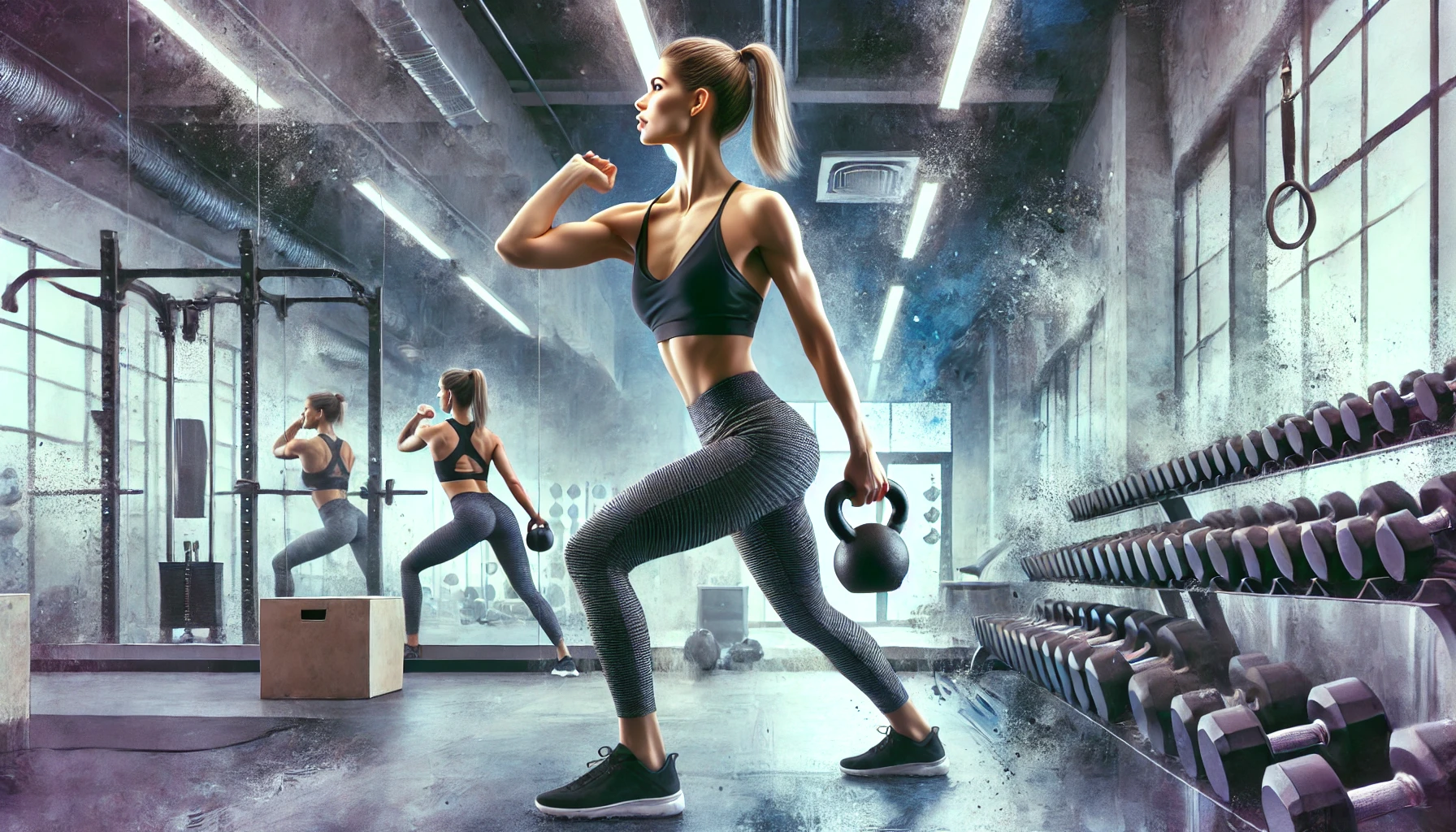
Sculpted arms are about far more than appearance. They represent strength, confidence, posture, and the ability to move through daily life with ease. For many women, arm training has been misunderstood or avoided due to outdated fears of bulk or imbalance. In reality, well-designed arm workouts create lean definition, improved muscle tone, and long, elegant lines that enhance the entire upper body. Arms respond quickly to intelligent training because they are involved in so many movements, from lifting groceries to stabilizing the shoulders and spine. When approached strategically, arm workouts become a powerful tool for shaping the body while boosting metabolism, improving posture, and supporting overall athleticism.
Understanding Arm Anatomy to Shape with Purpose
To sculpt the arms effectively, it helps to understand how they work. The upper arm is primarily shaped by the biceps on the front and the triceps on the back, while the shoulders, forearms, and upper back play a critical supporting role. Many women focus heavily on the biceps, yet the triceps actually make up a larger portion of the arm and are essential for achieving a toned, firm look. Shoulder muscles influence how the arms hang and frame the torso, while the upper back provides stability and balance. Training the arms as part of a connected upper-body system ensures smoother lines, better definition, and a more natural, athletic appearance.
Strength Training as the Foundation of Arm Sculpting
Resistance training is the most effective way to sculpt arms because it stimulates muscle fibers to adapt and reshape. Contrary to popular belief, lifting weights does not automatically create bulk in women. Hormonal differences mean that strength training leads to firmness and definition rather than excessive size. Using moderate weights with controlled movements encourages muscle engagement without overwhelming the joints. Progressive overload, where resistance gradually increases over time, helps muscles stay responsive and prevents plateaus. When strength training is consistent and properly fueled, arms become stronger, tighter, and more visually defined without sacrificing femininity or flexibility.
High-Repetition Training for Lean Definition
While heavier resistance builds the foundation, higher-repetition workouts refine the details. Using lighter weights with controlled, deliberate repetitions increases time under tension, which enhances muscle endurance and tone. This approach is particularly effective for women seeking smooth definition rather than dramatic size changes. Slower tempos and focused contractions improve the mind-muscle connection, making each movement more effective. High-repetition training also increases blood flow to the muscles, contributing to that sculpted, energized feeling many women love after an arm workout. When combined with strength-based sessions, this method creates balance between power and polish.
The Role of Compound Movements in Arm Shaping
Some of the best arm-sculpting exercises do not isolate the arms at all. Compound movements such as push-ups, rows, and presses engage multiple muscle groups simultaneously, forcing the arms to work in coordination with the chest, shoulders, and back. This integrated approach builds functional strength and improves overall upper-body symmetry. Compound exercises also burn more calories and stimulate greater hormonal responses, which supports fat loss around the arms. By incorporating these movements into regular workouts, women can sculpt their arms while strengthening posture and improving overall athletic performance.
Cardio, Fat Loss, and Arm Definition
Arm definition is influenced not only by muscle tone but also by overall body composition. While spot reduction is not possible, cardiovascular training plays a supportive role by helping reduce excess body fat that can soften muscle definition. The most effective approach combines steady-state cardio with short bursts of higher-intensity movement, allowing the body to burn fat without excessive stress. Activities such as brisk walking, cycling, swimming, or circuit-style workouts keep the arms engaged while supporting heart health. When cardio is balanced with strength training, arms appear leaner and more sculpted without the need for extreme routines.
Recovery, Nutrition, and the Sculpting Process
Muscle sculpting does not happen during workouts alone; it occurs during recovery. Adequate rest allows muscle fibers to repair and tighten, leading to visible definition over time. Nutrition plays an equally important role, as protein supports muscle repair while carbohydrates and healthy fats provide the energy needed for consistent training. Under-eating can stall progress by slowing recovery and reducing workout intensity. Hydration supports muscle function and skin elasticity, contributing to smoother-looking arms. When recovery and nutrition align with training, results appear more quickly and feel more sustainable.
Creating Arms That Reflect Strength and Confidence
Sculpting your arms is not about chasing perfection or conforming to a single ideal. It is about building strength, balance, and confidence that carries into every aspect of life. With consistent training, thoughtful exercise selection, and respect for recovery, arm workouts become empowering rather than exhausting. Over time, the arms develop definition that feels natural and strong, reflecting the effort invested in caring for the body. By embracing a smart, supportive approach to fitness, women can create arms that look sculpted, feel powerful, and move effortlessly through daily life.