Pregnancy is not a pause button on health and fitness; it is a powerful transition into a new kind of strength. Staying fit during pregnancy supports not only physical comfort and energy levels, but also emotional well-being and long-term health for both mother and baby. As the body adapts to profound changes, movement becomes a tool for resilience rather than performance. The goal shifts from pushing limits to nurturing capability, stability, and confidence. With the right mindset and informed approach, fitness during pregnancy can ease common discomforts, support healthy weight gain, improve sleep, and prepare the body for labor and recovery. This guide explores how women can stay active, strong, and healthy throughout pregnancy in a way that feels empowering, safe, and sustainable.
Listening to a Changing Body: The Foundation of Safe Prenatal Fitness
Pregnancy brings rapid and continuous physical changes, making body awareness the most important fitness skill a woman can develop. Hormonal shifts affect joints and connective tissue, balance changes as the center of gravity moves, and energy levels can fluctuate dramatically from trimester to trimester. Rather than following rigid workout rules, successful prenatal fitness begins with daily self-assessment. Some days movement feels energizing, while other days rest or gentle mobility is the healthier choice. Learning to distinguish between healthy exertion and warning signs such as dizziness, sharp pain, or excessive fatigue allows women to train with confidence instead of fear. Fitness during pregnancy thrives when workouts are adaptable, intuitive, and respectful of the body’s evolving needs.
Cardiovascular Health for Two: Moving with Purpose and Ease
Cardio exercise during pregnancy supports heart health, circulation, and stamina while helping manage stress and maintain healthy blood sugar levels. The most effective forms of prenatal cardio are low-impact, rhythmic, and easy to regulate in intensity. Walking, swimming, cycling on a stationary bike, and elliptical training provide excellent benefits without excessive strain on the joints. The focus should be on maintaining a conversational pace rather than chasing calorie burn or heart rate targets. Consistent, moderate cardiovascular activity can reduce swelling, improve mood, and boost overall energy, making daily life feel more manageable as pregnancy progresses. When approached thoughtfully, cardio becomes a source of vitality rather than exhaustion.
Strength Training That Supports, Not Strains
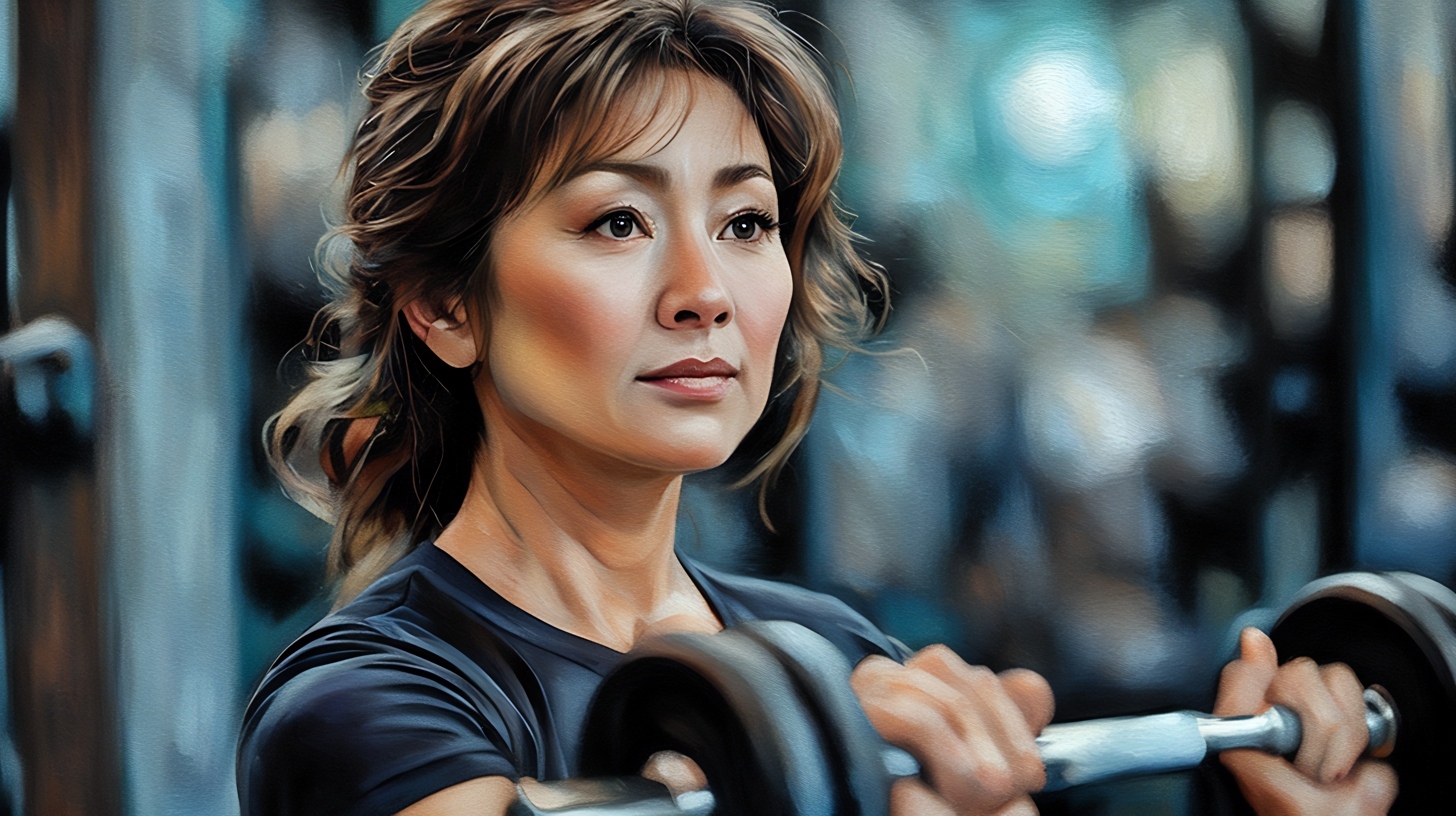
Strength training during pregnancy is one of the most effective ways to support posture, joint stability, and muscular balance. As the body adapts to carrying additional weight, strengthening key muscle groups helps reduce common discomforts such as lower back pain and hip tension. Prenatal strength workouts emphasize controlled movements, proper alignment, and moderate resistance rather than heavy lifting or maximal effort. Exercises that support the legs, glutes, upper back, and arms improve daily function and prepare the body for the physical demands of childbirth and infant care. Maintaining muscle tone during pregnancy also supports recovery after delivery, making strength training a valuable investment in long-term wellness.
Core Strength Reimagined: Stability Over Aesthetics
Core training during pregnancy is less about sculpting and more about stability, breath control, and functional support. As the abdomen expands, traditional core exercises are replaced with movements that strengthen deep stabilizing muscles without increasing pressure on the pelvic floor. Proper core engagement supports posture, protects the spine, and enhances balance as the body changes. Breath-focused exercises that coordinate movement with exhalation help maintain core integrity while promoting relaxation. A strong, responsive core during pregnancy contributes to improved comfort, smoother movement, and greater confidence in everyday activities.
Flexibility, Mobility, and the Art of Gentle Recovery
Mobility and flexibility play a crucial role in prenatal fitness, helping the body adapt to structural changes while reducing stiffness and discomfort. Gentle stretching improves circulation and promotes relaxation, especially in areas prone to tightness such as the hips, lower back, and chest. Mobility-focused movement enhances joint health and supports fluid, efficient motion as pregnancy progresses. Recovery practices such as prenatal yoga, guided stretching, and mindful breathing provide both physical relief and mental calm. These sessions offer space to reconnect with the body, reduce stress, and cultivate a sense of balance during a time of constant change.
Fueling Movement and Growth: Nutrition, Hydration, and Energy
Fitness during pregnancy is deeply connected to nourishment and hydration. The body requires additional nutrients to support both maternal health and fetal development, making food a key component of any fitness routine. Adequate protein supports muscle maintenance, while complex carbohydrates provide steady energy for movement and daily tasks. Hydration becomes increasingly important as blood volume expands and temperature regulation shifts. Listening to hunger cues, honoring cravings thoughtfully, and avoiding restrictive habits help create a supportive environment for both exercise and overall health. When nutrition and movement work together, fitness feels sustainable rather than demanding.
Building Confidence for Birth and Beyond
Staying fit and healthy during pregnancy is ultimately about preparing for the next chapter, not just the present moment. Regular movement builds physical confidence, emotional resilience, and trust in the body’s capabilities. Women who remain active during pregnancy often report feeling more empowered during labor and better equipped for postpartum recovery. Fitness becomes a form of self-care that reinforces strength, adaptability, and self-respect. By embracing movement as a lifelong companion rather than a temporary goal, pregnancy fitness transforms into a foundation for long-term well-being, supporting women as they step into motherhood with confidence, vitality, and strength.