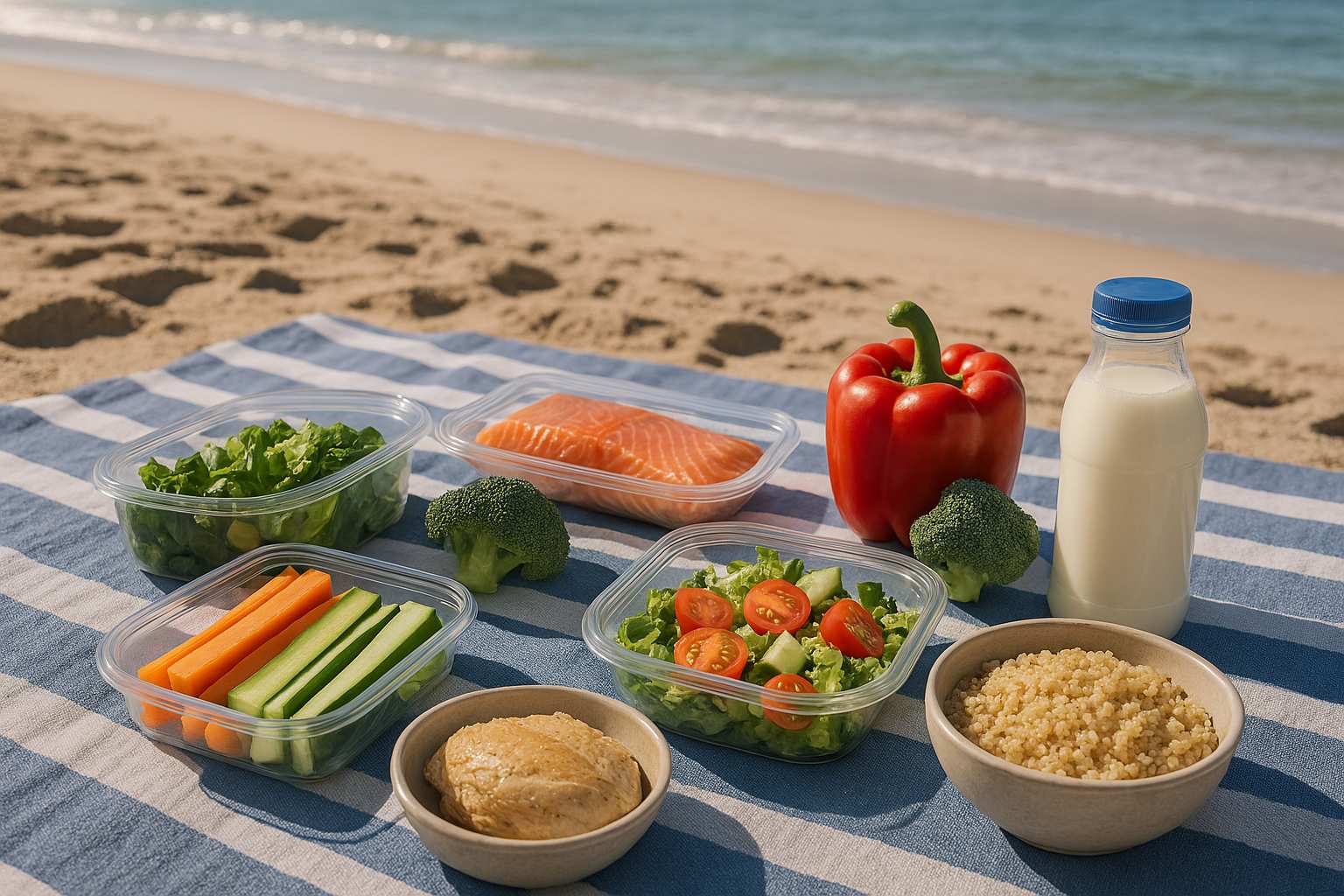
Navigating the South Beach Diet Food List: What You Can Enjoy and What to Avoid
If you’ve decided to try the South Beach Diet, you’re taking an exciting step toward healthier living, better weight management, and increased energy. Dr. Arthur Agatston’s revolutionary diet plan is all about making smarter food choices that work for your body. Rather than focusing on calorie counting or elimination of entire food groups, the South Beach Diet helps you develop a balanced relationship with food.
A key to this success is understanding what foods to include and which to avoid. The South Beach Diet places an emphasis on low-glycemic foods that stabilize blood sugar and keep you feeling full longer, while steering clear of refined carbohydrates and processed sugars that can cause spikes in insulin and lead to weight gain. In this article, we’ll guide you through the food list, offering detailed insights into what you should be eating during each phase of the South Beach Diet and which foods to stay away from.
The Foundations of the South Beach Diet Food List
The South Beach Diet focuses on nutrient-dense foods that help keep you satisfied while promoting steady weight loss. Its premise revolves around eating foods that have a low glycemic index, which means they are slowly digested and absorbed, avoiding sharp spikes in blood sugar levels. This is important because maintaining stable blood sugar not only helps in weight management but also improves overall health, preventing energy crashes and cravings.
This diet encourages foods that are rich in fiber, protein, and healthy fats, as these will help you feel fuller for longer periods and stabilize your blood sugar. At the same time, it discourages foods that are high in refined sugars, unhealthy fats, and processed carbs that offer little nutritional value.
Understanding this balance is key to thriving on the South Beach Diet. The food list is structured in a way that supports your body’s natural ability to burn fat and build lean muscle. By sticking to these foods, you will not only improve your health but also shed excess weight in a sustainable manner.
Phase 1 Food List: The Kickstart to Your Transformation
Phase 1 of the South Beach Diet is all about giving your body a break from refined carbs and sugars. This initial phase lasts for two weeks, and it is crucial for resetting your body’s insulin levels, stabilizing blood sugar, and eliminating cravings. During this phase, you’ll be consuming mostly lean proteins, healthy fats, and non-starchy vegetables.
Foods that are allowed during Phase 1 include a variety of lean meats like chicken, turkey, and fish. These are rich in protein and will help keep you full while also supporting muscle repair and growth. Eggs are also an excellent source of protein, and they are very versatile, whether you prefer them scrambled, poached, or in an omelette.
Healthy fats are an essential part of Phase 1, and you’ll find that foods like avocados, olive oil, and nuts will become your go-to sources for essential fatty acids. These fats help to curb hunger and are heart-healthy, supporting overall well-being.
Non-starchy vegetables are plentiful in this phase, as they are low in carbohydrates and high in fiber. Vegetables like spinach, kale, lettuce, cucumbers, and zucchini will fill you up without contributing to weight gain. The fiber content of these vegetables helps support digestion and provides steady energy throughout the day.
The food list during Phase 1 is restrictive, but the goal is to eliminate cravings for sugary snacks and refined carbs while allowing your body to adjust to a low-glycemic eating style. By the end of this phase, you’ll feel more in control of your food choices and better equipped to move on to the next phase.
Phase 2 Food List: The Road to Steady Weight Loss
Phase 2 of the South Beach Diet is where things get exciting. You’ve already detoxed your body from refined sugars and carbs, and now it’s time to introduce a wider range of healthy foods. In this phase, you’ll begin to add back low-glycemic carbs, such as whole grains, fruits, and legumes, while continuing to focus on lean proteins and healthy fats.
During Phase 2, the food list expands, and you’re now able to incorporate whole grains like quinoa, brown rice, and oats. These foods provide complex carbohydrates and fiber, helping to keep blood sugar levels stable while also providing a longer-lasting source of energy. You can also start to enjoy a variety of fruits, including berries, apples, and grapefruit, which are rich in antioxidants, vitamins, and fiber.
Legumes, such as beans, lentils, and chickpeas, are also reintroduced in Phase 2. These are high in protein and fiber, making them an excellent choice for keeping you full and satisfied while promoting muscle health.
At this stage, the focus is still on maintaining a balanced diet with plenty of nutrient-dense foods, but the introduction of these healthy carbs offers more variety and makes the diet easier to stick to long-term. You will continue to see steady, sustainable weight loss as you build on the progress made in Phase 1.
Phase 3 Food List: Maintenance and Long-Term Success
Phase 3 is where you achieve your goal weight and transition into a long-term, maintainable eating plan. During this phase, you’re encouraged to enjoy a wider variety of foods, but with a continued focus on balance and moderation. The goal is to maintain your healthy weight and lifestyle without feeling restricted.
The food list for Phase 3 includes all of the foods from the previous phases, with a few additional items that can be enjoyed in moderation. You can now indulge in foods such as whole-wheat pasta, starchy vegetables like sweet potatoes and squash, and a wider variety of fruits. However, the key to success in Phase 3 is moderation. You are encouraged to continue enjoying healthy, low-glycemic foods but to avoid overindulging in those that are higher in sugars or processed carbs.
At this stage, you’ve learned how to make smarter food choices and are now able to eat most foods in moderation without the fear of regaining the weight you’ve worked so hard to lose. This phase allows you to find a balance between enjoying your meals and maintaining the healthy habits that led to your success.
Foods to Avoid on the South Beach Diet
While the South Beach Diet encourages the consumption of healthy, nutrient-rich foods, there are still many foods you will need to avoid, especially in the first two phases. These foods are high in refined sugars, unhealthy fats, and simple carbohydrates that can wreak havoc on your blood sugar levels and prevent you from reaching your weight loss goals.
Refined Sugars: Any foods or beverages that contain added sugars, such as sugary snacks, cakes, cookies, candies, and sodas, should be avoided. These can cause insulin spikes, leading to cravings and fat storage.
Refined Carbohydrates: White bread, white rice, and pasta made from refined flour should be eliminated from your diet. These carbs are quickly broken down into sugar, which disrupts your blood sugar levels and can contribute to weight gain.
Processed Foods: Many packaged foods, like chips, cookies, and frozen meals, contain unhealthy fats, added sugars, and artificial ingredients that hinder your progress. These foods offer little nutritional value and should be limited.
Starchy Vegetables: While vegetables are a cornerstone of the South Beach Diet, starchy vegetables like potatoes and corn should be avoided, particularly in the early phases. These vegetables are higher in glycemic index and can cause spikes in blood sugar.
Full-Fat Dairy: While some dairy is allowed, you should avoid full-fat dairy products, which are high in saturated fats. Opt for low-fat or fat-free options like skim milk, yogurt, and cheese.
Creative Snack Ideas for the South Beach Diet
Snacking doesn’t have to be a challenge while following the South Beach Diet. In fact, the diet allows for many delicious and nutritious snacks that won’t derail your progress. Here are a few unique snack ideas that will satisfy your hunger while keeping you on track:
Zucchini Chips: Slice zucchini thinly and bake it with olive oil and your favorite spices for a crunchy, low-glycemic alternative to potato chips.
Greek Yogurt with Berries and Almonds: Combine low-fat Greek yogurt with fresh berries and a sprinkle of slivered almonds for a satisfying snack that’s packed with protein and antioxidants.
Cucumber and Guacamole: Slice cucumbers and dip them in homemade guacamole for a light, satisfying snack that’s both filling and nutrient-dense.
Turkey Lettuce Wraps: Use large lettuce leaves to wrap up lean turkey slices, a slice of avocado, and a sprinkle of mustard for a savory snack that’s low in carbs but high in flavor.
Hard-Boiled Eggs with Veggies: Pair hard-boiled eggs with a variety of fresh veggies like carrot sticks and celery for a protein-packed, low-calorie snack that will keep you full.
Building a Lifestyle: Staying on Track Long-Term
The key to long-term success with the South Beach Diet isn’t just about following the food list—it’s about building healthy habits that you can maintain for life. By focusing on balanced meals, nutrient-dense foods, and portion control, you’ll continue to see the benefits of the South Beach Diet long after you’ve reached your weight loss goals. Remember, the South Beach Diet is not just a quick fix—it’s a lifestyle that supports healthy eating and sustainable weight loss.
As you move through each phase, focus on developing a strong relationship with food that’s based on nutrition, balance, and enjoyment. The South Beach Diet isn’t about deprivation; it’s about finding freedom through healthier choices, giving your body the nutrients it needs to thrive, and embracing a lifestyle that fosters well-being.
Living Your Healthiest Life with the South Beach Diet
The South Beach Diet is more than just a plan for losing weight—it’s a path to improved health, energy, and long-term success. By following the food list, focusing on nutrient-dense choices, and avoiding processed sugars and refined carbs, you can transform your relationship with food and maintain a healthy lifestyle that lasts a lifetime. As you progress through the phases, always remember that it’s not just about the food—it’s about creating lasting habits that help you feel your best, both physically and mentally.