
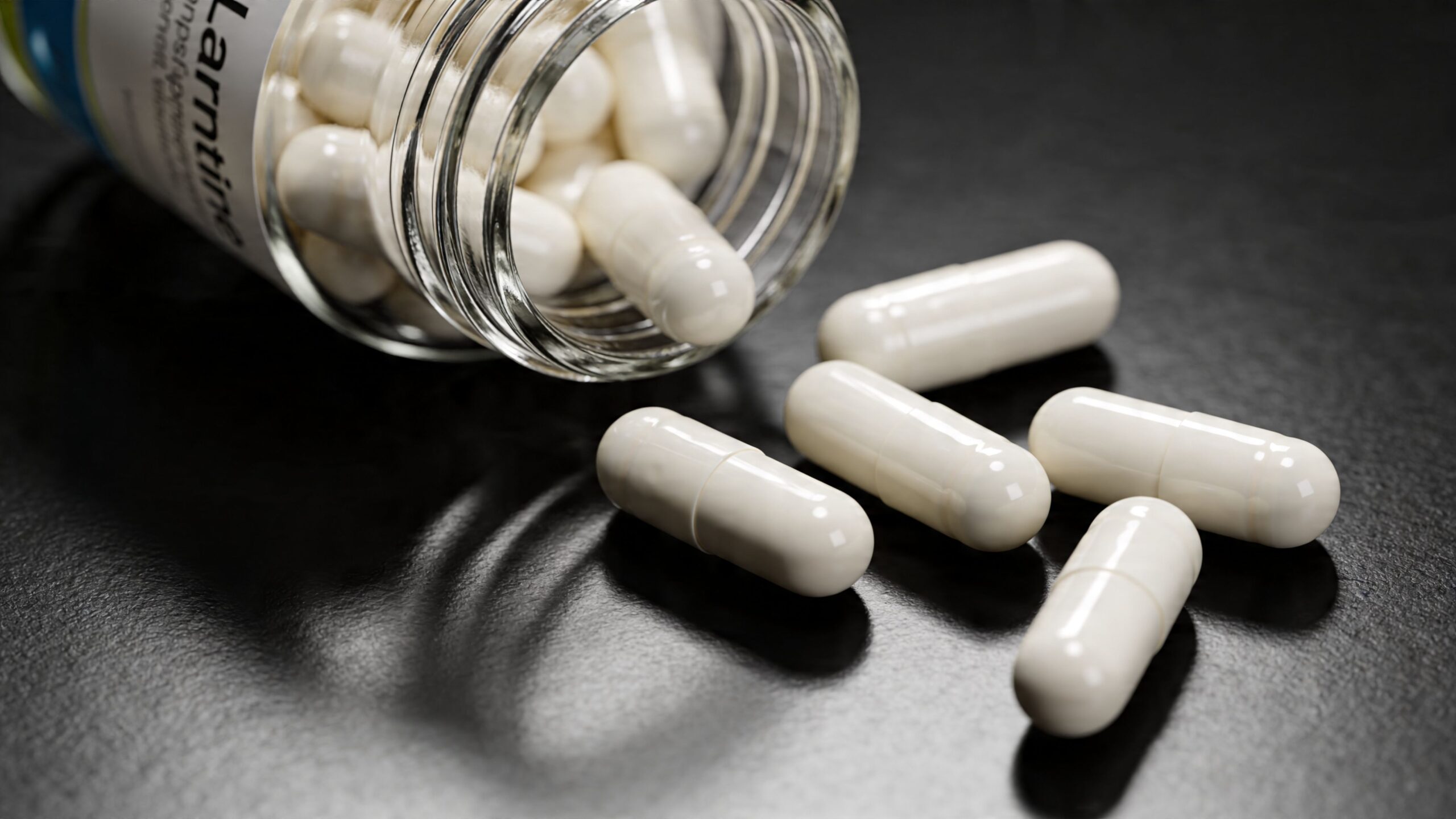
In the crowded world of fat loss strategies, where diets shift and trends rise and fall almost overnight, L-carnitine stands out as a compound rooted in physiology rather than hype. It is not a stimulant, not a quick fix, and not a miracle pill. Instead, L-carnitine plays a direct and essential role in how the body produces energy, particularly from fat. For individuals seeking a deeper understanding of how fat loss actually works at the cellular level, L-carnitine offers a compelling entry point into the mechanics of metabolism. Naturally produced in the body from amino acids and also obtained through diet, L-carnitine functions as a transporter, guiding fatty acids into the part of the cell where they can be burned for fuel. This simple yet powerful role has made it a focal point in discussions about fat-burning, athletic performance, and weight management. While it may not deliver dramatic overnight transformations, its steady and biologically grounded influence makes it highly relevant for those pursuing sustainable results.
What Is L-Carnitine and Why It Matters
L-carnitine is a naturally occurring compound synthesized in the liver and kidneys from the amino acids lysine and methionine. Once produced, it is transported throughout the body and stored primarily in skeletal muscle, where it plays a crucial role in energy production. It is also found in dietary sources, particularly red meat, fish, and dairy products, making it both an endogenous and dietary nutrient.
What makes L-carnitine unique is not just its presence, but its function. It serves as a carrier molecule, responsible for transporting long-chain fatty acids into the mitochondria, often referred to as the powerhouses of the cell. Without L-carnitine, these fatty acids would remain outside the mitochondria, unable to be used as fuel. This means that even if the body has stored fat available, it cannot efficiently convert that fat into usable energy without adequate levels of L-carnitine.
Because of this, L-carnitine is directly tied to the body’s ability to burn fat, especially during periods of increased energy demand such as exercise. Its importance extends beyond fat loss, influencing endurance, recovery, and overall metabolic efficiency.
Inside the Cell: How L-Carnitine Drives Fat Metabolism
To fully understand the role of L-carnitine in fat-burning, it is necessary to look inside the cell at the process of energy production. When the body needs energy, it can draw from carbohydrates, fats, or proteins. Fat, however, is the most energy-dense source, and the body relies heavily on it during prolonged, lower-intensity activities.
Before fat can be used as fuel, it must undergo a process that begins with its release from fat cells and ends with its oxidation inside the mitochondria. This is where L-carnitine becomes essential. It binds to long-chain fatty acids and facilitates their transport across the mitochondrial membrane, a step that would otherwise be blocked.
Once inside the mitochondria, these fatty acids undergo beta-oxidation, a series of reactions that break them down into smaller units that can be used to produce ATP, the body’s primary energy currency. The more efficiently this process occurs, the more effectively the body can rely on fat as a fuel source.
By enhancing the transport of fatty acids, L-carnitine supports a more efficient fat-burning process. This does not mean it automatically causes fat loss, but it creates the conditions necessary for fat to be used as energy when the body is in a calorie deficit or engaged in physical activity.
Energy, Endurance, and the Fat-Burning Advantage
One of the most practical benefits of L-carnitine is its impact on energy levels and endurance. Because it supports the use of fat as fuel, it can help preserve glycogen stores, which are limited and typically used during high-intensity activity. By relying more on fat, the body can extend its energy supply and delay fatigue.
This has important implications for both athletes and individuals trying to lose weight. Longer, more efficient workouts mean more calories burned and greater reliance on fat as a fuel source. Over time, this can contribute to improved body composition and enhanced physical performance.
Additionally, L-carnitine may reduce the accumulation of metabolic byproducts that contribute to fatigue. Some research suggests it can help decrease muscle soreness and improve recovery after exercise, allowing individuals to train more consistently. Consistency, more than any single factor, is often the key to successful fat loss.
While the effects may not be dramatic in isolation, they can compound over time, particularly when combined with structured training and proper nutrition.
L-Carnitine and Weight Loss: What the Research Suggests
The scientific evidence surrounding L-carnitine and weight loss is nuanced. Some studies show modest reductions in body weight and fat mass, particularly in individuals who are overweight or older. Others suggest that the benefits are more pronounced when L-carnitine is combined with exercise rather than used alone.
One of the key takeaways from the research is that L-carnitine is not a fat-burning shortcut. It does not override the fundamental principle of energy balance. Instead, it enhances the body’s ability to utilize fat when the conditions for fat loss are already in place.
For example, in a calorie deficit, the body must rely on stored energy to meet its needs. L-carnitine can support this process by making it easier for fatty acids to be transported and oxidized. Similarly, during endurance exercise, it can help shift the body’s fuel preference toward fat, increasing the efficiency of fat-burning over time.
The variability in results across studies highlights the importance of context. Factors such as diet, activity level, baseline L-carnitine levels, and overall metabolic health all influence how effective supplementation may be.
Beyond Fat Loss: Metabolic Health and Performance Benefits
While fat loss often takes center stage, L-carnitine offers benefits that extend beyond weight management. Its role in energy metabolism means it can influence overall metabolic health, including how the body processes fats and carbohydrates.
Some research suggests that L-carnitine may improve insulin sensitivity, helping the body manage blood sugar levels more effectively. This can reduce the likelihood of excess energy being stored as fat and support a more stable metabolic environment.
There is also evidence that L-carnitine may support cardiovascular health by improving lipid profiles and reducing markers of oxidative stress. These effects are particularly relevant for individuals who are overweight or at risk for metabolic disorders.
In terms of performance, L-carnitine has been studied for its potential to increase oxygen utilization and reduce muscle damage during exercise. While results vary, some individuals report improved endurance and reduced fatigue, particularly during longer training sessions.
These broader benefits reinforce the idea that L-carnitine is not just a fat-loss supplement, but a compound that supports overall metabolic function.
Natural Sources, Supplementation, and Practical Use
L-carnitine is found naturally in a variety of foods, with the highest concentrations in red meat such as beef and lamb. Fish, poultry, and dairy products also contain smaller amounts. For individuals with a balanced diet that includes these foods, L-carnitine intake is typically sufficient for basic physiological needs.
However, supplementation may be beneficial in certain cases, particularly for individuals with higher energy demands, limited dietary intake, or specific fitness goals. L-carnitine supplements are available in several forms, including L-carnitine tartrate, acetyl-L-carnitine, and propionyl-L-carnitine, each with slightly different properties.
Dosages used in research often range from 1,000 to 3,000 milligrams per day. Timing can also play a role, with some evidence suggesting that taking L-carnitine alongside carbohydrates may enhance its uptake into muscle tissue.
It is important to approach supplementation with realistic expectations. L-carnitine is most effective when used as part of a comprehensive strategy that includes a calorie-controlled diet and regular exercise. On its own, it is unlikely to produce significant changes.
Safety, Considerations, and Realistic Expectations
L-carnitine is generally considered safe for most individuals when taken within recommended dosages. Side effects are typically mild and may include digestive discomfort or a fishy body odor in some cases. As with any supplement, quality and dosage matter, and it is advisable to choose reputable products.
There has been some discussion about the potential link between L-carnitine metabolism and certain compounds associated with cardiovascular risk. However, the evidence is still evolving, and the overall risk appears to be low for healthy individuals consuming moderate amounts.
As with any fat-loss tool, expectations should remain grounded in reality. L-carnitine does not replace the need for a calorie deficit, nor does it eliminate the importance of exercise. Its role is supportive, helping to optimize the processes that drive fat-burning and energy production.
The Bigger Picture: Integrating L-Carnitine Into a Sustainable Strategy
Fat loss is rarely the result of a single factor. It is the outcome of consistent habits, balanced nutrition, and an understanding of how the body uses energy. L-carnitine fits into this picture as a facilitator, not a driver. It helps the body do what it is already designed to do, but more efficiently. For individuals committed to improving their health and body composition, L-carnitine can serve as a valuable addition to an already solid foundation. It aligns with the body’s natural processes, supports endurance and recovery, and enhances the ability to utilize fat as fuel. In a landscape filled with exaggerated claims and short-term solutions, L-carnitine offers something different. It provides a scientifically grounded approach to fat-burning that prioritizes sustainability over speed. When combined with smart training, thoughtful nutrition, and consistency over time, it can contribute to meaningful and lasting results. The journey toward fat loss is not about finding a single answer, but about building a system that works. L-carnitine, when used wisely, can be an important part of that system, helping to bridge the gap between effort and outcome in a way that is both practical and effective.


