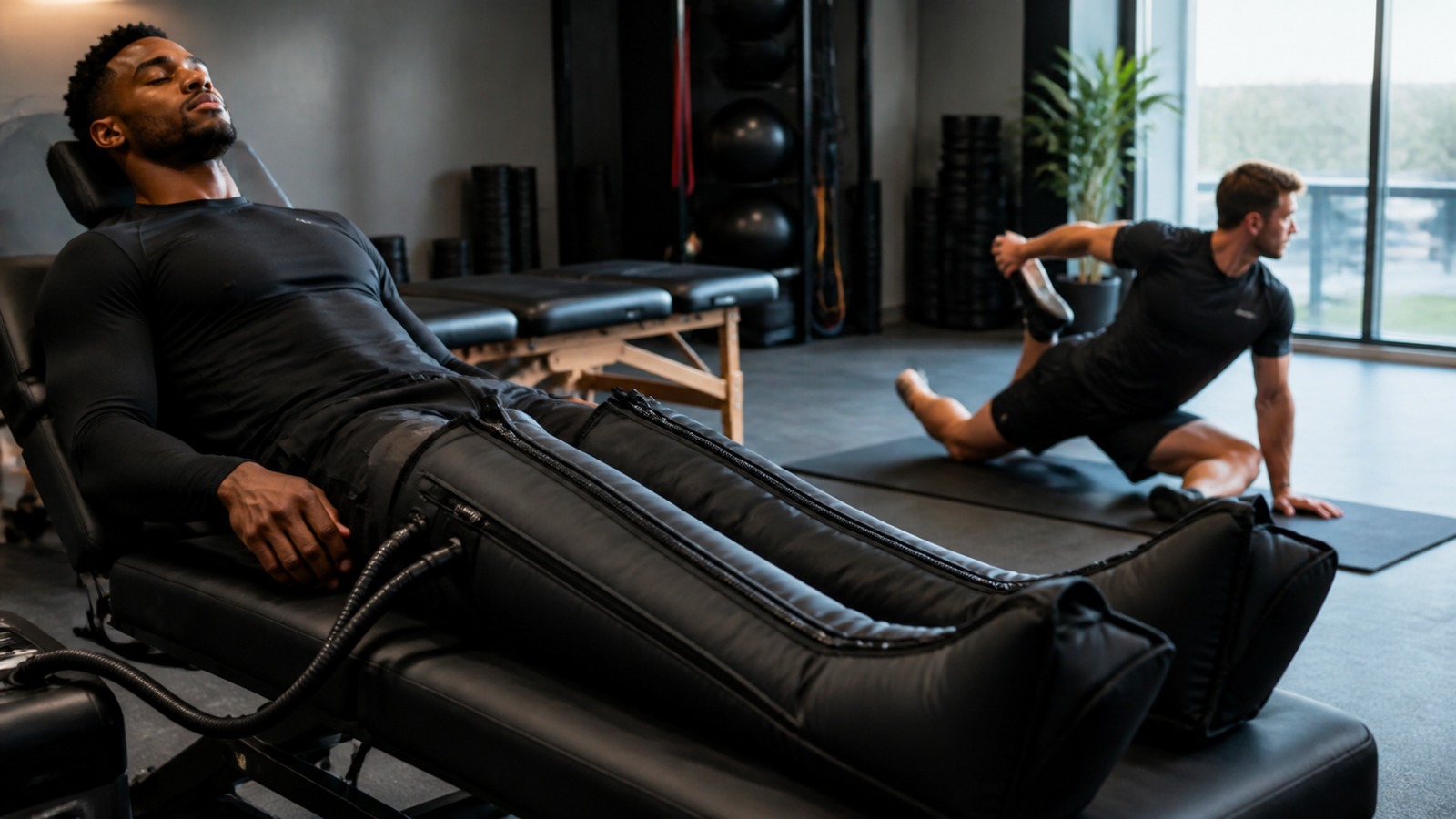
Revitalizing Your Training: Recovery Workouts for Runners and Lifters
In the world of fitness, the importance of recovery is often underestimated. Whether you’re a runner striving to beat your personal best or a lifter pushing yourself to new strength levels, the recovery process plays a critical role in your progress. Active recovery, in particular, is one of the most effective ways to speed up muscle repair, reduce soreness, and ensure that your body is primed and ready for the next round of intense training.
For both runners and lifters, active recovery workouts offer a range of benefits that not only improve muscle recovery but also keep you moving while avoiding stagnation. But what does active recovery look like for each group? And how can you tailor it to your individual needs and goals? This article explores the best active recovery workouts specifically for runners and lifters, offering strategies to enhance performance, minimize injury, and maximize progress in your training.
What Is Active Recovery and Why Does It Matter?
Active recovery involves engaging in low-intensity exercises that promote blood flow, reduce muscle stiffness, and accelerate the healing process after a strenuous workout. Unlike complete rest, where you might sit still and refrain from physical activity, active recovery keeps your muscles moving without causing additional strain. This practice is essential for runners and lifters alike because it helps maintain circulation, clears metabolic waste, and prevents muscles from becoming too tight, which can hinder your performance and increase the risk of injury.
The benefits of active recovery include:
Faster muscle repair: Gentle movements increase blood flow to damaged tissues, bringing fresh nutrients and oxygen to speed up the recovery process.
Reduced soreness: Active recovery helps reduce the lactic acid buildup that contributes to muscle soreness after intense workouts.
Injury prevention: Keeping muscles flexible and mobile with low-intensity exercise reduces the risk of overuse injuries and strains.
Mental rejuvenation: Active recovery provides a break from intense training while still allowing you to stay active, which helps reduce mental fatigue and stress.
Active Recovery Workouts for Runners
Runners often put their bodies under considerable stress with long-distance runs or speed intervals. As a result, the muscles in the legs, hips, and lower back experience significant strain and microtears. Incorporating active recovery workouts is crucial for runners to maintain flexibility, ease muscle soreness, and prepare for the next run.
Light Jogging or Brisk Walking
After a hard run, one of the best ways to promote recovery is through light jogging or brisk walking.
A light jog or brisk walk helps keep the muscles engaged without overloading them, while also allowing your heart rate to gradually return to normal.
Increased blood flow during this activity accelerates the removal of metabolic waste, such as lactic acid, and brings fresh oxygen to the muscles, aiding in the repair process.
Walking, in particular, can be especially useful for runners who have completed a long-distance run. The low-intensity movement allows the muscles to release tension, stretch out tight spots, and promote overall mobility.
Swimming or Water Running
Swimming and water-based exercises offer a fantastic way for runners to engage in active recovery.
The buoyancy of water supports the body and reduces strain on the joints, making it an ideal recovery option after a long run or an intense training session.
Swimming at a relaxed pace or engaging in water running allows you to work the muscles in a low-impact environment, improving circulation, muscle flexibility, and joint mobility without stressing the body.
Water running, in particular, mimics the mechanics of running while eliminating the impact on the legs. The resistance of water also provides a gentle workout for the lower body, helping to strengthen muscles while aiding recovery.
Yoga for Runners
Yoga is one of the most effective active recovery exercises for runners because it combines stretching, mobility, and relaxation.
Many runners suffer from tight hamstrings, calves, and hip flexors, and yoga can help alleviate these issues.
Specific yoga poses target these problem areas while also improving overall flexibility and muscle length.
Poses like Downward Dog, Pigeon Pose, and Forward Fold stretch out the hamstrings, lower back, and hips, promoting mobility and flexibility.
Practicing yoga also helps runners improve posture and balance, both of which are crucial for maintaining efficiency and reducing the risk of injury during runs.
A gentle yoga session of 30–60 minutes can be a perfect way to stretch out and relieve muscle tension. Consider incorporating yoga into your routine once a week or after particularly intense runs to aid in flexibility and muscle repair.
Foam Rolling and Myofascial Release
Foam rolling is another highly effective recovery tool for runners.
It helps release tightness and muscle knots that can accumulate after long runs or sprints.
Using a foam roller on areas like the calves, quads, hamstrings, and IT band helps break up adhesions in the muscles and fascia, improving blood flow and reducing stiffness.
Foam rolling also promotes myofascial release, a technique that targets the connective tissue surrounding muscles.
Regular foam rolling after runs helps improve muscle elasticity, reduce soreness, and maintain flexibility. Spend 10–20 minutes rolling over the major muscle groups, focusing on any particularly tight spots.
Active Recovery Workouts for Lifters
For lifters, recovery is just as important as the lifting itself. Intense weightlifting causes muscle fibers to break down, and proper recovery allows these fibers to repair and grow stronger. Incorporating active recovery workouts into a lifting routine helps maintain muscle flexibility, alleviate soreness, and promote faster recovery between lifting sessions.
Light Cardio (Cycling, Walking, or Rowing)
Light cardio is an excellent way for lifters to engage in active recovery.
Activities such as light cycling, walking, or rowing at a moderate pace provide a low-impact workout that helps keep the blood flowing to the muscles, improving circulation and promoting recovery.
These exercises help maintain cardiovascular fitness while allowing muscles to recover from the strain of heavy lifting without additional stress.
A 20-30 minute light cardio session is ideal after lifting, as it helps clear metabolic waste like lactic acid and replenishes oxygen and nutrients to the muscles.
Swimming
Swimming is a low-impact exercise that can be a great addition to a lifter’s recovery routine.
Like water-based exercises for runners, swimming engages multiple muscle groups while minimizing the risk of joint stress.
The resistance of water provides a gentle workout for the muscles, helping improve circulation and flexibility without the stress of traditional lifting exercises.
Swimming can target the upper and lower body muscles simultaneously, making it a great full-body recovery workout after a lifting session.
The buoyancy of water also helps reduce strain on the joints, making it an excellent option for lifters recovering from heavy lifts or those with joint issues.
Yoga for Lifters
Yoga is just as beneficial for lifters as it is for runners, offering both physical and mental recovery.
After intense lifting sessions, the muscles can become tight, especially in the shoulders, back, and hips. Yoga helps alleviate tightness, increase flexibility, and improve mobility.
Specific poses like Cobra, Child’s Pose, and the Seated Forward Fold can stretch the back, chest, and legs, easing tension and increasing joint flexibility.
Incorporating yoga into your routine once or twice a week can help improve posture, prevent stiffness, and enhance mobility, all of which contribute to better lifting form and performance in future sessions.
Foam Rolling and Myofascial Release
Foam rolling is essential for lifters to help relieve tightness and muscle knots that can form after heavy lifting.
It’s particularly effective for areas that are under constant strain, such as the quads, hamstrings, and lower back.
Foam rolling helps break up adhesions in muscle tissue, improves blood flow, and speeds up the recovery process by reducing muscle stiffness.
Spend 10–20 minutes rolling over tight spots, using a moderate amount of pressure to relieve muscle knots and improve flexibility. This can be especially helpful before or after intense lifting sessions.
The Importance of Cold Therapy in Active Recovery
For both runners and lifters, incorporating cold therapy can accelerate recovery by reducing inflammation and alleviating soreness. Ice baths, cold plunges, and cold compresses have been used for decades to speed up muscle recovery, reduce swelling, and decrease muscle fatigue.
Ice Baths and Cold Plunges
After intense workouts or competitions, cold exposure can help reduce the swelling and inflammation in the muscles.
Ice baths or cold plunges work by constricting the blood vessels and reducing blood flow to the muscles, which helps minimize muscle damage and inflammation.
Once you exit the cold water, blood flow returns to normal, and the muscles are flooded with fresh nutrients and oxygen, aiding in faster recovery.
These cold therapy techniques are particularly useful after high-intensity training, as they help minimize muscle soreness and promote quicker healing.
A Holistic Approach to Recovery
To get the most out of active recovery, it’s essential to combine various techniques for optimal results. Whether you’re a runner looking to improve your endurance or a lifter working on strength, your recovery plan should be holistic and flexible. Active recovery workouts, along with proper nutrition, hydration, and rest, form the foundation for long-term fitness success.
Nutrition and Hydration
After any workout, fueling your body with the right nutrients is essential. Protein aids muscle repair, while carbohydrates help replenish glycogen stores.
Staying hydrated ensures that your muscles are receiving the nutrients they need for optimal recovery.
Rest and Sleep
Adequate rest and sleep are crucial for muscle repair. Ensuring that you get enough sleep each night allows the body to repair and rebuild muscle tissue, leading to better performance in your next workout.
Recharge and Recover: The Path to Performance
Active recovery is more than just a method for reducing soreness; it’s an essential strategy for improving overall performance. By incorporating active recovery techniques into your routine, you can ensure that your muscles heal faster, stay flexible, and remain injury-free. Whether you’re a runner or a lifter, active recovery helps you recover faster and get back to pushing your limits.
By combining light cardio, swimming, yoga, foam rolling, and cold therapy, you can optimize muscle recovery and performance. Embrace the power of active recovery, and you’ll be ready to tackle your next workout with greater strength, endurance, and flexibility.