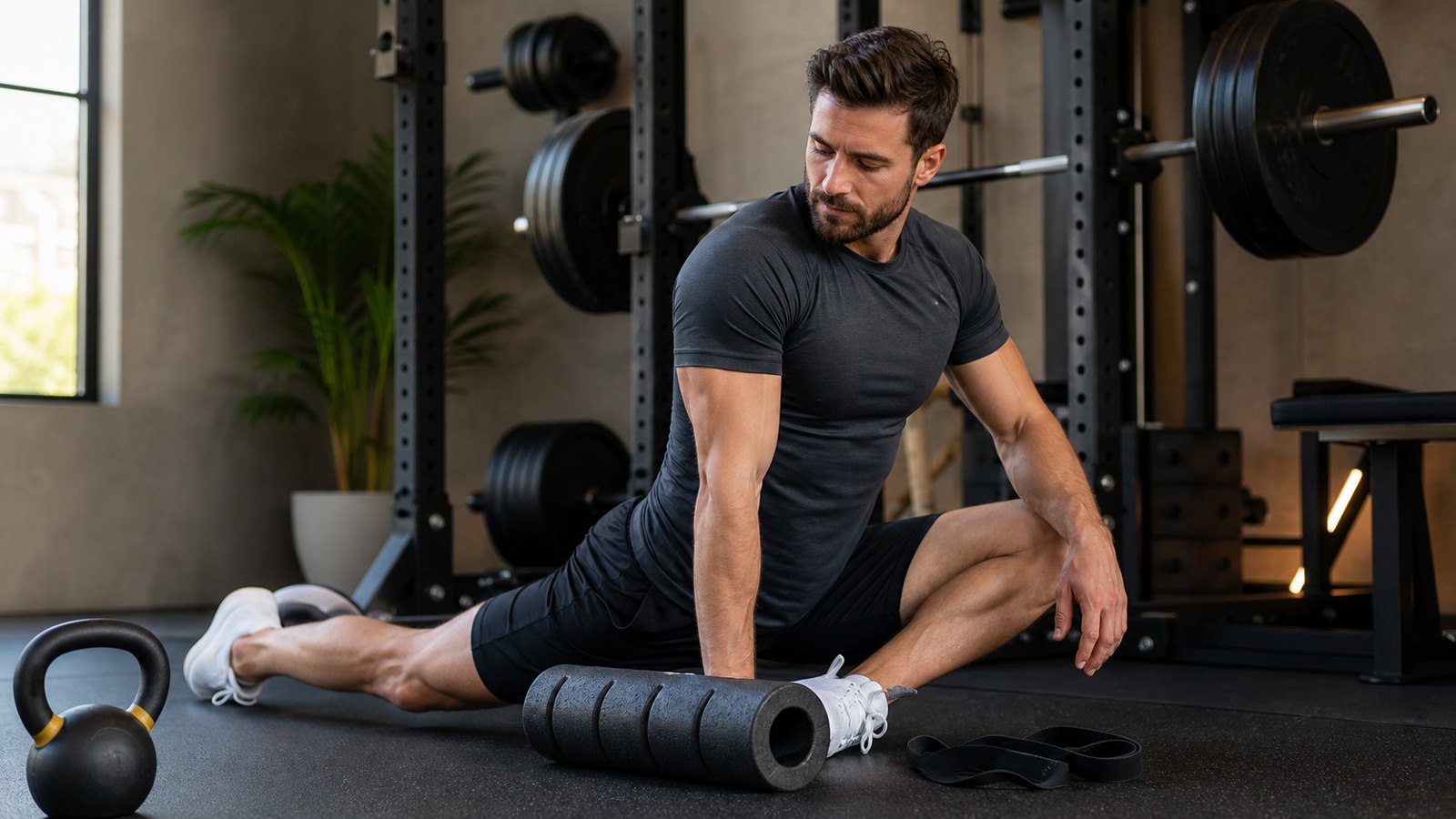
In the world of training and fitness, recovery has evolved from an afterthought into a performance strategy. Among the many recovery tools available, yoga has quietly earned a reputation as one of the most effective ways to restore the body without compromising strength or conditioning. Unlike complete rest, yoga keeps the body moving gently, encouraging circulation, mobility, and nervous system balance. Unlike intense workouts, it avoids fatigue and muscle breakdown. This balance makes yoga uniquely suited for active recovery, especially for athletes and fitness enthusiasts who want to stay loose, pain-free, and ready for their next session.
How Yoga Supports Muscle Relief and Faster Recovery
Muscle soreness and stiffness are natural responses to physical stress, especially after resistance training, running, or high-intensity workouts. Yoga helps relieve these sensations through gentle, sustained stretching combined with deep breathing. When muscles are held in relaxed positions for longer durations, the nervous system receives signals that it is safe to release tension. This allows tight areas to soften without the aggressive pulling that can sometimes irritate sore tissue.
Breath plays a central role in this process. Slow, steady breathing increases oxygen delivery and helps shift the body into a parasympathetic state, often described as rest and recovery mode. This shift reduces cortisol levels and supports tissue repair. Over time, yoga practitioners often notice reduced post-workout soreness, improved flexibility, and fewer lingering aches. Rather than masking discomfort, yoga addresses the underlying tension and imbalance that contribute to delayed recovery.
Gentle Flow Versus Static Poses for Active Recovery
Not all yoga styles are equally effective for recovery. For active recovery purposes, the focus should remain on gentle flows and relaxed static poses rather than fast-paced or strength-oriented sequences. Gentle flow sessions encourage smooth transitions between poses, keeping blood moving through the muscles without creating fatigue. These flows are especially helpful the day after intense training, when stiffness is present but energy levels are low.
Static poses, held comfortably for extended periods, offer a different kind of benefit. They allow specific muscle groups to relax fully while the breath does the work of easing tension. These poses are particularly effective in the hips, hamstrings, shoulders, and lower back, areas that commonly tighten after training. Both approaches can coexist within a recovery-focused yoga session, creating a rhythm that feels restorative rather than demanding.
Foundational Yoga Poses That Release Full-Body Tension
Some yoga poses are especially valuable for relieving widespread muscle tightness and restoring balance after workouts. Poses that gently lengthen the posterior chain, including the calves, hamstrings, glutes, and back, are essential for athletes who rely on powerful hip extension. Forward-folding movements performed with relaxed knees help decompress the spine and release tension without overstretching.
Hip-opening poses are equally important, as tight hips often contribute to lower back discomfort and reduced movement efficiency. Controlled, supported positions that allow the hips to relax gradually can dramatically improve comfort and range of motion. Upper-body poses that open the chest and shoulders counteract the rounded posture many athletes develop from lifting and daily life. When combined in a calm sequence, these poses create a full-body reset that prepares the body for future training.
Yoga for Lower Body Recovery After Intense Training
Lower body workouts place significant stress on large muscle groups and joints. Squats, lunges, deadlifts, and running all demand strength and stability from the hips, knees, and ankles. Yoga helps these areas recover by restoring mobility and encouraging balanced muscle activation. Gentle stretches for the quadriceps and hip flexors are particularly important, as these muscles often tighten after training and can pull the pelvis into uncomfortable positions.
Calf and ankle mobility also benefit from yoga-based movements, which promote smooth joint function and reduce the feeling of heaviness in the legs. By approaching lower body recovery through controlled movement rather than forceful stretching, yoga allows muscles to regain length without compromising their ability to produce power. Over time, this leads to better mechanics and reduced risk of overuse injuries.
Upper Body and Spine Relief Through Recovery-Focused Yoga
The upper body and spine often carry hidden tension, especially in athletes who lift weights or spend long hours sitting. Yoga provides a structured way to release this tension while reinforcing healthy movement patterns. Gentle spinal movements help restore natural curves and reduce compression caused by heavy loading. These movements can ease stiffness in the lower back and improve overall posture.
Shoulder and neck relief is another major benefit. Recovery-focused poses that emphasize slow, controlled arm movements and chest opening help counteract tightness from pressing and pulling exercises. When combined with relaxed breathing, these poses encourage the shoulders to settle into a more natural position, reducing strain and improving comfort during subsequent workouts.
Creating a Yoga Routine That Fits Seamlessly Into Recovery Days
One of yoga’s greatest strengths is its adaptability. Recovery sessions do not need to be long or complex to be effective. Even a short session can provide noticeable relief if it is approached with intention. The goal is not to achieve extreme flexibility or master advanced poses, but to feel better at the end of the session than at the beginning.
Yoga can be used on rest days, after light cardio, or as a standalone recovery session in the evening. Some athletes prefer morning sessions to loosen up before the day begins, while others use yoga at night to unwind and prepare for sleep. Consistency matters more than duration. Regular, low-intensity sessions often deliver greater recovery benefits than occasional long practices.
Long-Term Benefits of Using Yoga as an Active Recovery Tool
Over time, yoga does more than relieve sore muscles. It improves body awareness, teaching athletes to recognize early signs of tension and imbalance. This awareness allows for smarter training decisions and more effective recovery strategies. Athletes who incorporate yoga regularly often report smoother movement, better breathing during workouts, and a greater sense of control under physical stress. Yoga also supports mental recovery. Training places not only physical demands on the body, but also psychological ones. Recovery-focused yoga provides space to slow down, reset focus, and reconnect with the body. This mental reset can improve motivation and reduce burnout, making it easier to stay consistent with training goals. In the long run, yoga for active recovery becomes less about flexibility and more about sustainability. It helps athletes train hard without feeling constantly worn down. By integrating yoga into a recovery routine, muscle relief becomes more reliable, movement feels more fluid, and the body stays resilient through both intense training phases and long-term athletic development.