The Spirit, Not the Stereotype
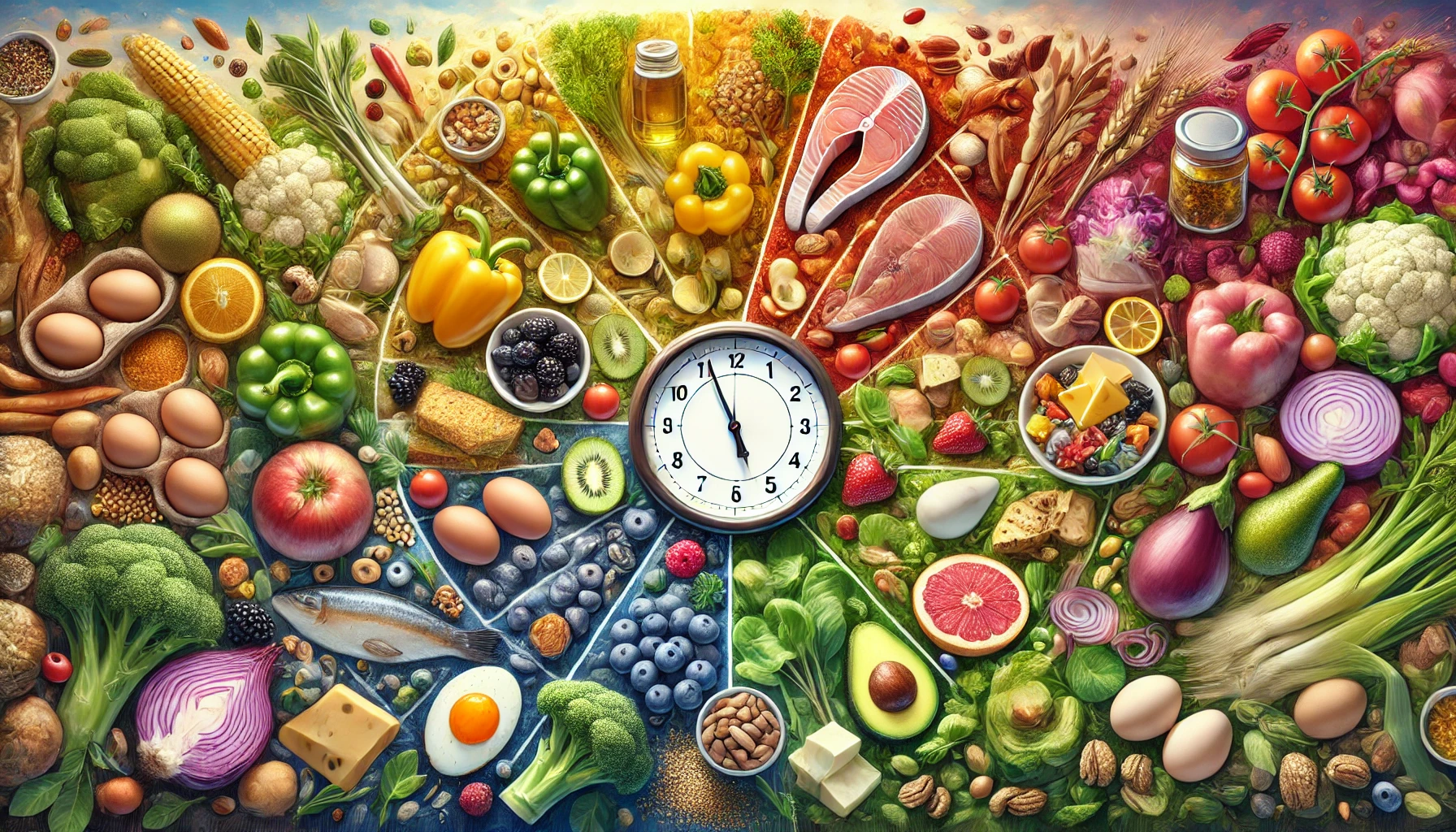
The Mediterranean diet isn’t a plate of endless pasta under a tidal wave of olive oil. It’s a pattern born from coastal villages where markets overflow with produce, lunches linger over conversation, and simple food is cooked with care. The spirit is plant-forward, minimally processed, and anchored in balance. One of the biggest mistakes is chasing a stereotype—assuming pizza with extra cheese or a bottomless bowl of noodles equals “Mediterranean.” The truth is quieter and far more powerful: vegetables and legumes take center stage; fish and whole grains support the melody; dairy and meat play smaller, flavorful roles. When you keep the spirit in view—freshness, seasonality, simplicity—you avoid turning a vibrant tradition into a caricature and set yourself up for sustainable, delicious progress.
Plant-Forward, Not Pasta-Forward
Another common detour is letting refined grains crowd out produce. The classic plate in long-lived Mediterranean regions is built like an edible garden: tomatoes and cucumbers, bitter greens, peppers, onions, eggplant, zucchini, and leafy herbs all jostle for space. Whole grains show up, but they support rather than dominate. If your meals lean heavily on white pasta, white rice, or white bread, pivot toward volume from vegetables and legumes. Swap half the pasta for ribbons of sautéed zucchini, fold chickpeas into salads, or roast trays of vegetables on repeat. Your energy steadies, your fiber intake climbs, and your meals become naturally satisfying without the sense you’re “dieting.” Longevity hides in those extra handfuls of plants, not in bigger servings of starch.
Olive Oil: Drizzle, Don’t Drown
Yes, extra-virgin olive oil is a star, but more isn’t always better. In traditional kitchens it’s used thoughtfully—to coax flavor from onions, gloss roasted peppers, or finish a dish with fruity complexity. When every pan is a shallow fryer and every salad is swimming, calories climb quickly without improving taste. Respect olive oil the way you would a fine spice: enough to carry flavor and replace less healthy fats, not to flood the plate. Learn to finish with a measured swirl, brighten with lemon, or bloom spices in a teaspoon of oil for aroma that punches above its weight. You’ll keep the benefits of monounsaturated fats and polyphenols while honoring the principle of balance that makes this pattern so livable.
Whole Foods Beat “Mediterranean-Style” Marketing
A surprising trap is the supermarket aisle labeled “Mediterranean.” Packaged sauces with sugar, “Greek” yogurt packed with candy mix-ins, shelf-stable dips with long ingredient lists, and herb-flavored chips wearing olive branches like a costume can nudge you off course. The original diet wasn’t born from barcodes; it grew out of kitchens working with raw ingredients. Read labels, but better yet, lean on whole foods. Make hummus from chickpeas, tahini, lemon, and garlic in five minutes; choose plain yogurt and add fruit; roast a sheet pan of vegetables and finish with olives. When in doubt, think of your great-grandparents: would they recognize this as food? If yes, it probably fits. If not, it’s likely marketing wrapped in herbs.
The Forgotten Power of Legumes
Beans are the backbone of Mediterranean frugality and satiety, yet many modern plates skimp on them. Lentil soups, chickpea stews, bean-and-herb salads—these dishes deliver protein, fiber, minerals, and slow-digesting carbohydrates that keep hunger quiet and blood sugar steady. If beans feel like an afterthought, make them a ritual. Batch-cook a pot on Sunday; tuck them into lunch salads; mash them with olive oil and rosemary for a speedy spread; simmer them with tomatoes, onions, and a bay leaf and finish with a squeeze of lemon. Your grocery bill drops, your microbiome throws a party, and your weeknight dinners suddenly feel effortless. Neglecting legumes is like skipping the chorus of your favorite song—you miss the part that makes everything memorable.
Seafood Beyond Salmon: Small Fish, Big Wins
Seafood in the Mediterranean pattern isn’t just salmon filets—it’s also sardines, anchovies, mackerel, and trout, rich in omega-3s and minerals. A common mistake is relying on the same fish every time or avoiding fish altogether. Embrace variety and convenience: canned sardines in olive oil over a citrusy salad, anchovies melted into a tomato sauce, tuna folded with beans, herbs, and a splash of vinegar. Seek sustainably sourced options and rotate species to support both health and oceans. Small, oily fish often cost less, store easily, and deliver robust flavor. When fish shows up regularly—say once or twice a week—heart and brain health ride the tide alongside your taste buds.
Cheese Is a Garnish, Not a Food Group
A chunk of feta or a shaving of aged pecorino can make a dish sing, but letting cheese become a daily main event undermines the balance. Traditional use looks like crumbles over a tomato salad or a thin slice beside fruit, not a molten blanket across every meal. If cheese has quietly expanded its territory, scale back to a supporting role and revel in contrast—salty cheese, bright lemon, peppery greens, juicy tomatoes. Processed meats deserve equal caution. A few paper-thin slices of prosciutto on special occasions is not the same as daily deli meat. Treat these foods like punctuation marks: well-placed for emphasis, but never the paragraph itself.
Grains with Grit: Choose the Chew
Refined grains slip down easily, but they don’t carry the minerals, fiber, and flavor of their whole counterparts. Another common mistake is mistaking “brown-looking” bread for whole grain when it’s simply caramel-colored. Seek breads with whole grain flours, seeds, and naturally leavened methods; choose intact grains—farro, barley, bulgur, brown rice, or oats—that offer pleasing chew and keep you full longer. Cook them in batches and refrigerate; they reheat beautifully and anchor bowls topped with vegetables, beans, herbs, and a drizzle of oil. The more texture and character in your grains, the more they earn a place on your plate without crowding out the produce.
Season Boldly: Herbs, Citrus, and Salt Sense
If your food tastes flat without a heavy hand of salt, your toolkit needs expanding. Mediterranean kitchens perfume the air with rosemary, thyme, oregano, mint, basil, garlic, and onions. They rely on acidity—lemon juice, wine vinegar, tomatoes—to make flavors pop, and on toasting spices to unlock aroma. A mistake is forgetting this orchestra and leaning only on salt or bottled dressings. Build flavor in layers: sauté onions until sweet, lace in garlic, bloom spices in a teaspoon of oil, finish with lemon zest and herbs. Suddenly vegetables are irresistible, beans feel luxurious, and salt can step back without sacrificing satisfaction.
Wine Wisdom (And When to Skip It)
Wine, when it appears in traditional patterns, shows up with meals, in modest amounts, and within cultures that treat it as a complement, not a coping mechanism. A modern mistake is using “Mediterranean” as a free pass for nightly indulgence or drinking without food. If you don’t drink, there is no health reason to start. If you choose to, keep it moderate, tie it to meals, and consider your personal risk factors. People who are pregnant, have a history of alcohol use disorder, take certain medications, or have specific health conditions should avoid alcohol altogether. Sparkling water with citrus, herbal infusions, or a small glass of grape juice diluted with fizzy water can mimic the ritual without the alcohol. The point is not the beverage—it’s the unhurried meal and connection around it.
Lifestyle Is Half the Diet
You can eat like a postcard and still miss the plot if your days are welded to a chair and your nights to a glowing screen. The Mediterranean approach bundles food with movement, rest, and social connection. A common mistake is divorcing the plate from the pace of life. Walk daily: to the store, with a friend, after dinner. Sleep on a consistent schedule. Share meals when you can, even if the table is humble. Sunlight in the morning, a short stroll in the evening, and a phone-free lunch can do as much for your health as the perfect olive oil. Longevity loves routine; build yours gently and it will carry you.
Simplicity Beats Perfection: Cook Once, Eat Many
Overcomplicating the menu is a fast track to burnout. The healthiest households often repeat simple, adaptable meals: a pot of lentils, a tray of roasted vegetables, a big salad with beans and herbs, fish with tomatoes and olives, yogurt with fruit and nuts. The mistake is chasing novelty every night and then defaulting to takeout. Batch-cook on autopilot. Keep a running rotation. Make sauces that work everywhere—lemon-tahini, garlicky yogurt, olive oil with grated tomato—and spoon them over whatever you have. When dinner is a decision you already made on Sunday, your week tastes like ease.
Portion Clarity: Satiety Without Stress
Mediterranean eating encourages satisfaction, not scarcity. Still, portions matter. A common misstep is letting calorie-dense foods—oil, nuts, cheese—drift from accent to anchor. Another is under-serving vegetables so you’re hungry soon after. Build plates with generous produce, protein from legumes or fish, and a portion of whole grains that fits your appetite and activity. Eat slowly, notice fullness, and leave room to feel light rather than stuffed. Dessert can be fruit more often than not. If you’re hungry between meals, adjust the balance at your main meals rather than relying on constant grazing. Satiety is a skill; practice it and your portions will calibrate themselves.
Mind the Gaps: Smart Additions, Thoughtful Checks
Even a strong pattern can develop blind spots. If you rarely eat fish, consider where omega-3s will come from—fatty fish when you can, or discuss algae-derived supplements with a clinician if appropriate. People in northern latitudes or those who avoid sun may need to consider vitamin D status. Those minimizing dairy should find calcium and iodine from other sources like leafy greens, legumes, small fish with bones, iodized salt, or fortified options. If you follow a mostly plant-exclusive version, monitor iron and B12 with your healthcare provider. None of this undermines the approach; it simply tailors a great foundation to your life.
Your Budget Is an Ally, Not an Obstacle
It’s easy to believe the Mediterranean diet requires heirloom produce and boutique oils. The truth is refreshingly frugal. Beans, lentils, onions, carrots, cabbage, canned tomatoes, frozen vegetables, oats, brown rice, and canned sardines form a low-cost, high-nutrition core. Seasonal fruit is usually cheaper and tastier. Buy olive oil that’s fresh and reputable, but you don’t need the priciest bottle for cooking; save the special one for finishing dishes. The mistake is letting perfect be the enemy of good. Shop sales, cook in bulk, and let the week’s menu follow what’s affordable and available. The best diet is the one you can sustain without financial strain.
Local First: Mediterranean Is a Method, Not a Map
You don’t have to import every ingredient to honor the method. A Mediterranean plate assembled in Denver or Detroit can feature local tomatoes, apples, trout, and beans with the same success as one put together in Crete. The mistake is thinking geographic authenticity outranks nutritional logic or joy. Use what your region grows well, lean on frozen produce when fresh is lackluster, and build your menu around flavor. The coastal mindset—fresh, simple, seasonal—travels beautifully wherever you live.
Make It Yours, Make It Last
You won’t succeed by copying someone else’s grocery list; you’ll succeed by composing your own. Start with one or two changes—beans twice a week, fish on Fridays, a lemon-and-olive-oil dressing on everything green—and layer from there. Notice what meals you’re excited to repeat and promote them to “house specials.” Invite people to your table when you can; share the cooking when you can’t. Let your pantry evolve, your skills sharpen, and your tastes mature. The Mediterranean diet is not a finish line; it’s a lifestyle that grows with you. When you avoid the common mistakes—pasta overload, oil excess, processed shortcuts, cheese creep, flavor monotony, and perfectionism—you discover a way of eating that’s vibrant, affordable, and joyful. That’s the real secret of this coastline-born tradition: it makes healthy living feel like home.