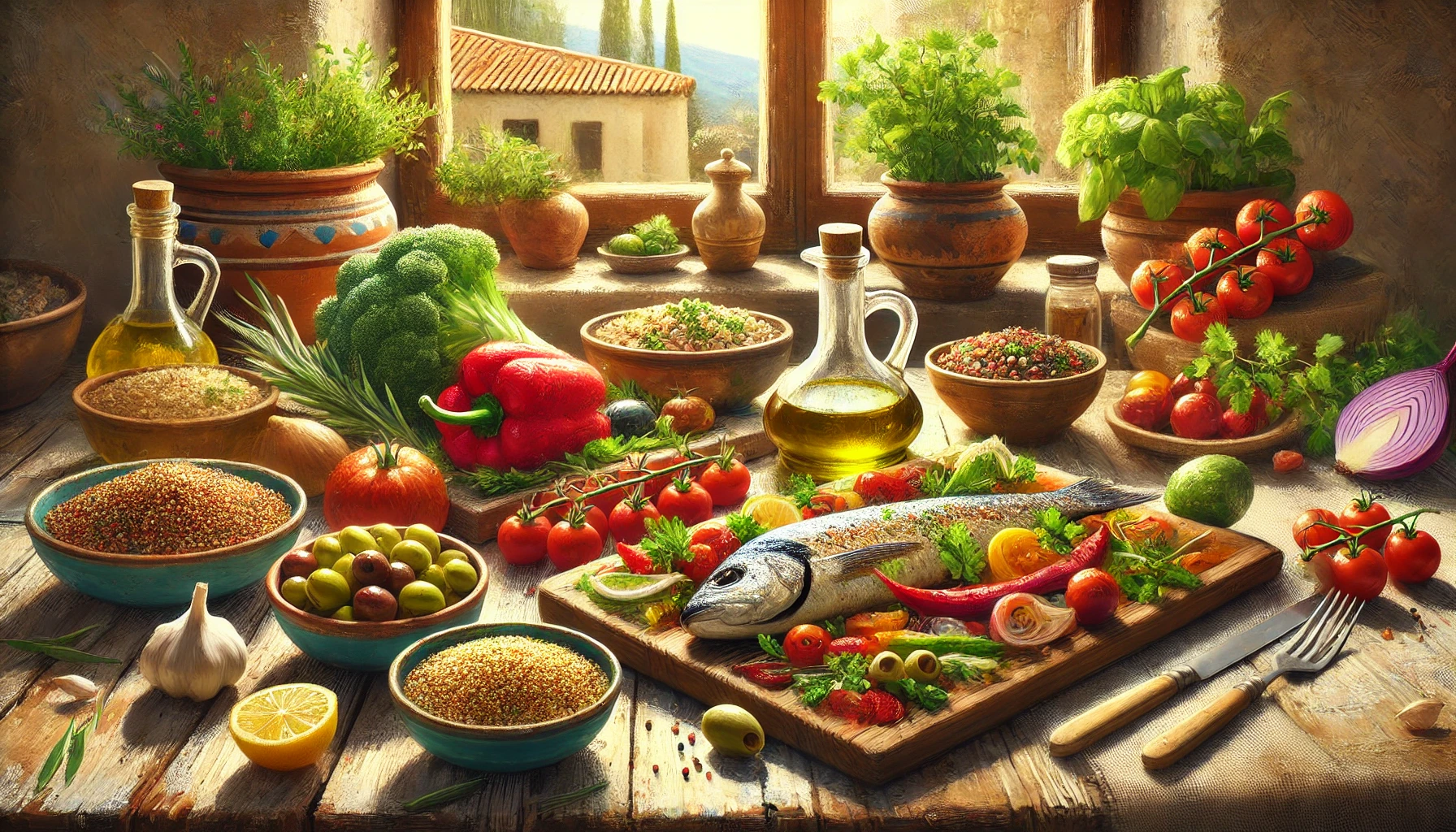
The Snack Philosophy of the Mediterranean
In the Mediterranean, a “snack” isn’t an emergency raid on the pantry; it’s a tiny ritual that buys you energy, focus, and calm between meals. Think small plates assembled with care, eaten without hurry, and built from real ingredients: a handful of olives and a slice of orange, a dollop of hummus with warm vegetables, thick yogurt crowned with fruit and nuts. These bites aren’t placeholders until a “real” meal arrives. They are miniature meals—balanced, flavorful, and satisfying on their own. When you snack this way, you stop riding the blood sugar rollercoaster and start cruising on steady fuel. The key is satiety, and the Mediterranean toolkit is full of it: fiber from plants, protein from legumes and cultured dairy, and healthy fats from olive oil, nuts, and small fish. When those elements show up together, you feel satisfied longer, meaning fewer cravings and more consistent energy. Instead of nibbling your way through the afternoon, you anchor your day with purposeful, joyful pauses that make healthy eating easier than not.
Satiety, Scientifically Delicious
Staying full isn’t magic; it’s chemistry and common sense. Fiber slows digestion and stretches the stomach, sending fullness signals to your brain. Protein triggers satiety hormones and helps stabilize blood sugar. Healthy fats add staying power and make everything taste better, which matters because flavor keeps you engaged and less likely to wander. The Mediterranean pattern delivers all three without feeling heavy. Chickpeas and lentils bring both fiber and protein; olive oil and nuts provide fat that’s satisfying rather than greasy; vegetables add volume for very few calories; and fermented dairy like strained yogurt layers in protein with a gentle tang that wakes up fruit and honey. Even the seasoning strategy supports satiety. A squeeze of lemon, a dusting of za’atar, or a few torn mint leaves amplify flavor so you can feel satisfied with reasonable portions. When you assemble snacks with these components—say, yogurt with walnuts and figs, or sardines on whole-grain toast rubbed with tomato—you create meals in miniature that carry you for hours. The point isn’t to eat more; it’s to eat smarter, so hunger becomes predictable, manageable, and pleasantly met.
Creamy Meets Crunchy: Yogurt, Nuts, and Fruit
If one snack captures Mediterranean fullness in a bowl, it’s strained yogurt layered with fruit and nuts. Thick Greek-style yogurt brings protein and creamy heft that plays beautifully with the sweetness of seasonal fruit. Add a handful of walnuts, almonds, or pistachios and you get crunch, minerals, and healthy fats that slow digestion. A drizzle of extra-virgin olive oil might sound surprising over yogurt, but it adds silkiness and a peppery finish that turns a simple bowl into something memorable. In summer, peaches, berries, and cherries shine; in fall, apples and pears mingle with cinnamon; in winter, citrus and dates step forward; in spring, early strawberries and tender apricots do the job.
If you prefer dairy-free, a thick cultured plant yogurt still pairs well with fruit and nuts; just choose one with minimal added sugar and a clean ingredient list. For a portable version, layer yogurt, chopped fruit, and toasted nuts in a jar with a pinch of lemon zest. The goal is balance: enough fruit to feel fresh, enough nuts to feel grounded, and enough yogurt to keep you comfortably full until your next meal. You don’t need a recipe. You just need the confidence to assemble what’s in season with what’s in your pantry.
Legume Powerhouses: Hummus, Fava, and Lentil Magic
Legumes are the unsung satiety champions of Mediterranean snacking. Hummus—just chickpeas, tahini, lemon, and garlic—earns its reputation for a reason. It’s creamy from tahini, substantial from chickpeas, and bright with citrus, making raw vegetables, warm flatbread, or roasted peppers feel like a treat rather than a chore. When you keep a container in the fridge, you’ve got instant fuel that plays well at any hour. Broad bean (fava) puree offers a similar payoff with a different personality: grassy, silky, and wonderful with olive oil and a shower of herbs. Lentil salads turn into snack cups effortlessly: cooked lentils tossed with chopped tomatoes, cucumbers, parsley, and a lemon-olive-oil dressing keep beautifully and satisfy in just a few spoonfuls. Even a quick skillet of canned chickpeas warmed with garlic, paprika, and a squeeze of lemon can be a snack you eat standing at the counter that still feels intentional and nourishing. Legumes deliver that elusive combination of protein and fiber, and when you finish them with olive oil and herbs, you get layers of flavor that outcompete processed snacks every time. They’re affordable, endlessly adaptable, and ready to be dressed up or kept plain depending on your mood.
Briny and Protein-Rich: Olives, Small Fish, and Eggs
Mediterranean snacking loves a salty, briny edge, and for good reason: olives, anchovies, sardines, and capers bring intensity that makes small portions feel complete. A small bowl of mixed olives alongside a few slices of tomato and a chunk of cucumber can quiet hunger better than a giant bag of chips because it hits taste buds in a way that tells your brain the meal is real. Small fish like sardines or anchovies are rich in omega-3 fats and minerals, and they’re practical; canned in olive oil, they’re shelf-stable and ready on demand. Mash a sardine with lemon and chopped herbs and spread it on a piece of whole-grain toast rubbed with garlic and tomato for a snack that feels luxurious in five minutes. Anchovies melted into a quick pan sauce transform roasted vegetables or leftover grains into a savor-bomb snack without bulk. Eggs, while not uniquely Mediterranean, fit the pattern perfectly. A hard-boiled egg with a drizzle of olive oil and a pinch of sea salt, or a quick olive oil fried egg slipped onto leftover greens, offers steady energy and satisfaction without a long prep. These savory snacks don’t just fill you up—they scratch the itch for something bold and satisfying so you stay out of the pantry until mealtime.
Vegetables with Personality: Dips, Skewers, and Roasts
When vegetables are treated like a main event, snacking becomes easy. The Mediterranean kitchen turns simple produce into craveable bites with heat, acid, and herbs. A plate of roasted peppers dressed with olive oil and garlic, a bowl of cherry tomatoes crushed with capers and oregano, or ribbons of zucchini tossed with lemon and mint can carry a snack solo or partner with a spoonful of hummus or a slice of bread. Cucumber spears and crisp radishes aren’t just vehicles for dip; sprinkle them with flaky salt, splash with vinegar, and finish with a drizzle of good oil, and suddenly they demand attention. Even leftover roast vegetables—eggplant, cauliflower, fennel—shine cold or room temperature with a squeeze of lemon. If raw crudités sometimes feel like homework, grill or roast them to coax sweetness and char that make you want a second helping.
The trick is to prep a vegetable once and let it appear all week: peppers you roast on Sunday show up on Monday with hummus, on Wednesday over toast with anchovies, and on Friday alongside a ball of fresh mozzarella. Variety doesn’t require a hundred recipes; it just needs a few techniques and ingredients that love each other.
Grains with Grit: Toasts, Flatbreads, and Quick Bowls
Whole grains are the quiet backbone of satisfying Mediterranean snacks because they bring chew, minerals, and a slow release of energy. A slice of toasted whole-grain bread rubbed with a cut tomato, finished with olive oil and a pinch of salt—the Spanish-style pan con tomate—feels indulgent but stays light. Spread with a thin layer of ricotta or hummus and add marinated artichokes or roasted mushrooms, and you’ve got a small tartine that eats like a meal. Leftover barley, farro, or brown rice can become a quick bowl in minutes: fold in chopped herbs, diced cucumber, a spoonful of olives, and a splash of lemon and oil, and it’s ready. Even oats can go savory with olive oil, black pepper, and a confetti of grated tomato and basil, making a warm, spoonable snack that feels novel and satisfying. Choose grains with character—bulgur, barley, farro—so each bite has texture and flavor that stands up to vegetables and briny toppings. The goal isn’t to make grains the star; it’s to let them hold the stage long enough for vegetables, legumes, and olive oil to deliver their lines.
Rituals, Rhythm, and Ready-To-Go
Snacks keep you full when they’re tied to rhythm rather than impulse. A late morning yogurt, a mid-afternoon legume cup, or a small savory bite before a late dinner works because your body learns the pattern and stops sounding the alarm at random. Build your own rhythm based on how your days flow. If you train early, a small protein-rich bite afterward prevents the crash. If lunch is late, plan an intentional snack that includes fiber and fat so you don’t arrive ravenous. Preparation eliminates friction. Keep a few jars filled with legumes and chopped vegetables dressed lightly with lemon and oil. Boil a half-dozen eggs and mark the shells with the date. Toast a pan of nuts to keep in a jar for easy grabbing. Wash greens and store them so they’re actually ready to eat. Even five minutes on a quiet evening can change your whole week. When the good choice is the easy choice, you’ll make it without willpower and wonder why snacking ever felt complicated.
Sweet, Light, and Crash-Free
A sweet snack can still carry you if it’s anchored in fiber and fat rather than sugar alone. Fresh fruit is the default because it brings water, vitamins, and texture along with sweetness. Pair a sliced apple with a spoon of tahini, dip orange segments into thick yogurt, or tuck a date around an almond and press it with a thumb of orange zest. Dark chocolate can play a small but satisfying role when you let it melt slowly with a few walnuts or alongside a dish of cherries. The key is restraint with added sugars and attention to texture. When sweetness meets crunch and creaminess, you feel indulged and steady rather than spiked and sleepy. Seasonality helps too. A perfect summer peach requires no embellishment, while winter citrus sings with a thread of honey and a pinch of crushed pistachios. Your palate stays interested, and your energy stays stable.
Make-It-Once, Snack-All-Week Strategies
A Mediterranean kitchen runs on smart repetition. Roast a big tray of vegetables—peppers, zucchini, eggplant, onions—tossed lightly in olive oil and salt, and use them in different ways every day. Cook a pot of lentils or chickpeas and divide them into jars with changing accents: one with lemon and parsley, another with tomatoes and oregano, a third with olives and chili flakes. Prepare a quick relish of chopped tomatoes, cucumbers, capers, and herbs that you can spoon over yogurt one day, grains the next, and fish the day after.
Whisk a simple dressing—lemon juice, olive oil, grated garlic—and keep it in the fridge so flavor is always a few seconds away. Even small habits matter: keep lemons in a bowl where you can see them, store olives at eye level, and have at least one fresh herb on hand, even if it’s a hardy bunch of parsley. When components await assembly, a satisfying snack is never more than a minute from happening.
A Day in the Life of Mediterranean Snacking
Imagine a typical workday threaded with easy fullness. You start with a mid-morning pause: thick yogurt in a small bowl, topped with quartered figs and a few toasted walnuts, finished with a soft swirl of olive oil. Afternoon arrives with focus intact, and you reach for a jar of lentil salad you made two days ago—still bright with lemon, parsley, and diced tomatoes—and eat it slowly with a few olives on the side. If dinner will be late, you slice a tomato and rub it into a piece of toasted whole-grain bread, drizzle it with olive oil, and lay two sardines across the top, cracking black pepper over everything. None of this feels like dieting. It feels like living well because each bite tastes like it was meant to be enjoyed, not endured. You end the evening with a small square of dark chocolate and a clementine, satisfied rather than stuffed, and fall asleep without the heaviness of a day spent snacking at random.
Your Snack, Your Coastline
The best Mediterranean snacks aren’t a strict list to memorize; they’re a language you learn to speak fluently with what you have. Yogurt can be dairy or plant-based. Nuts can be toasted or raw. Beans can be blended into dips or left whole in salads. Vegetables can be raw, roasted, or marinated. Small fish can be fresh and grilled or canned and mashed with lemon. Whole grains can be bread, bowls, or quick toasts. Olive oil shows up everywhere, not as a flood but as a throughline, carrying flavor from bite to bite.
When you build snacks from these parts—fiber that fills, protein that steadies, fat that satisfies—you trade chaotic grazing for calm, confident eating. You’ll notice clearer afternoons, shorter to-do lists, better moods, and dinners that feel intentional instead of urgent. That’s the quiet magic of Mediterranean snacking. It keeps you full so you can be present for your life, one small plate at a time.