Cardio machines have become the backbone of modern gyms, home fitness spaces, athletic training centers, and wellness programs around the world. Whether someone is trying to lose weight, improve endurance, strengthen the heart, or simply stay active, cardio equipment offers accessible and structured ways to move the body effectively. From treadmills and rowing machines to ellipticals and stair climbers, every machine creates a unique workout experience with different strengths and weaknesses. The growing popularity of cardio training is closely tied to advancements in exercise science and technology. Today’s cardio machines are no longer basic pieces of equipment designed only for calorie burning. They now include advanced resistance systems, customizable training programs, performance tracking, incline controls, and heart rate monitoring features that help users train more efficiently than ever before.
Treadmills: The Classic Cardio Powerhouse
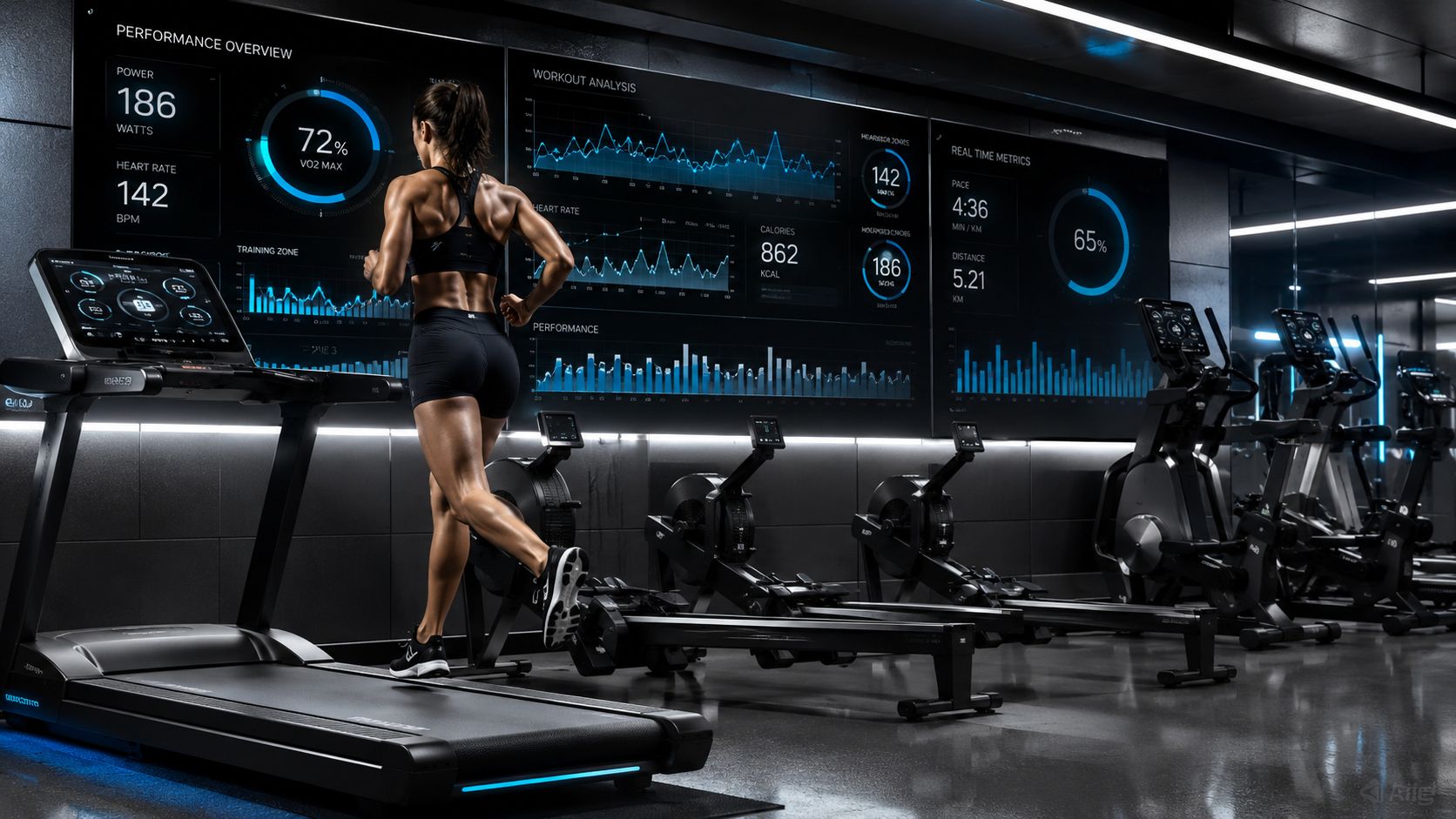
The treadmill remains one of the most widely used cardio machines in the world because of its incredible versatility. Walking, jogging, sprinting, incline hiking, endurance training, and interval workouts can all take place on a single treadmill. This flexibility makes it appealing to beginners, athletes, and experienced fitness enthusiasts alike.
One of the treadmill’s biggest advantages is how naturally it mimics real-world movement. Walking and running are familiar patterns for most people, which creates a lower learning curve compared to more technical machines like rowers or assault bikes. Users can easily adjust speed and incline to control workout intensity and personalize the experience.
Treadmills are highly effective for improving cardiovascular endurance and burning calories. Running workouts especially create substantial metabolic demand because they recruit large muscle groups throughout the body. Incline walking has also become increasingly popular because it elevates heart rate while reducing the impact associated with faster running speeds.
For athletes, treadmills offer excellent conditioning opportunities. Sprint intervals improve explosive power and anaerobic fitness, while long-distance runs build aerobic endurance and stamina. The ability to train consistently regardless of weather conditions gives treadmills a major advantage over outdoor running in many environments.
However, treadmills are not perfect. Running creates repetitive impact forces that can stress the knees, ankles, hips, and lower back, especially during high-volume training. Poor running mechanics or excessive intensity may increase injury risk over time. Some users also find long treadmill sessions mentally repetitive compared to more interactive workout styles.
Despite these drawbacks, treadmills continue to dominate the cardio world because they remain one of the most adaptable and effective forms of cardiovascular exercise available.
Ellipticals: Low-Impact Cardio With Smooth Movement
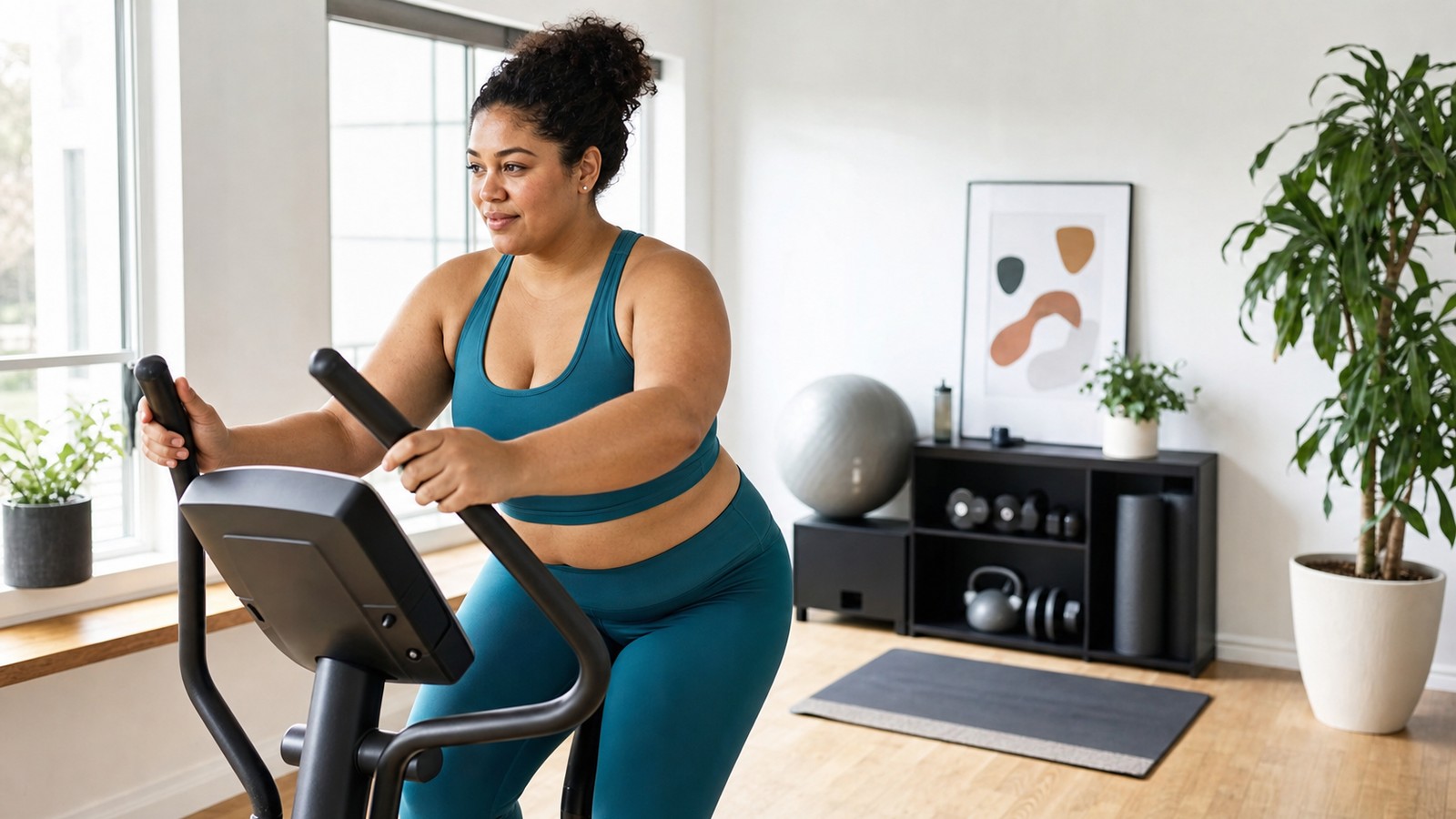
Elliptical machines have earned a strong reputation for delivering low-impact cardio workouts that are easier on the joints while still providing meaningful cardiovascular benefits. Their smooth gliding motion eliminates the pounding associated with running, making them particularly attractive for individuals recovering from injuries or managing joint discomfort.
One of the biggest advantages of the elliptical is accessibility. Beginners often feel comfortable using ellipticals because the movement pattern is relatively controlled and stable. Many machines also include moving handlebars that engage the upper body, creating a more total-body workout compared to some other cardio equipment.
Ellipticals can elevate heart rate effectively when resistance and incline are increased appropriately. Users can perform endurance sessions, interval training, or recovery workouts depending on their goals. The machine’s low-impact nature also allows many individuals to sustain longer workouts comfortably.
Another benefit is reduced recovery demand. Because ellipticals create less impact stress, users may tolerate higher workout frequency without experiencing the same level of soreness or orthopedic fatigue associated with running.
Still, ellipticals have limitations. The movement pattern is partially guided by the machine, which reduces some of the stabilization and balance demands found in more natural movement activities. Some athletes feel ellipticals lack the performance carryover of running or rowing because they do not replicate real-world athletic movement patterns as directly.
Calorie burn can also vary widely depending on workout intensity. Casual elliptical use at low resistance levels may produce relatively modest energy expenditure compared to harder treadmill or stair climber workouts. The machine’s comfort can sometimes encourage lower effort if users are not intentional about maintaining intensity.
For individuals prioritizing joint-friendly cardio and sustainable exercise routines, however, ellipticals remain one of the best options available.
Rowing Machines: The Full-Body Conditioning Machine
Rowing machines have surged in popularity because they combine cardiovascular conditioning with muscular endurance in a uniquely efficient way. Unlike machines that primarily target the lower body, rowers recruit the legs, core, back, shoulders, and arms simultaneously.
This full-body involvement creates tremendous metabolic demand. Effective rowing workouts elevate heart rate quickly while also strengthening multiple muscle groups through repetitive force production. Many fitness professionals consider rowing one of the most complete forms of machine-based cardio available.
One of the rower’s greatest strengths is efficiency. Short workouts can feel extremely challenging because the body must coordinate powerful lower-body drives with upper-body pulling mechanics repeatedly. This combination improves cardiovascular fitness, muscular endurance, posture, and coordination simultaneously.
Rowers also offer relatively low-impact training compared to running. The seated position reduces stress on the knees and joints while still allowing aggressive high-intensity interval workouts. This makes rowing attractive for individuals seeking hard conditioning without excessive pounding forces.
Technique, however, is crucial. Poor rowing mechanics can place unnecessary strain on the lower back, shoulders, or neck. Beginners often require coaching or practice to develop efficient movement patterns and avoid compensatory habits.
Rowing machines can also feel technically demanding and mentally exhausting for some users. Maintaining proper rhythm and force production over longer workouts requires concentration and endurance. Unlike treadmills, which feel intuitive immediately, rowing has a learning curve that may discourage casual exercisers initially.
Despite these challenges, rowing machines stand out as one of the most powerful tools for full-body conditioning and calorie-burning efficiency.
Stair Climbers: Intensity Through Vertical Movement
Few cardio machines create muscular fatigue and cardiovascular intensity as quickly as the stair climber. By simulating continuous stair climbing, this machine forces the body to work against gravity repeatedly, placing substantial demand on the lower body and cardiovascular system.
Stair climbers are especially effective for targeting the glutes, quadriceps, hamstrings, and calves. The constant stepping motion keeps the lower body under nearly continuous tension, which often creates intense muscular endurance challenges even during relatively short sessions.
One major advantage of the stair climber is workout efficiency. Many users achieve high heart rates and significant calorie burn within 20 to 30 minutes because of the demanding vertical movement pattern. This makes stair climbers attractive for people with limited time who still want intense cardio sessions.
The machine also creates less impact than treadmill running because there is no repetitive pounding against a hard surface. For some individuals, this allows hard cardiovascular training with reduced stress on the joints.
However, stair climbers can feel extremely difficult for beginners. The continuous climbing motion may quickly fatigue the legs and challenge coordination. Some users also lean excessively on the handrails, which reduces workout effectiveness and alters posture.
Mental fatigue is another common complaint. The repetitive upward stepping motion offers less movement variation compared to treadmills or bikes. Long stair climber sessions can feel psychologically draining if users dislike repetitive exercise.
Despite these drawbacks, stair climbers remain highly respected for their ability to build cardiovascular endurance and lower-body muscular stamina simultaneously.
Exercise Bikes: Sustainable Cardio for Every Fitness Level
Exercise bikes continue to be among the most accessible and adaptable cardio machines available. Upright bikes, recumbent bikes, and indoor cycling systems all offer effective cardiovascular training with minimal joint impact.
One of the biggest advantages of cycling is sustainability. Because biking creates low orthopedic stress, users often tolerate frequent training sessions comfortably. This makes exercise bikes ideal for beginners, older adults, rehabilitation settings, and individuals managing chronic joint discomfort.
Indoor cycling classes have also transformed exercise bikes into highly engaging fitness experiences. Motivational instruction, music, interval training, and group energy have made cycling workouts incredibly popular in commercial gyms and home fitness programs alike.
Exercise bikes allow for a wide range of workout intensities. Steady-state rides support aerobic endurance development, while aggressive sprint intervals improve anaerobic conditioning and calorie expenditure. Resistance adjustments make workouts scalable for nearly all fitness levels.
Another advantage is safety. Unlike treadmills, where falls can occur at high speeds, cycling provides a stable seated environment that many users find less intimidating.
However, bikes primarily target the lower body and may not create the same total-body energy demand as rowing or certain treadmill workouts. Extended seated posture can also become uncomfortable during long sessions if bike setup is poor.
Cycling workouts may feel less effective for individuals specifically seeking weight-bearing exercise, since biking lacks the impact forces associated with walking or running. Nevertheless, exercise bikes remain one of the most practical and sustainable cardio tools for long-term consistency.
Assault Bikes and High-Intensity Machines: Maximum Effort Conditioning
In recent years, assault bikes and high-intensity cardio machines have gained major popularity in performance training environments. These machines are designed to create brutal conditioning workouts that challenge both muscular endurance and cardiovascular capacity simultaneously.
Unlike traditional stationary bikes, assault bikes use moving handlebars that engage the upper and lower body together. Resistance increases based on effort output, meaning the harder the user pushes, the more difficult the workout becomes.
This self-regulating resistance system creates extremely demanding intervals. Short bursts of maximal effort can elevate heart rate dramatically while also exhausting the muscles rapidly. Athletes frequently use assault bikes for metabolic conditioning, fat-loss circuits, and anaerobic endurance development.
The biggest advantage of these machines is efficiency. Even brief workouts can feel incredibly intense and produce substantial calorie burn. High-intensity intervals also stimulate post-exercise oxygen consumption, meaning the body continues expending energy after the workout ends.
However, assault bikes are not ideal for everyone. Their intensity can overwhelm beginners quickly, and improper pacing often leads to exhaustion within minutes. The workouts are physically and mentally taxing, requiring substantial recovery when performed aggressively.
These machines are best suited for individuals seeking performance-oriented conditioning rather than relaxed steady-state cardio sessions. For experienced exercisers who enjoy pushing their limits, however, few cardio tools rival the challenge of assault-style equipment.
Choosing the Right Cardio Machine for Your Goals
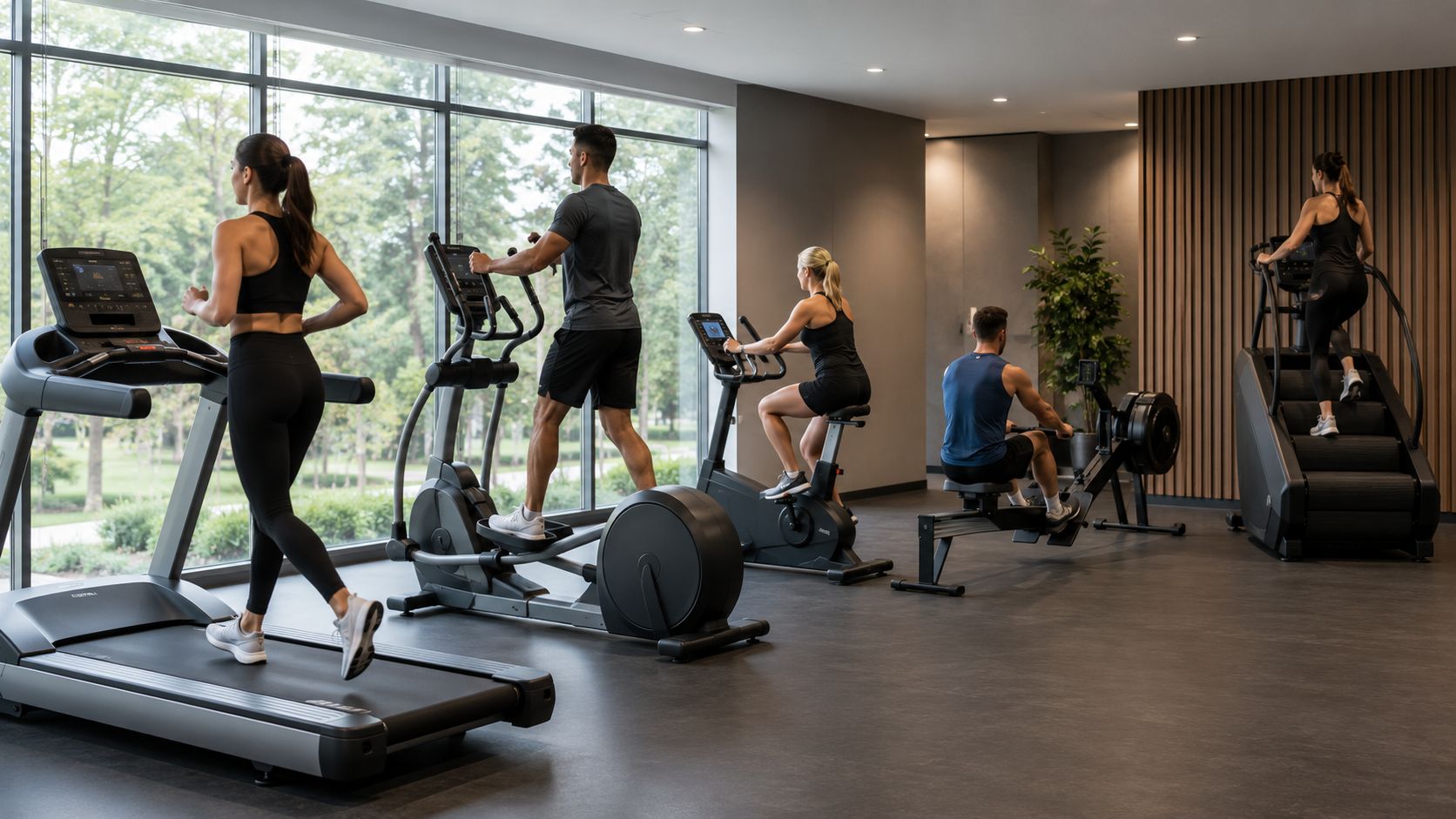
The best cardio machine ultimately depends on personal goals, preferences, physical limitations, and lifestyle factors. No single machine dominates every category because each creates unique training adaptations and workout experiences. Treadmills excel in versatility and athletic carryover. Ellipticals provide joint-friendly cardio with smooth movement patterns. Rowers deliver exceptional full-body conditioning and muscular endurance. Stair climbers create intense lower-body and cardiovascular challenges. Exercise bikes prioritize sustainability and accessibility. Assault bikes maximize high-intensity conditioning efficiency. Fat loss, endurance, recovery, performance enhancement, and rehabilitation all require slightly different approaches to cardiovascular training. The ideal machine aligns with the specific outcome someone wants to achieve while remaining enjoyable enough to use consistently. Workout consistency matters more than theoretical calorie calculations or trendy fitness claims. A machine that someone genuinely enjoys using regularly will almost always produce better long-term results than equipment they dread. Many experienced exercisers eventually combine multiple cardio machines into balanced training routines. Rotating between treadmills, bikes, rowers, and stair climbers reduces repetitive stress, prevents boredom, and develops more complete conditioning. Cardio machines continue evolving as technology advances, but the core purpose remains unchanged: helping people move more effectively and improve their health. Whether someone prefers the rhythmic pace of a treadmill run, the intensity of stair climbing, or the smooth endurance of cycling, the right machine can become a powerful tool for building energy, confidence, resilience, and long-term fitness success.