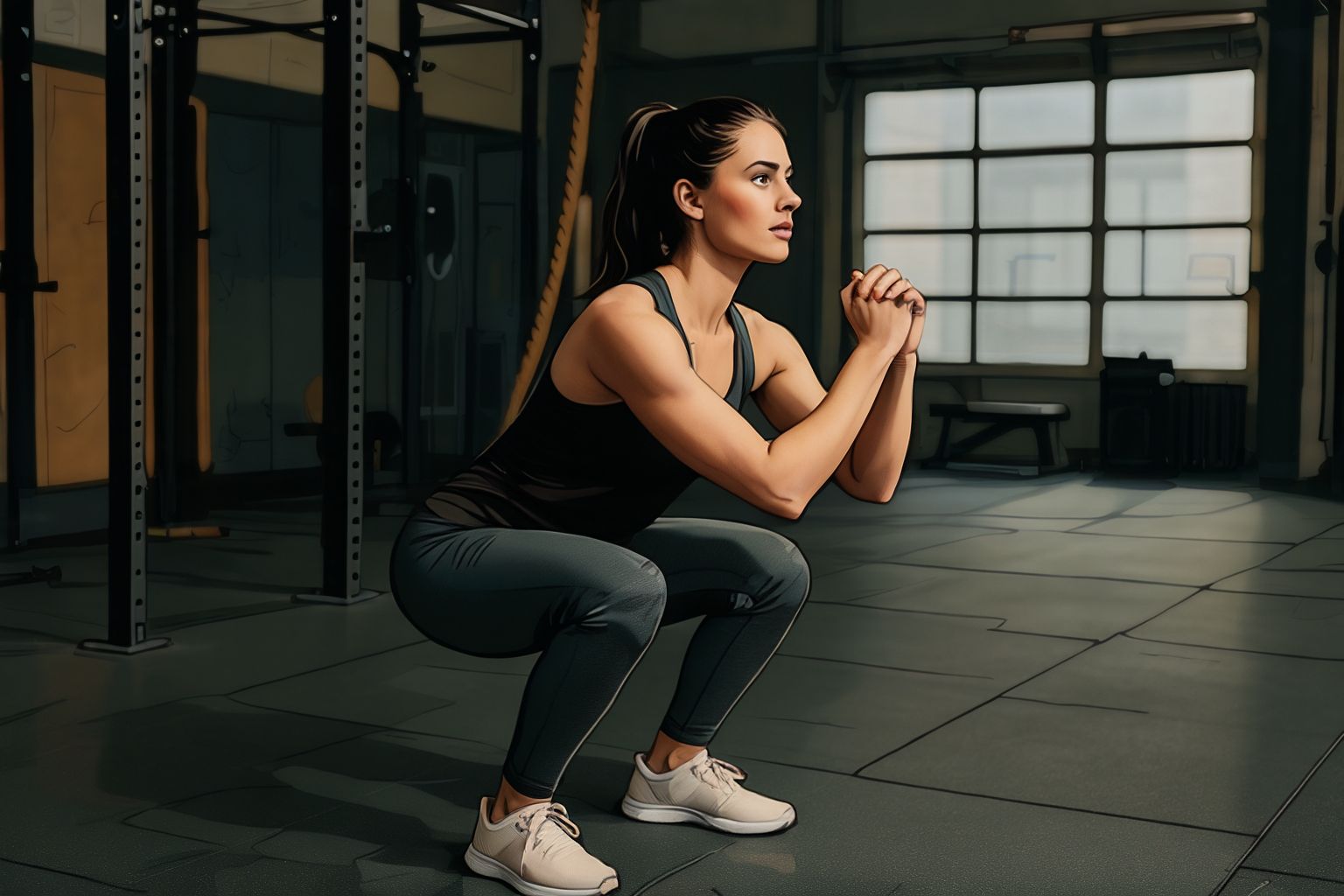
Getting ripped doesn’t always require heavy weights, expensive equipment, or a fancy gym membership. The human body itself is the ultimate resistance machine—capable of building muscle, burning fat, and sculpting an impressive physique through the right combination of intensity, precision, and consistency. Bodyweight training has stood the test of time, used by soldiers, athletes, and martial artists for centuries to achieve powerful, functional strength. Whether you’re training at home, in a park, or on the road, you can build a shredded, lean body using nothing but gravity and determination. The key is understanding how to turn simple movements into a muscle-sculpting system that demands progress, power, and discipline.
Building Muscle Without the Iron
One of the biggest misconceptions about fitness is that you need weights to build muscle. The truth is, muscle growth comes from creating tension and stress on the fibers, forcing them to adapt and grow stronger. Bodyweight exercises can do this exceptionally well when performed with proper form and intensity. Push-ups, pull-ups, dips, squats, and planks may seem basic, but when executed with full control, explosive energy, and progressive overload, they can produce incredible results. Adjusting tempo, range of motion, and leverage can dramatically increase difficulty.
For instance, slowing down your descent in a push-up or holding the bottom position longer creates more time under tension—one of the key drivers of hypertrophy. With strategic progressions, bodyweight training can sculpt muscle definition in your chest, arms, legs, and core without ever picking up a dumbbell.
The Blueprint of a Ripped Physique
To get ripped, you must combine muscle-building resistance with fat-burning cardio and a clean, consistent diet. A shredded physique emerges when body fat drops and lean muscle becomes visible. Bodyweight training naturally blends strength and cardio because many movements engage multiple muscle groups simultaneously. High-intensity exercises like burpees, jump squats, and mountain climbers torch calories while maintaining muscle tone. When paired with strength-based moves such as pull-ups, push-ups, and pistol squats, you develop both definition and endurance. The balance between muscle tension and metabolic intensity keeps your body in a constant state of challenge, pushing fat stores to diminish while maintaining lean mass. Over time, this balance creates the chiseled, athletic look that defines being “ripped.”
The Science of Progressive Overload
To continuously build muscle and definition, you must challenge your body to adapt. This principle—progressive overload—applies as much to bodyweight training as it does to lifting weights. Since you’re not increasing external load, you manipulate other variables: volume, intensity, speed, rest, and complexity. Start by increasing repetitions and sets, then move toward more advanced variations. A standard push-up evolves into a decline push-up, then into a one-arm or archer push-up. Bodyweight squats transition into jump squats, Bulgarian split squats, and eventually pistol squats. Even static holds, like planks or L-sits, can be extended or combined with movement to increase difficulty. This progression builds resilience, muscle density, and explosive power. The goal is to make every session slightly harder than the last, creating a constant upward curve of strength and muscle adaptation.
The Role of Nutrition in Getting Shredded
You can’t out-train a poor diet, no matter how intense your bodyweight workouts are. Nutrition is the silent architect of a ripped physique. To reveal muscle definition, you need to maintain a slight calorie deficit—burning more calories than you consume—while keeping protein intake high to preserve muscle mass.
Lean proteins such as chicken, fish, eggs, and legumes are essential for repair and growth. Combine these with complex carbohydrates for energy and healthy fats for hormonal balance. Hydration also plays a crucial role, helping muscle recovery and maintaining metabolism. Body recomposition, the process of losing fat while building muscle, happens when training and nutrition work in harmony. A diet rich in whole foods, vegetables, and adequate protein fuels performance and enhances recovery, ensuring your hard work in training translates into visible results.
Mastering Bodyweight Compound Movements
The foundation of any effective bodyweight routine lies in compound exercises—movements that engage multiple muscle groups at once. These are your bread and butter for getting ripped. Pull-ups and chin-ups sculpt your back and arms while engaging your core. Push-ups and dips build the chest, shoulders, and triceps. Squats and lunges strengthen the legs, glutes, and calves. Planks and leg raises carve out a solid, functional core. What makes these movements powerful is their scalability.
They can be performed anywhere, modified for beginners, and intensified for advanced athletes. By mastering these compounds and linking them together in circuits or supersets, you elevate your heart rate, stimulate muscle growth, and maximize calorie burn. A session built around these fundamentals is efficient, effective, and perfectly designed for a lean, muscular body.
Turning Intensity into a Weapon
Intensity is the heartbeat of bodyweight transformation. While traditional gym workouts rely on added resistance, bodyweight training demands that you manipulate speed, rest, and effort to create the same challenge. Incorporating techniques like tempo control, supersets, and HIIT-style intervals amplifies the burn and keeps your metabolism high. For example, performing push-ups immediately followed by jump squats or burpees floods your muscles with lactic acid, forcing adaptation and growth. Minimal rest periods—around 30 seconds—ensure your body never fully recovers between exercises, maintaining a fat-burning state throughout the workout. The beauty of this approach is efficiency: with just 20 to 30 minutes of focused intensity, you can achieve a full-body transformation that rivals any weightlifting program. Consistent intensity, not equipment, is what separates an average physique from a shredded one.
Getting ripped through bodyweight training is not an overnight process—it’s a journey of patience and consistency. Muscles need time to recover, rebuild, and strengthen, and this recovery phase is just as vital as the workouts themselves. Overtraining can lead to plateaus and burnout, so listen to your body and balance high-intensity days with rest or active recovery like stretching, yoga, or walking. Sleep is another overlooked pillar of transformation; during deep rest, your body produces growth hormones that help repair muscle fibers and burn fat more efficiently. Consistency is the real secret weapon. Doing a few workouts sporadically won’t yield results, but committing to a routine—three to five focused sessions per week—will gradually sculpt the physique you want. The process builds not only muscle and strength but also discipline, confidence, and mental resilience.
The Ultimate Freedom of Bodyweight Mastery
What makes bodyweight training truly special is freedom. You’re not tied to a gym, a barbell, or any specific space. Your body becomes the tool, and the world becomes your training ground. You can push yourself anywhere—on the beach, in your living room, or in the middle of a forest. Every rep connects you more deeply with your own strength and control. The aesthetic benefits—defined abs, sculpted arms, and lean muscle tone—are undeniable, but the mental empowerment runs even deeper. You learn how far discipline and consistency can take you when you rely solely on yourself. Getting ripped with bodyweight training alone is a statement of independence—a reminder that true strength doesn’t come from machines, but from mastery over your own body and mind.