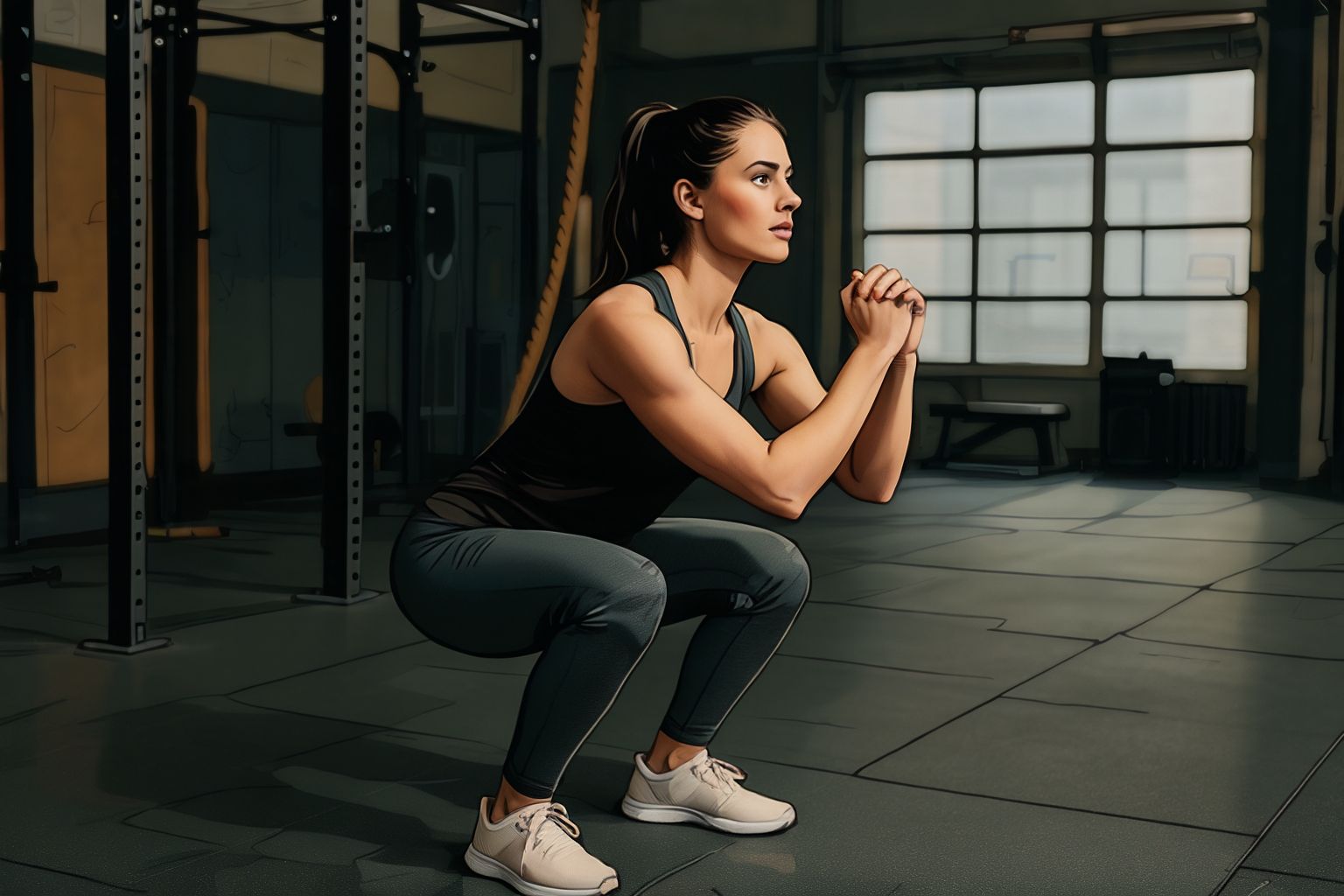
Plyometric training is all about speed, force, and control. It’s the art of turning muscle power into motion, transforming raw strength into quick, explosive energy. The term “plyometrics” might sound technical, but its essence is simple—jump, push, sprint, and react with power. These exercises activate the stretch-shortening cycle of muscles, where a rapid stretch is followed by an immediate contraction, creating that spring-like rebound effect. Whether you’re an athlete looking to improve vertical jump, a martial artist working on agility, or a fitness enthusiast wanting to build strength and definition, plyometric bodyweight workouts are a proven way to boost performance. They ignite muscle fibers, enhance coordination, and torch calories at the same time, delivering not only explosive power but also a lean, athletic physique.
Awakening the Fast-Twitch Muscle Fibers
To develop explosive power, you must engage your fast-twitch muscle fibers—the ones responsible for speed and force. Traditional slow-tempo workouts build endurance, but plyometrics target the quick-reacting fibers that make you faster, stronger, and more agile.
These fibers respond best to high-intensity, rapid movements like jumps, hops, and sprints. Exercises such as squat jumps, clapping push-ups, and skater leaps force the body to generate power in milliseconds. This neuromuscular adaptation trains your brain and muscles to fire faster, creating smoother coordination and more potent bursts of strength. Over time, your body becomes a finely tuned engine of explosive energy, capable of reacting instantly with force and precision.
The Foundation of Power: Proper Form and Control
Before diving into intense plyometric workouts, mastering form is non-negotiable. Explosiveness isn’t just about jumping higher or moving faster—it’s about control, balance, and precision. Each rep should be explosive yet deliberate. For example, when performing jump squats, your knees should align with your toes, your landing soft and controlled to absorb impact through your muscles rather than your joints. In push-up variations, keep your core tight and shoulders stable to prevent injury.
A proper warm-up is essential—dynamic stretches like leg swings, lunges, and jumping jacks prepare your muscles for the intensity ahead. Think of your body as a coiled spring; it must be primed before you unleash full force. Proper mechanics ensure safety, efficiency, and maximum power output in every movement.
Plyometric Lower Body Powerhouses
The lower body is where most of your explosive potential lies. Your legs, hips, and glutes act as the primary engines of athletic performance, and plyometric exercises push them to their limits. Jump squats are the cornerstone of lower-body plyometrics, combining strength, balance, and power in one fluid motion. Box jumps and broad jumps challenge your ability to generate force from a dead stop, enhancing your ability to accelerate in sports and real-life movement. Skater hops engage stabilizing muscles, improving lateral power and coordination.
Split squat jumps build single-leg strength while testing your balance and agility. Over time, these movements develop the ability to produce rapid, forceful contractions, giving you the lift, sprint speed, and agility that define athleticism. Whether you’re chasing higher verticals, faster takeoffs, or pure leg definition, lower-body plyometrics deliver results that are both powerful and aesthetic.
Upper Body Explosiveness Redefined
When people think of plyometrics, they often picture jumping—but upper body plyometrics are equally transformative. Movements like clapping push-ups and plyometric dips develop fast-twitch power in the chest, shoulders, and triceps. These exercises simulate the explosive force needed for punching, throwing, or rapid acceleration. Medicine ball slams and wall passes (performed with a partner or substitute object) improve coordination and core engagement while building speed through the upper torso. Even explosive burpees, combining a push-up with a jump, engage the entire upper chain for full-body force production. The goal is to move with intensity, where each rep feels like a burst of power rather than a simple repetition. When your upper body becomes as reactive and fast as your lower body, you achieve balance, symmetry, and strength that enhance performance in every arena—from athletics to everyday life.
Combining Power and Agility
Plyometric training isn’t just about brute power—it’s also about control and precision. The best athletes move fluidly, transitioning from one explosive action to another without losing balance or timing. To build this level of agility, you need movements that challenge your stability, coordination, and rhythm. Exercises like lateral hops, bounding runs, and single-leg jumps refine your ability to react quickly while maintaining posture and balance. Agility ladder drills or cone hops can also be integrated to train directional speed. These drills teach your body how to absorb impact and redirect force efficiently, a key skill for sports, functional movement, and injury prevention. When combined with strength-based plyometrics, agility work helps create an athletic foundation—where power meets precision and every movement feels intentional, reactive, and sharp.
For those who crave intensity, combining plyometrics with high-intensity interval training (HIIT) is the ultimate metabolic storm. HIIT amplifies calorie burn while keeping your heart rate elevated throughout the session, and plyometrics add the explosive power element that makes every movement more dynamic. A sample combination might include 30 seconds of squat jumps, followed by 20 seconds of mountain climbers, then 30 seconds of clapping push-ups. After a brief rest, repeat for multiple rounds. This fusion of cardio and power work not only builds endurance but also triggers the afterburn effect, where your body continues to burn calories long after the workout ends. Beyond fat loss, this style of training improves speed, explosiveness, and cardiovascular capacity simultaneously. It’s the perfect formula for sculpting a lean, athletic physique that performs as impressively as it looks.
The Importance of Recovery and Mobility
Explosive training is high impact, which means your body needs recovery as much as it needs intensity. Muscles, joints, and tendons are placed under significant stress during plyometric sessions, and without proper recovery, performance will suffer. Incorporate active recovery days with mobility drills, yoga, or light cardio to keep your joints fluid and your muscles loose. Foam rolling and stretching help reduce soreness and maintain flexibility, allowing for consistent, powerful performance. Sleep and nutrition also play major roles in recovery; without adequate rest, your body can’t repair and adapt effectively. Think of recovery not as downtime but as an essential part of the power-building process. The stronger you recover, the more explosive your next session will be.
Taking Flight: The Mindset of Explosive Training
True explosiveness begins in the mind. Every jump, sprint, or push-up demands commitment, focus, and confidence. Plyometric training isn’t just about physical exertion—it’s about teaching your body to react without hesitation. The explosive athlete trusts their instincts, channels their energy, and moves with intent. Visualize each movement before executing it; see yourself driving upward, landing softly, and repeating with precision.
Mental engagement enhances reaction time and sharpens coordination, transforming workouts into moments of pure flow. The more present and deliberate you become, the faster your progress accelerates. Explosive power, after all, is a reflection of both physical mastery and mental sharpness. When your body and mind work in unison, you don’t just perform—you dominate every movement with confidence and control.
The Freedom and Fire of Bodyweight Power
Plyometric bodyweight workouts represent the perfect blend of simplicity and sophistication. They don’t require machines or heavy equipment—just drive, discipline, and creativity. With each explosive leap, your body becomes stronger, more agile, and more capable. You’ll notice not only improved athletic performance but also a transformation in how you move through life—more energy, balance, and control in every step. The beauty of bodyweight plyometrics lies in their accessibility; whether you’re in a gym, at home, or outdoors, your training never stops. The human body was built to move dynamically, to jump, sprint, and react. When you train it as it was meant to move, you awaken the raw, athletic power within. Every explosive rep becomes a declaration of what your body can do—stronger, faster, and more alive than ever before.