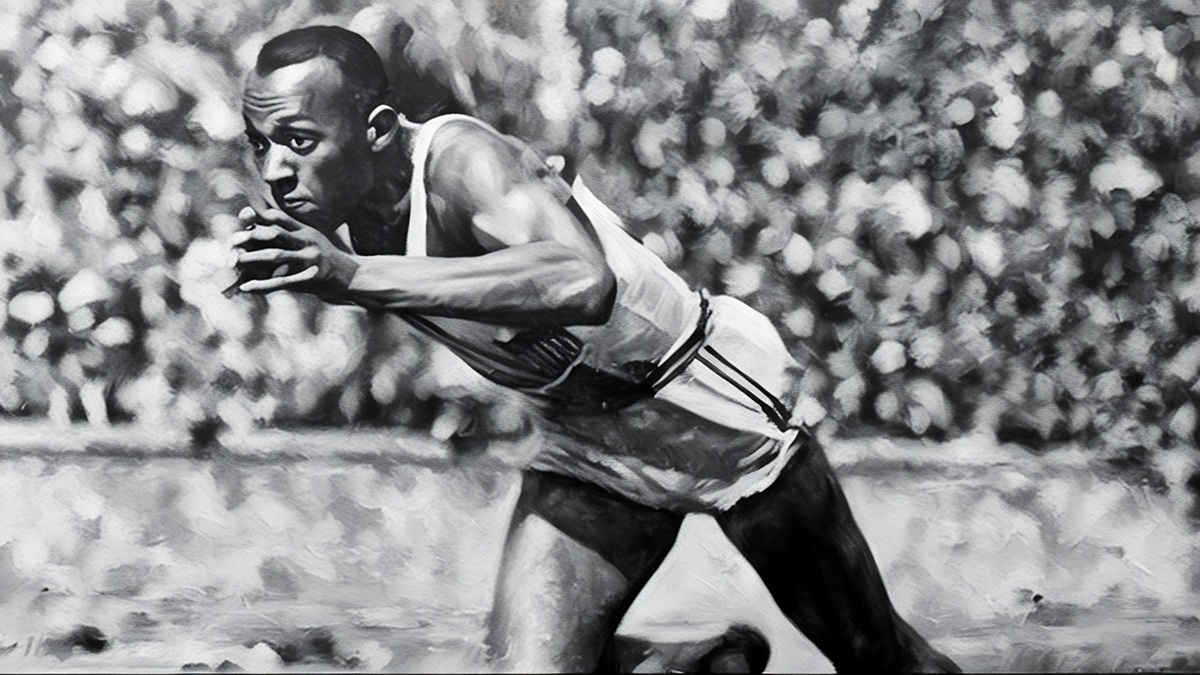
Unleashing the Champion Within: Training for 4x100m and 4x400m Relays
Relay events in track and field are the epitome of athletic teamwork, blending individual excellence with collective coordination. Whether you’re gearing up for the fast-paced 4x100m or the endurance-testing 4x400m, the road to success requires a specific, targeted training approach. In both events, every second matters, and every runner must be prepared for their role in the race. This article will explore how to train like a champion for these relay events, focusing on everything from speed development to perfecting handoffs, and building team synergy.
The Foundation: Developing Speed and Explosive Power
In both the 4x100m and the 4x400m relays, speed is the central component. The sprinter’s ability to accelerate out of the blocks and sustain speed is vital to success in the 4x100m. For the 4x400m, while endurance comes into play, speed still plays an important role in the final push to the finish line.
To develop speed, it’s important to focus on explosive power. Sprinters should focus on strength training exercises like squats, lunges, and power cleans to build the muscles needed for fast starts and powerful strides. Plyometric exercises such as box jumps and bounding drills improve explosive movement, helping athletes maximize their output at the start of each leg.
Acceleration drills should be a primary focus during training. Short sprints, with a focus on maximum acceleration over the first 20 to 30 meters, are essential to simulating the explosive starts required in both relay events. The ability to get out of the blocks fast in the 4x100m and maintain a strong start in the 4x400m is crucial.
Perfecting the Handoff: Timing is Everything
No matter how fast an athlete is, if the baton exchange isn’t flawless, the relay team will lose valuable time. Handoff training is where teams either make or break their race.
In the 4x100m relay, the exchange is incredibly fast. Athletes must learn to pass the baton smoothly while maintaining speed. This is why practicing handoff zones is so important. A common mistake is overextending the handoff, slowing down in an attempt to reach the other runner. Instead, athletes should focus on timing their handoff to ensure that the baton is passed seamlessly without slowing down.
In the 4x400m relay, the handoff is slightly different. Because the distance is longer, runners have more time to approach each other for the handoff. However, the technique still needs to be precise, with an emphasis on efficiency. Each runner should practice their exchange technique regularly to perfect it under pressure. One of the best ways to improve is through relay drills that simulate actual race conditions. Athletes can practice different handoff techniques, such as the traditional pass, blind pass, or push pass, depending on the team’s strategy.
Building Team Chemistry: Working Together as One
The relay race is unique because it requires individual athletes to work as a cohesive unit. Every runner has their specific role in the race, and the success of the team relies on how well each member performs their part. This is where team chemistry comes into play.
Communication is key in any successful relay team. Runners need to understand each other’s strengths and weaknesses, how they pace themselves, and when to push for the final burst. Coaches should foster an environment where the team bonds not only during practice but also through team-building activities. The more comfortable the runners are with each other, the more fluid the handoffs and overall performance will be.
It’s also essential for team members to understand the mental side of the race. Relay runners should prepare for the pressures of the event by visualizing their race ahead of time. Knowing exactly how each runner will handle the baton exchange and anticipating the needs of their teammates can reduce anxiety and increase confidence.
Endurance for the 4x400m: Developing Stamina and Pacing
While speed is important in both relay events, the 4x400m relay adds another layer of complexity: endurance. In the 4x400m, athletes must maintain a high level of speed for a longer distance, which requires proper pacing and stamina.
One way to build endurance is through interval training. Long intervals with short recovery periods simulate the demands of the 400-meter race. Sprinters can train by running multiple 200m sprints at race pace with short rest intervals in between, preparing their bodies to handle the fatigue of the final stretch in the 4x400m.
Pacing is equally crucial. While sprinters tend to focus on maximum speed, the 4x400m requires the ability to manage energy. Athletes should practice pacing themselves during their runs, learning when to push hard and when to conserve energy. A strong finish in the 4x400m can be the difference between victory and defeat, and a runner’s ability to manage their pace can directly affect the team’s overall performance.
Strength and Conditioning: Building the Whole Athlete
Strength and conditioning play an integral role in training for both the 4x100m and 4x400m relay events. Without sufficient strength, runners won’t have the power to accelerate, maintain speed, or finish strong. Developing core strength and overall conditioning is essential for maximizing athletic performance.
Core strength is critical for every sprinter. A solid, strong core improves posture, form, and stability, helping runners maintain good technique throughout the race. Planks, Russian twists, and leg raises are excellent exercises to target the core.
Conditioning exercises like circuit training, hill sprints, and resistance band workouts help improve overall physical conditioning and stamina, especially in the 4x400m. Strong legs, efficient footwork, and the ability to push through fatigue are essential, especially during the later stages of the race.
Mental Toughness: Overcoming Pressure and Staying Focused
Mental preparation is often what separates the best athletes from the rest. In both the 4x100m and 4x400m relays, mental toughness can make all the difference. Relay races are filled with high-pressure moments, from the start to the baton handoff, to the final push to the finish line.
To train for these pressures, athletes should incorporate mental conditioning into their practice routines. Visualization techniques are powerful tools for preparing for race-day scenarios. By mentally rehearsing each stage of the race and anticipating potential challenges, athletes can stay calm under pressure and perform at their best.
Additionally, athletes should work on maintaining focus throughout the entire race. In the 4x100m, maintaining form and concentration during the handoff is vital. In the 4x400m, focusing on pacing and stamina is key. Staying mentally engaged throughout the race ensures that athletes can push through physical fatigue and finish strong.
Recovery and Nutrition: Fueling Your Body for Peak Performance
Proper recovery and nutrition are just as important as the training itself. For relay athletes, muscle recovery is essential to ensure optimal performance. Adequate sleep, hydration, and nutrition play a vital role in keeping the body in peak condition.
After intense training sessions, sprinters should use recovery techniques like foam rolling, stretching, and even active recovery workouts. These practices help reduce muscle soreness and prevent injuries.
In terms of nutrition, carbohydrates are key for fueling the body before and after training. Complex carbs like whole grains provide sustained energy, while simple sugars can provide quick bursts of energy during intense exercise. Proteins are essential for muscle repair, while fats support overall recovery and hormone balance.
Eating the right foods at the right times ensures that athletes can maximize their training sessions and perform at their best on race day.
Racing Strategy: The Importance of Timing and Adaptability
While physical training is crucial, strategy is also a major factor in relay success. Whether it’s deciding which runner goes first or last or determining the pacing strategy, every aspect of the race must be planned out to perfection.
For the 4x100m, the key is getting the first runner off to a fast start and maintaining that momentum throughout the race. For the 4x400m, pacing is essential to avoid burnout in the middle of the race, ensuring that the last runner has enough energy to finish strong.
Each team should develop a strategy tailored to their strengths and weaknesses. Some teams might choose to place their strongest runner in the final leg, while others might focus on getting a fast start. Testing different strategies during training can help athletes determine the best approach for their team.
The Champion’s Journey: Embrace the Process
Training for relay events is no easy feat. It requires dedication, teamwork, and mental resilience. But the journey to success is incredibly rewarding. By committing to the process, focusing on your individual strengths, and working cohesively as a team, you will be ready to face any challenge that comes your way.
Remember, champions are made in practice. Every sprint, every handoff, every strategy session is a step toward achieving greatness. Whether you’re training for the high-speed 4x100m or the endurance-driven 4x400m, it’s the combination of hard work, perseverance, and teamwork that will lead you to victory.
Cross the Finish Line: Your Legacy as a Relay Champion
As you near the end of your training journey, take a moment to reflect on the growth you’ve experienced. You’ve developed speed, stamina, mental toughness, and, most importantly, the ability to work with your team to achieve something extraordinary. The excitement of the relay race, the handoff exchanges, the adrenaline—it’s all part of the magic.
When you cross that finish line, it’s not just a victory for you; it’s a victory for your team, your coaches, and everyone who believed in you. So keep pushing, keep training, and remember—champions aren’t born, they’re made.