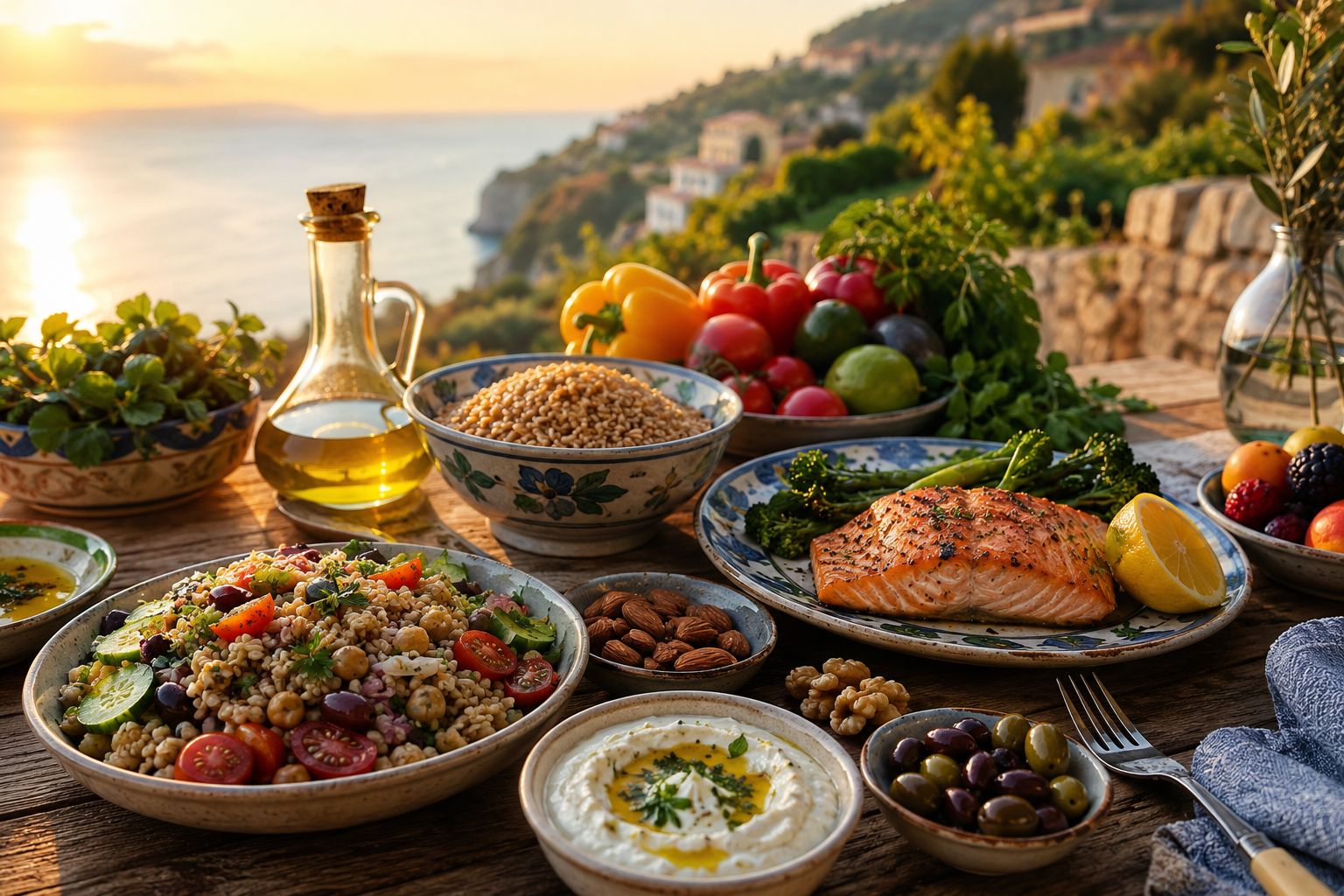
The connection between food and digestive health has become one of the most exciting discoveries in modern wellness. Scientists, nutrition experts, and health professionals are now uncovering how the gut influences nearly every system in the body, from immunity and metabolism to mood and energy levels. At the center of this conversation stands the Mediterranean diet, a timeless way of eating inspired by countries bordering the Mediterranean Sea. Rich in colorful vegetables, fruits, legumes, olive oil, seafood, herbs, and whole grains, this eating pattern has long been celebrated for heart health and longevity. Now, it is gaining even greater attention for its powerful role in supporting digestion and nurturing the gut microbiome. Unlike restrictive diet trends that focus on eliminating foods or counting every calorie, the Mediterranean diet encourages abundance, balance, and variety. This creates the perfect environment for digestive wellness. The foods commonly found in Mediterranean cuisine naturally deliver fiber, antioxidants, healthy fats, and beneficial plant compounds that help the digestive tract function smoothly while feeding the trillions of bacteria living inside the intestines.
The Hidden Universe Inside Your Digestive System
Inside the human digestive tract exists an astonishing ecosystem known as the gut microbiome. This microscopic world contains trillions of bacteria, fungi, and other microorganisms that influence digestion, immune function, nutrient absorption, and even mental health. While the idea of bacteria inside the body may sound alarming, many of these organisms are essential for survival.
A healthy microbiome is diverse and balanced. Beneficial bacteria help break down food, produce important nutrients, and protect the body from harmful pathogens. When this balance becomes disrupted due to poor diet, stress, processed foods, antibiotics, or lack of sleep, digestive issues can begin to emerge. Symptoms like bloating, constipation, diarrhea, gas, stomach discomfort, and irregular digestion often point toward an unhealthy gut environment.
The Mediterranean diet supports this internal ecosystem in remarkable ways. Because it is naturally rich in plant-based foods, the diet provides the fiber that healthy bacteria rely on for fuel. Unlike highly processed foods that can damage gut diversity, Mediterranean meals nourish a wider range of beneficial microbes. Greater microbial diversity is strongly associated with better digestive resilience and reduced inflammation throughout the body.
Researchers have discovered that individuals who closely follow Mediterranean eating habits often possess healthier and more diverse gut bacteria profiles compared to those consuming heavily processed Western diets. This may explain why the Mediterranean lifestyle is linked with lower rates of digestive disorders, obesity, cardiovascular disease, and chronic inflammation.
Fiber: The Digestive Superpower of Mediterranean Eating
One of the biggest reasons the Mediterranean diet supports digestion so effectively is its naturally high fiber content. Fiber is often overlooked in modern nutrition discussions, yet it plays a critical role in maintaining gut health. Found abundantly in vegetables, fruits, beans, lentils, nuts, seeds, and whole grains, fiber acts as fuel for beneficial gut bacteria while also helping food move efficiently through the digestive tract.
Many Western diets are severely lacking in fiber due to the heavy consumption of refined grains, sugary snacks, and fast food. In contrast, Mediterranean meals are built around whole foods that provide both soluble and insoluble fiber. Soluble fiber absorbs water and forms a gel-like consistency that can help stabilize digestion and support healthy cholesterol levels. Insoluble fiber adds bulk to stool and promotes regular bowel movements.
As beneficial bacteria ferment fiber inside the colon, they produce compounds known as short-chain fatty acids. These compounds help reduce inflammation in the gut lining and strengthen the intestinal barrier. A healthier intestinal barrier means fewer toxins and harmful substances entering the bloodstream, which can improve both digestive comfort and overall wellness.
The beauty of Mediterranean eating is that fiber intake becomes effortless. A simple meal of grilled vegetables, chickpeas, olive oil, herbs, and whole grain bread delivers a powerful combination of nutrients without requiring complicated meal plans or supplements. Over time, consistent fiber intake can help reduce bloating, improve regularity, and create a more stable digestive environment.
Olive Oil and Healthy Fats That Soothe the Gut
One of the most iconic elements of the Mediterranean diet is extra virgin olive oil. Often referred to as liquid gold, olive oil does far more than add flavor to meals. It contains healthy monounsaturated fats and anti-inflammatory compounds that may support digestive health in several important ways.
Inflammation is a major contributor to digestive discomfort and chronic gut issues. Highly processed diets filled with trans fats and excessive sugar can increase inflammation throughout the digestive tract. Olive oil, however, contains polyphenols and antioxidants that may help calm irritation and protect intestinal tissues.
Healthy fats also support digestion by aiding nutrient absorption. Vitamins such as A, D, E, and K require fat for proper absorption, and Mediterranean meals naturally combine these nutrients with healthy oils. This synergy allows the body to extract more nourishment from food while supporting smoother digestive function.
Additionally, olive oil may help promote regular bowel movements. Some studies suggest that moderate olive oil intake can support intestinal lubrication and improve stool consistency. Combined with fiber-rich foods, this creates an ideal environment for digestive efficiency.
The Mediterranean approach to fat is particularly important because it shifts the focus away from heavily processed oils and toward natural, minimally refined sources. Alongside olive oil, foods like nuts, seeds, and fatty fish provide omega-3 fatty acids that further contribute to gut-friendly anti-inflammatory effects.
Fermented Foods and Natural Probiotics From the Mediterranean Table
Traditional Mediterranean cuisine often includes fermented foods that naturally contain probiotics. Probiotics are live beneficial bacteria that help replenish and support the gut microbiome. While modern probiotic supplements have become extremely popular, many Mediterranean cultures have long relied on fermented foods as part of everyday eating.
Yogurt is one of the most recognizable examples. Authentic Mediterranean-style yogurt is often less processed and contains active cultures that may aid digestion and support microbial balance. Fermented cheeses, olives, and pickled vegetables can also contribute beneficial bacteria that interact positively with the gut environment.
These probiotic-rich foods work together with the high-fiber content of the Mediterranean diet. Fiber acts as a prebiotic, meaning it feeds the healthy bacteria introduced through fermented foods. This combination creates a synergistic effect that promotes stronger microbial diversity and improved digestive resilience.
For individuals struggling with digestive discomfort, introducing naturally fermented foods gradually can sometimes improve symptoms over time. A healthier balance of bacteria may help reduce bloating, improve stool consistency, and support immune responses in the gut.
What makes Mediterranean eating especially powerful is that these probiotic foods are not treated as isolated health products. Instead, they are woven naturally into balanced meals alongside vegetables, healthy fats, and whole grains. This creates a sustainable and enjoyable way to support digestive health without relying solely on supplements or restrictive programs.
How the Mediterranean Diet Helps Fight Gut Inflammation
Inflammation in the digestive tract can quietly affect energy, comfort, and long-term health. Conditions such as irritable bowel syndrome, inflammatory bowel disease, acid reflux, and chronic digestive irritation are often influenced by dietary patterns. One of the strongest advantages of the Mediterranean diet is its ability to reduce inflammatory stress throughout the body.
Colorful fruits and vegetables contain antioxidants that help neutralize oxidative damage. Herbs and spices like oregano, rosemary, garlic, basil, and turmeric contribute additional anti-inflammatory compounds. Fatty fish such as salmon and sardines provide omega-3 fatty acids that may further calm inflammation within intestinal tissues.
At the same time, the Mediterranean diet naturally limits foods that commonly contribute to digestive stress. Highly processed snacks, excessive sugar, refined carbohydrates, and artificial additives are consumed far less frequently in traditional Mediterranean cultures. By reducing these inflammatory triggers, the digestive system often functions more smoothly and efficiently.
Another key factor is meal balance. Mediterranean eating emphasizes slower meals, social dining, and mindful enjoyment of food. This slower pace can improve digestion by allowing the body to better regulate hunger signals, stomach acid production, and nutrient absorption.
Emerging research also suggests that reduced gut inflammation may positively influence mental health through the gut-brain connection. Because the digestive system and nervous system communicate closely, a healthier gut environment may contribute to improved mood, lower stress levels, and better overall well-being.
The Gut-Brain Connection and the Mediterranean Lifestyle
Modern science has revealed a fascinating relationship between the gut and the brain. Often called the gut-brain axis, this communication network connects digestive health with emotional and cognitive function. The bacteria inside the gut help produce neurotransmitters such as serotonin, which influence mood, stress responses, and mental clarity.
Poor digestive health can sometimes contribute to fatigue, anxiety, brain fog, and low mood. Likewise, chronic stress can negatively impact digestion, leading to bloating, discomfort, and irregular bowel patterns. The Mediterranean lifestyle addresses both sides of this connection through food, routine, and overall balance.
Mediterranean meals are typically rich in nutrients that support brain and nervous system health. Omega-3 fats, antioxidants, magnesium, and fiber all contribute to healthier neurological function while simultaneously supporting digestion. Because the diet reduces inflammatory foods, it may also help decrease systemic stress responses that can disrupt gut function.
Equally important is the lifestyle itself. Traditional Mediterranean cultures often prioritize family meals, outdoor movement, social interaction, and slower eating habits. These practices encourage relaxation during meals, which allows the digestive system to operate more effectively. Eating in a stressed or rushed state can impair digestion, while calm, mindful eating may improve nutrient absorption and gastrointestinal comfort.
This combination of nourishing food and intentional lifestyle habits creates a holistic approach that benefits both the digestive tract and mental well-being. It is one reason why the Mediterranean diet continues to stand out among countless modern nutrition trends.
Bringing Mediterranean Wisdom Into Everyday Life
One of the greatest strengths of the Mediterranean diet is its practicality. It does not require expensive specialty products or complicated meal systems. Instead, it encourages simple, flavorful foods prepared in balanced and enjoyable ways.
Building a Mediterranean-inspired plate can start with vegetables as the foundation of most meals. Adding beans, lentils, whole grains, healthy fats, herbs, fish, nuts, and fermented dairy creates a rich combination of nutrients that naturally supports digestion. Replacing heavily processed snacks with fruit, yogurt, olives, or nuts can also help improve gut health over time.
Hydration is another important factor. Water supports fiber movement throughout the digestive tract and helps maintain regular bowel function. Mediterranean cultures often pair meals with water and focus less on sugary beverages, which may further contribute to digestive wellness.
Consistency matters more than perfection. Gut health improves gradually as beneficial bacteria receive steady nourishment from healthy foods. Small changes, such as cooking with olive oil instead of processed fats or adding an extra serving of vegetables each day, can produce meaningful long-term results.
The Mediterranean diet also encourages enjoyment rather than restriction. Flavorful herbs, fresh ingredients, and satisfying meals make it easier to sustain healthy eating habits for years rather than weeks. This long-term sustainability is a major reason why the diet remains one of the most respected eating patterns in the world.
A Timeless Path to Better Digestion and Vibrant Health
The Mediterranean diet offers far more than a collection of healthy foods. It represents a deeply nourishing approach to living that supports digestion from multiple angles. Through fiber-rich plants, healthy fats, probiotic foods, and anti-inflammatory nutrients, this traditional eating style helps create a thriving gut environment capable of supporting overall wellness. As researchers continue exploring the microbiome and the gut-brain connection, the Mediterranean diet stands out as one of the most evidence-backed nutritional patterns for digestive support. Its ability to nourish beneficial bacteria, reduce inflammation, improve bowel regularity, and support mental well-being makes it uniquely powerful in today’s fast-paced world. Perhaps the most remarkable aspect of Mediterranean eating is its simplicity. There are no extreme restrictions or rigid rules. Instead, it encourages colorful meals, natural ingredients, mindful eating, and balance. These timeless principles have supported generations of health across Mediterranean cultures, and they continue to offer valuable lessons for modern digestive wellness. For anyone seeking a sustainable way to improve gut health, increase energy, and support long-term vitality, the Mediterranean diet provides a delicious and scientifically supported path forward.