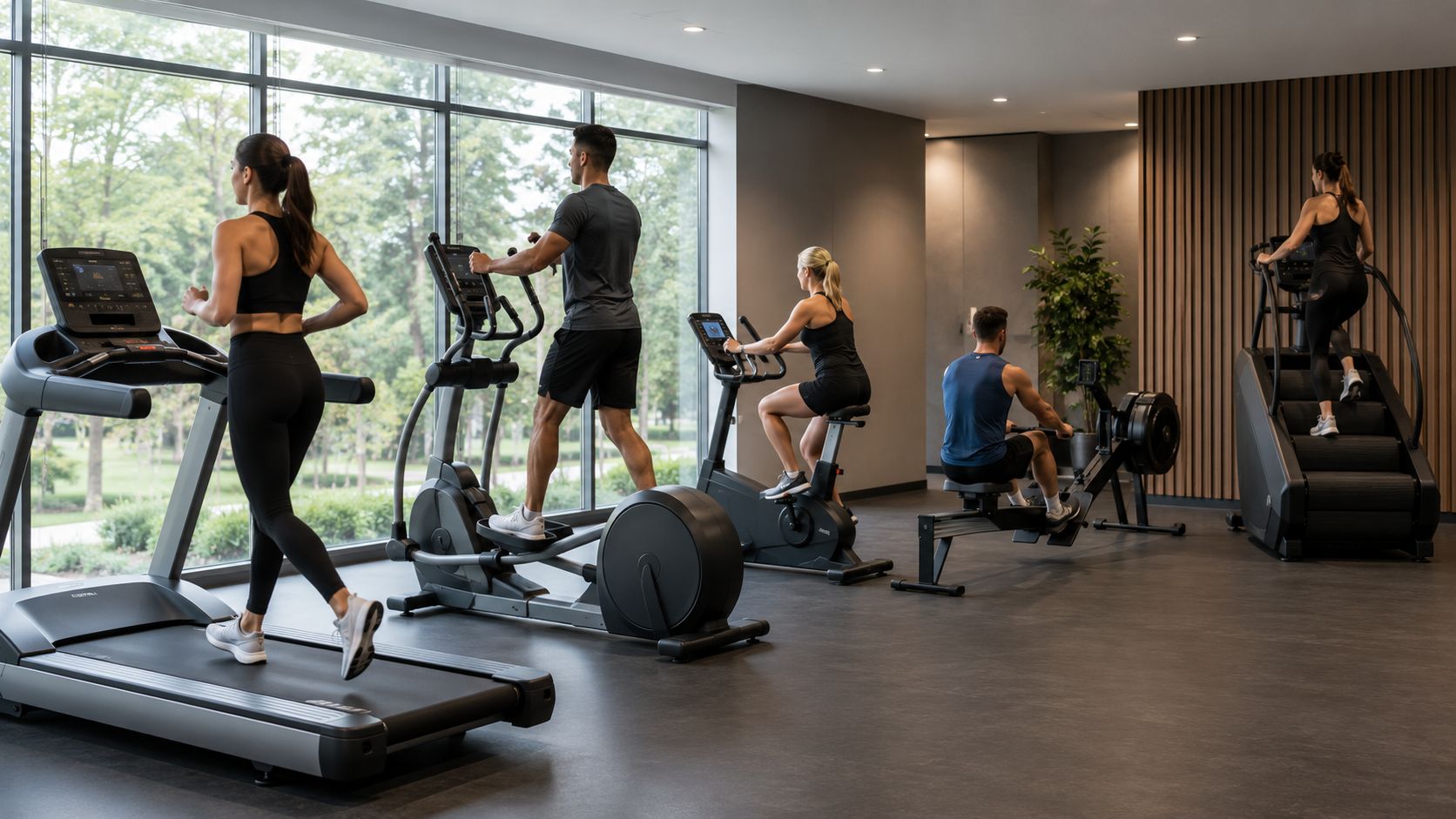
Cardio machines have transformed the way people approach health, performance, fat loss, and endurance training. From the rhythmic glide of an elliptical to the explosive intensity of a rowing machine, these machines are far more than simple calorie-burning tools. They are carefully engineered systems designed to manipulate heart rate, oxygen consumption, muscular endurance, metabolic adaptation, and recovery capacity. Understanding the science behind effective cardio machine workouts reveals why some routines create extraordinary results while others leave people frustrated, exhausted, and stagnant. Modern cardio training is rooted in exercise physiology, biomechanics, and metabolic science. Researchers continue to uncover how cardiovascular exercise influences everything from mitochondrial efficiency to hormone regulation and cognitive performance. Cardio machines have become especially valuable because they provide controlled, measurable, and customizable training environments. Unlike outdoor conditions that can vary due to weather, terrain, or safety concerns, machines allow users to target precise intensities and movement patterns.
The Physiology of Cardiovascular Adaptation
Every effective cardio workout begins with one central system: the cardiovascular system itself. During exercise, the heart pumps faster and more forcefully to deliver oxygen-rich blood to working muscles. As this process repeats consistently over time, the body begins adapting in remarkable ways. Stroke volume increases, resting heart rate often decreases, capillary density expands, and the muscles become more efficient at utilizing oxygen.
This adaptation is deeply connected to VO2 max, which measures the maximum amount of oxygen the body can use during intense exercise. Higher VO2 max levels are associated with improved endurance, better metabolic efficiency, and enhanced athletic performance. Cardio machines allow individuals to train within specific intensity zones that directly influence these physiological improvements.
Treadmills, stair climbers, rowing machines, and exercise bikes each stress the cardiovascular system differently. A treadmill workout often elevates heart rate quickly because of the weight-bearing nature of running. Cycling machines may allow for longer sustained efforts with reduced joint impact. Rowers combine cardiovascular demand with total-body muscular recruitment, creating one of the most metabolically demanding forms of machine-based exercise.
Inside the muscles themselves, cardio training stimulates mitochondrial biogenesis. Mitochondria are often called the “powerhouses” of the cell because they produce ATP, the body’s energy currency. The more mitochondria a person develops, the more efficiently the body can generate energy during prolonged activity. This is one reason trained athletes appear to sustain effort with less fatigue compared to beginners.
Cardio exercise also influences hormone balance. Effective training can improve insulin sensitivity, regulate cortisol levels, and increase endorphin release. These biochemical responses explain why many people experience better mood, improved focus, and reduced stress after consistent cardio workouts. The benefits extend far beyond physical appearance.
The Hidden Role of Energy Systems During Machine Workouts
The human body operates through multiple energy systems, and understanding them is critical for designing effective cardio sessions. Different cardio machine workouts stress different systems depending on intensity and duration.
Low-to-moderate intensity exercise primarily relies on the aerobic energy system. This system uses oxygen to convert carbohydrates and fats into usable energy. Long treadmill walks, steady cycling sessions, and moderate elliptical workouts typically fall into this category. Aerobic training improves endurance and encourages efficient fat utilization.
As workout intensity rises, the anaerobic glycolytic system becomes increasingly active. This system produces energy rapidly without relying on oxygen, but it also creates lactate accumulation. High-intensity interval training on machines such as assault bikes, stair climbers, or rowing ergometers often pushes the body into this demanding zone. These sessions improve speed, power endurance, and metabolic conditioning.
The phosphagen system dominates during short bursts of maximal effort. Sprint intervals on treadmills or explosive rowing bursts recruit this system heavily. Although these intervals are brief, they place enormous demands on the nervous system and muscular power output.
One reason interval training has gained popularity is because it challenges multiple energy systems simultaneously. Alternating between recovery and intense effort creates significant cardiovascular stress while also increasing post-exercise oxygen consumption. This phenomenon, commonly called the afterburn effect, means the body continues burning calories at an elevated rate even after the workout ends.
However, the science shows that not every workout should be high intensity. Excessive anaerobic training can increase fatigue, impair recovery, and elevate injury risk. Effective cardio programming balances different intensity zones to maximize adaptation while minimizing burnout.
Why Different Cardio Machines Produce Different Results
Each cardio machine creates a unique biomechanical and physiological experience. The movement pattern, muscle recruitment, impact forces, and resistance profile all influence the body differently.
Treadmills are among the most versatile machines because they support walking, jogging, sprinting, incline work, and endurance running. Incline treadmill workouts increase posterior chain activation, especially in the glutes and hamstrings, while also elevating cardiovascular demand without requiring faster speeds. Running, however, produces substantial impact forces that may not suit everyone.
Ellipticals reduce joint stress by creating a smooth, gliding motion. This makes them popular for rehabilitation and low-impact conditioning. Despite their gentler nature, ellipticals can still produce significant cardiovascular benefits when resistance and incline are manipulated properly.
Rowing machines are often considered one of the most efficient full-body cardio tools available. Proper rowing technique engages the legs, core, back, and arms while simultaneously challenging aerobic and anaerobic systems. Because rowing requires synchronized movement and force production, it develops both cardiovascular fitness and muscular endurance.
Exercise bikes provide scalable intensity with minimal joint stress. Upright bikes mimic traditional cycling posture, while recumbent bikes prioritize comfort and accessibility. Spin-style bikes enable aggressive interval sessions that can dramatically elevate heart rate while maintaining relatively low orthopedic stress.
Stair climbers create constant resistance against gravity, forcing the lower body to sustain repeated contractions. This often produces rapid cardiovascular fatigue and substantial caloric expenditure. The vertical movement pattern also heavily targets glute and quadriceps development.
The most effective cardio programs often combine multiple machines rather than relying on a single modality. This variation prevents repetitive stress, recruits different muscle groups, and maintains psychological engagement.
The Truth About Fat Burning and Cardio Efficiency
One of the most misunderstood aspects of cardio training involves fat burning. Many people believe longer workouts automatically lead to better fat loss, but the science is far more nuanced. Fat reduction ultimately depends on energy balance, metabolic adaptation, and training consistency rather than a single magical cardio formula.
Steady-state cardio has long been associated with fat-burning because lower intensities rely more heavily on fat oxidation. During moderate exercise, the body can sustain prolonged energy production using stored fat as fuel. However, high-intensity intervals often burn more total calories overall and may create greater metabolic disruption.
Research increasingly suggests that combining moderate aerobic work with strategic interval training provides powerful results. Steady-state sessions improve recovery capacity and aerobic efficiency, while high-intensity intervals increase metabolic demand and cardiovascular conditioning.
Muscle preservation also matters tremendously during fat loss phases. Excessive cardio without resistance training can sometimes lead to muscle loss, reducing metabolic rate over time. Effective cardio machine programming should support overall body composition goals rather than focusing exclusively on calorie burn numbers displayed on machine screens.
Another major factor is adherence. The “best” cardio workout is often the one someone can consistently maintain. Enjoyment, comfort, convenience, and motivation all influence long-term success. A rowing machine workout that someone hates is less effective in practice than a cycling routine they genuinely enjoy and perform consistently.
Nutrition further shapes cardio effectiveness. Glycogen availability, hydration status, protein intake, and overall caloric balance influence performance and recovery. Cardio alone cannot compensate for poor dietary habits, but when combined with intelligent nutrition, it becomes a powerful driver of health transformation.
How Intensity Zones Shape Performance and Recovery
Heart rate zones play a central role in modern cardiovascular training science. Different intensity zones trigger distinct physiological adaptations, and understanding them allows individuals to train with greater precision.
Zone 1 and Zone 2 training emphasize low-intensity aerobic development. These zones improve mitochondrial density, fat oxidation efficiency, and recovery capacity. Many endurance athletes spend large portions of their training time in these ranges because they build sustainable cardiovascular foundations without excessive fatigue.
Zone 3 and Zone 4 training increase cardiovascular strain significantly. These intensities improve lactate threshold, meaning the body becomes better at sustaining hard efforts before fatigue rapidly accumulates. Interval workouts on treadmills, bikes, or rowers often target these zones.
Zone 5 represents near-maximal intensity. Sprint intervals and explosive machine circuits push the body toward its upper cardiovascular limits. While highly effective for improving peak conditioning, these sessions require careful recovery management.
Recovery itself is one of the most overlooked components of cardio science. Adaptation occurs during recovery, not merely during exercise. Sleep quality, nutrition, hydration, and stress management all influence how effectively the body responds to training.
Overtraining can suppress performance, increase injury risk, and negatively affect hormonal balance. Symptoms such as chronic fatigue, poor sleep, elevated resting heart rate, and declining workout quality may indicate insufficient recovery. Effective cardio programming balances challenge with restoration.
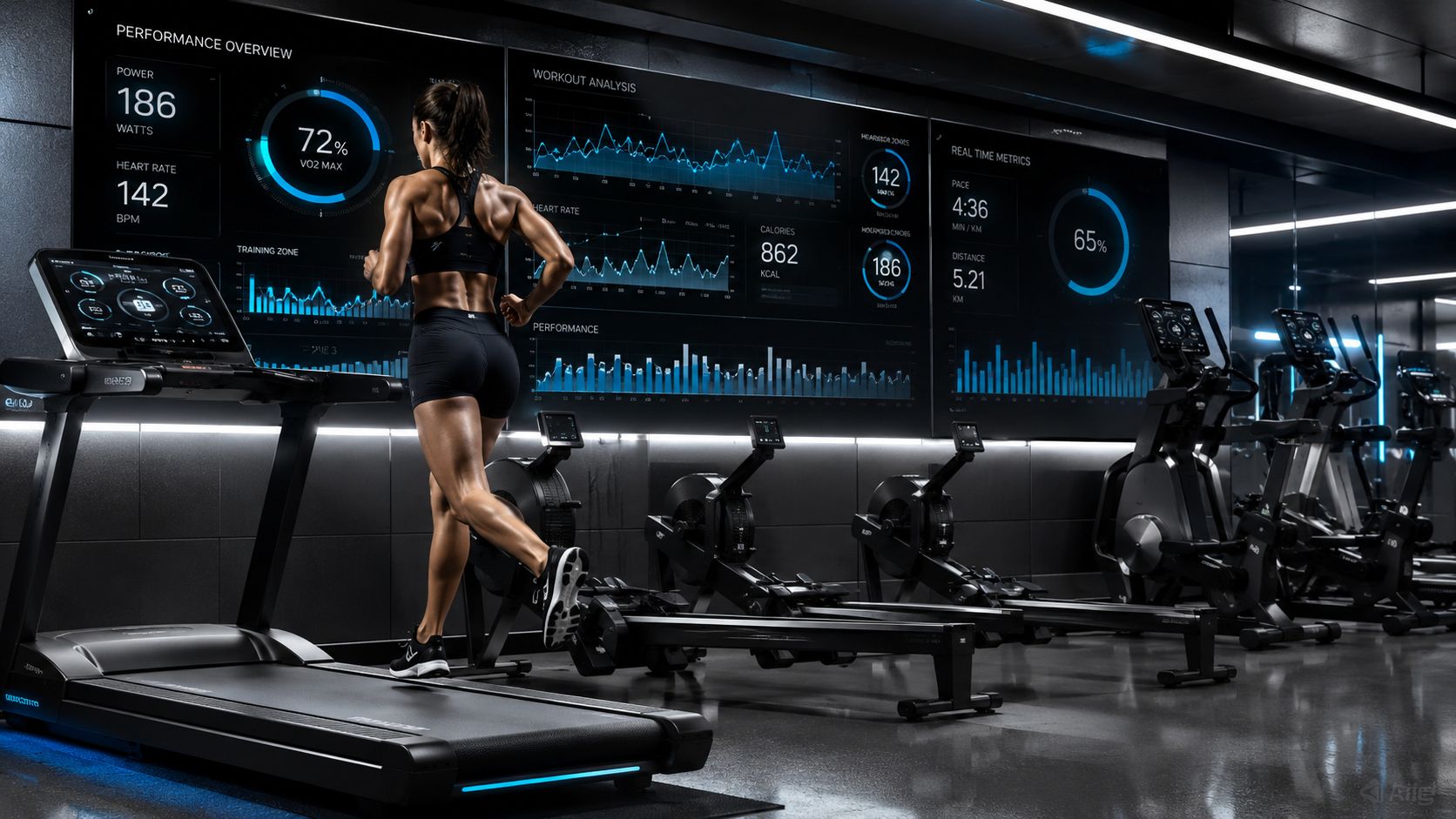
Modern fitness technology has enhanced this process significantly. Heart rate monitors, fitness trackers, and performance analytics now allow users to monitor recovery trends and optimize training intensity with greater accuracy than ever before.
The Psychological Power of Machine-Based Cardio Training
The science behind cardio machine workouts extends beyond muscles and metabolism. Cardiovascular exercise profoundly affects the brain and nervous system. Regular aerobic training increases blood flow to the brain, stimulates neurotransmitter production, and supports cognitive function.
Many people experience reduced anxiety and improved emotional resilience after consistent cardio training. This effect is partly driven by endorphins, but it also relates to changes in dopamine and serotonin regulation. Exercise can act as a powerful stress-management tool in modern high-pressure lifestyles.
Machine-based workouts also create structured environments that improve adherence. Treadmills display measurable speed and distance. Rowers track wattage and stroke rate. Bikes provide resistance metrics and cadence feedback. These measurable outputs create a sense of progress that reinforces motivation.
The rhythmic nature of cardio exercise may also induce meditative psychological states. Repetitive movement patterns combined with steady breathing can reduce mental clutter and improve focus. For some individuals, cardio sessions become a form of active mindfulness.
Music, immersive displays, virtual training programs, and interactive fitness platforms have further increased engagement. Modern cardio machines are no longer passive pieces of gym equipment. They have evolved into dynamic performance systems designed to sustain attention and encourage consistency.
Confidence often grows alongside cardiovascular fitness. As endurance improves, people frequently report greater self-efficacy and physical empowerment. This psychological transformation can positively influence nutrition habits, sleep patterns, productivity, and overall lifestyle behavior.
Building Smarter and More Effective Cardio Workouts
The most effective cardio machine workouts are intentional rather than random. Instead of simply accumulating time on a machine, intelligent programming aligns exercise selection, intensity, and recovery with specific goals.
For fat loss, combining moderate steady-state work with periodic intervals often produces balanced results. For endurance development, longer aerobic sessions remain essential. For athletic conditioning, machine-based sprint intervals and threshold training can dramatically improve work capacity.
Variation is critical. Repeating identical workouts continuously may eventually reduce adaptation due to physiological accommodation. Alternating machines, adjusting resistance, modifying intervals, and introducing incline changes help sustain progress.
Technique matters as well. Poor posture on treadmills, inefficient rowing mechanics, or improper cycling setup can reduce effectiveness and increase injury risk. Proper movement quality enhances both safety and performance.
Consistency ultimately outweighs perfection. Short, frequent cardio sessions performed regularly often generate better long-term outcomes than sporadic extreme workouts. Sustainable routines create cumulative physiological improvements that compound over months and years.
The future of cardio training continues evolving rapidly. Artificial intelligence, biometric tracking, adaptive resistance systems, and immersive digital experiences are reshaping how people interact with fitness equipment. Yet despite technological advances, the core principles remain rooted in human physiology. Effective cardio training works because the body is extraordinarily adaptive.
The Future of Cardiovascular Fitness and Human Performance
Cardio machine workouts have evolved far beyond simplistic calorie-burning routines. They now represent a sophisticated intersection of exercise science, biomechanics, psychology, and performance optimization. Every stride on a treadmill, pull on a rowing machine, or pedal stroke on a bike initiates a cascade of physiological responses that shape endurance, metabolism, and overall health. Understanding the science behind these workouts changes the way people approach fitness. Instead of chasing exhaustion, individuals can pursue purposeful adaptation. Instead of relying on myths, they can train according to proven physiological principles. The real magic of effective cardio lies in its ability to improve the body from the inside out. Stronger hearts, healthier blood vessels, more efficient energy systems, improved mental resilience, and enhanced recovery capacity all emerge from intelligent cardiovascular training. These benefits extend into daily life, supporting longevity, productivity, and vitality. As technology continues advancing, cardio machines will likely become even more personalized and data-driven. Yet the foundational truth will remain the same: the human body thrives on movement. When cardio training is approached strategically and consistently, it becomes one of the most powerful tools for transforming health, performance, and quality of life.