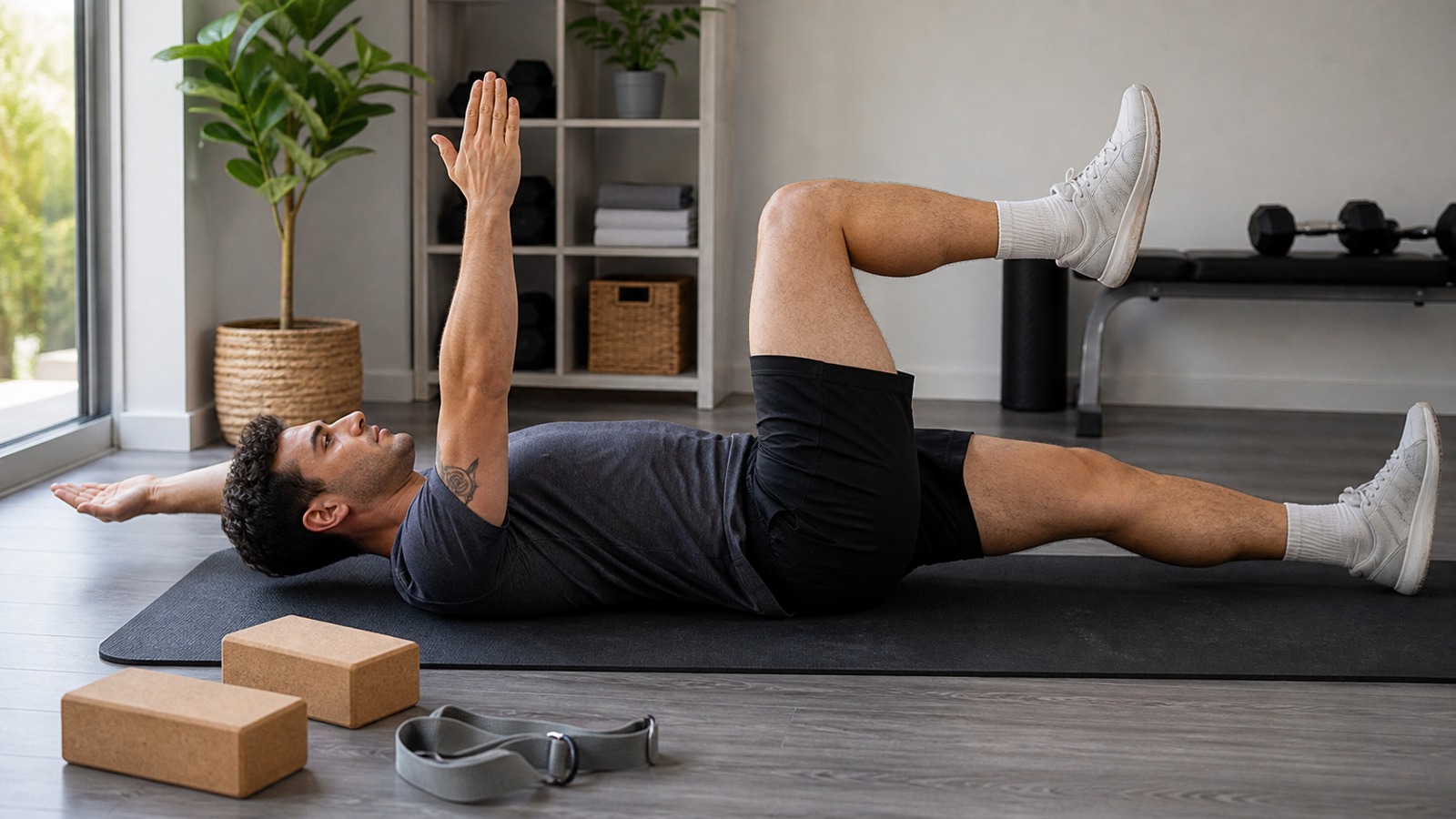
Helping Your Performance: Restorative Yoga for Athletes
In the pursuit of strength, endurance, and peak performance, athletes often focus on intense training, pushing their limits to reach new heights. While high-intensity workouts and rigorous training sessions are essential for building physical strength, the secret to sustaining that strength and performing at your best lies in recovery. Restorative yoga has emerged as a powerful tool for athletes to recover, rejuvenate, and prevent injuries. With its gentle approach to healing and flexibility, restorative yoga offers athletes the perfect balance to their active lifestyles, supporting their physical and mental well-being.
In this article, we will explore the benefits of restorative yoga for athletes, how it complements high-performance training, and why integrating this practice into your fitness routine is key to long-term success.
What is Restorative Yoga?
Restorative yoga is a gentle, slow-paced style of yoga designed to relax the body and mind through passive stretching, deep breathing, and extended holds of various poses. Unlike more dynamic forms of yoga, restorative yoga focuses on relaxation and recovery rather than strength or flexibility building through vigorous movement. In restorative yoga, poses are often held for several minutes, allowing the body to fully relax and restore.
For athletes, restorative yoga serves as a counterbalance to intense workouts and demanding sports activities. It provides an opportunity to calm the nervous system, reduce muscle tension, and promote deep, restorative healing. Through props like blankets, blocks, and bolsters, restorative yoga allows the body to settle into supported poses, facilitating a deeper release of tension and stress.
The primary goal of restorative yoga is to promote recovery, balance, and relaxation, which are all essential elements for athletes striving for optimal performance and long-term health.
The Benefits of Restorative Yoga for Athletes
Restorative yoga offers a wide range of benefits for athletes, enhancing physical recovery, mental focus, and emotional well-being. When incorporated into a training regimen, restorative yoga can:
Promote Muscle Recovery: After intense workouts or competitions, muscles can become tight and fatigued. Restorative yoga stretches the muscles and encourages circulation, aiding in the removal of toxins and the delivery of nutrients that speed up the healing process. By increasing flexibility and releasing muscle tightness, restorative yoga helps athletes recover faster and return to their training stronger than before.
Improve Flexibility and Mobility: Flexibility is crucial for athletes, as it helps with range of motion and prevents injuries. Restorative yoga involves deep stretching that targets tight muscles and improves joint mobility. By holding poses for extended periods, restorative yoga promotes the lengthening of muscles and fascia, increasing flexibility and improving overall mobility. This makes it easier for athletes to perform at their best and prevent stiffness during intense activities.
Reduce Stress and Anxiety: High-performance athletes are often under immense physical and mental stress. The pressure to perform, coupled with the demands of intense training, can lead to anxiety and burnout. Restorative yoga offers a mindful space to de-stress and recharge. Through deep breathing techniques and meditative poses, restorative yoga helps lower cortisol levels (the stress hormone) and calm the nervous system. This not only improves an athlete’s emotional resilience but also enhances focus, ensuring they can maintain a calm and positive mindset both during training and competition.
Enhance Sleep Quality: Quality sleep is essential for muscle recovery, cognitive function, and overall health. Unfortunately, athletes often experience disrupted sleep patterns due to physical exertion, stress, or mental fatigue. Restorative yoga promotes deep relaxation, which can significantly improve sleep quality. By calming the body and mind, restorative yoga helps prepare athletes for a restful night’s sleep, facilitating muscle repair and mental rejuvenation.
Injury Prevention: One of the greatest risks for athletes is overuse injuries caused by repetitive movements or muscle imbalances. Restorative yoga helps prevent injuries by addressing tightness, improving flexibility, and enhancing joint mobility. By focusing on proper alignment and gentle stretching, restorative yoga ensures that the body remains balanced and functional, reducing the risk of strain or injury during high-intensity activities.
Mental Clarity and Focus: As much as physical conditioning is important, mental conditioning is equally crucial for athletes. Restorative yoga helps athletes develop mindfulness, which enhances concentration and mental clarity. The practice of deep breathing and meditation encourages athletes to tune into their bodies, fostering a greater sense of awareness and presence. This improved focus can translate into better performance during training, competitions, and everyday activities.
How Restorative Yoga Complements High-Intensity Training
While high-intensity workouts and sports training are essential for building strength, stamina, and agility, they also place significant stress on the body. Restorative yoga offers athletes the opportunity to restore and balance the body’s energy, helping to mitigate the physical toll of intense exercise. Here’s how restorative yoga complements high-intensity training:
Aiding Muscle Recovery: Intense workouts create microtears in muscle fibers, leading to soreness and fatigue. Restorative yoga helps repair these microtears by improving blood flow, enhancing nutrient delivery to the muscles, and promoting relaxation. As a result, athletes experience faster recovery and reduced muscle soreness, allowing them to train harder and more frequently.
Supporting Flexibility: Flexibility is often overlooked in high-intensity training, but it’s a key component of injury prevention. The deep stretching and passive holds of restorative yoga improve muscle elasticity, enabling athletes to perform dynamic movements with greater ease and efficiency. Restorative yoga enhances flexibility in a way that complements strength training, ensuring that athletes stay mobile and agile while reducing the risk of strains and sprains.
Promoting Balance and Alignment: Many athletes are prone to muscle imbalances due to repetitive movements in their sport or workout routine. Restorative yoga helps address these imbalances by focusing on proper alignment and muscle engagement. It also works on improving posture, which is essential for overall body mechanics. By fostering balance in the body, restorative yoga ensures that athletes remain aligned, reducing the risk of discomfort or injury.
Restoring Energy: High-intensity workouts can deplete an athlete’s energy reserves, leading to fatigue and burnout. Restorative yoga offers a way to recharge and replenish energy by activating the parasympathetic nervous system (the “rest and digest” system), which promotes relaxation and recovery. This helps athletes avoid the detrimental effects of overtraining, including fatigue and diminished performance.
Incorporating Restorative Yoga into an Active Lifestyle
Incorporating restorative yoga into an active lifestyle doesn’t require a complete overhaul of your existing fitness routine. Instead, it’s about finding a balance that complements your intense training and ensures you stay physically and mentally healthy. Here’s how you can integrate restorative yoga into your active lifestyle:
Post-Workout Recovery: After an intense workout or competition, dedicate 15 to 20 minutes to restorative yoga. Focus on gentle stretches and poses that target areas of tension or fatigue. For example, use forward bends, gentle twists, or hip openers to stretch the legs, hips, and lower back. This will promote muscle recovery and help reduce any stiffness or tightness.
Restorative Yoga Classes: Many yoga studios offer restorative yoga classes specifically designed for athletes and active individuals. These classes incorporate poses that target areas of the body commonly affected by intense physical activity, such as the hips, hamstrings, shoulders, and lower back. If you prefer a guided session, attending a restorative yoga class can be a great way to deepen your practice and receive personalized instruction.
Incorporate Yoga at Home: If you prefer to practice at home, set aside time each week for restorative yoga. You don’t need a full hour—just 15-30 minutes of gentle stretching and breathing can make a big difference. Use props like pillows, blankets, and blocks to support your practice and allow your body to fully relax into each pose.
Mindful Breathing: Focus on mindful breathing throughout your daily routine. Practicing deep, diaphragmatic breathing can help reduce stress, improve mental clarity, and enhance relaxation. This can be done anywhere—during a workout warm-up, while commuting, or even before bed.
The Lasting Impact of Restorative Yoga
Integrating restorative yoga into your fitness routine not only improves recovery and performance but also enhances the longevity of your athletic career. By consistently prioritizing recovery, athletes can reduce the risk of burnout, muscle imbalances, and injury, while also improving mental well-being. The benefits of restorative yoga extend beyond the physical, helping athletes cultivate a sense of calm, focus, and resilience that translates into all areas of their lives.
Whether you are a professional athlete or someone with a passion for fitness, restorative yoga can be the missing piece in your training program. By committing to recovery through restorative yoga, you’ll ensure that your body stays strong, flexible, and ready to perform at its best.
A Stronger, More Resilient You
Incorporating restorative yoga into your fitness plan doesn’t just enhance your physical recovery—it also nurtures your mental resilience. As athletes, we often focus on the hustle and grind, but true success comes from balance. Restorative yoga offers a powerful tool to restore that balance, ensuring that your body and mind remain in top form for whatever challenges lie ahead. It’s time to give yourself the gift of recovery, flexibility, and rejuvenation through restorative yoga, and unlock the full potential of your athletic journey.