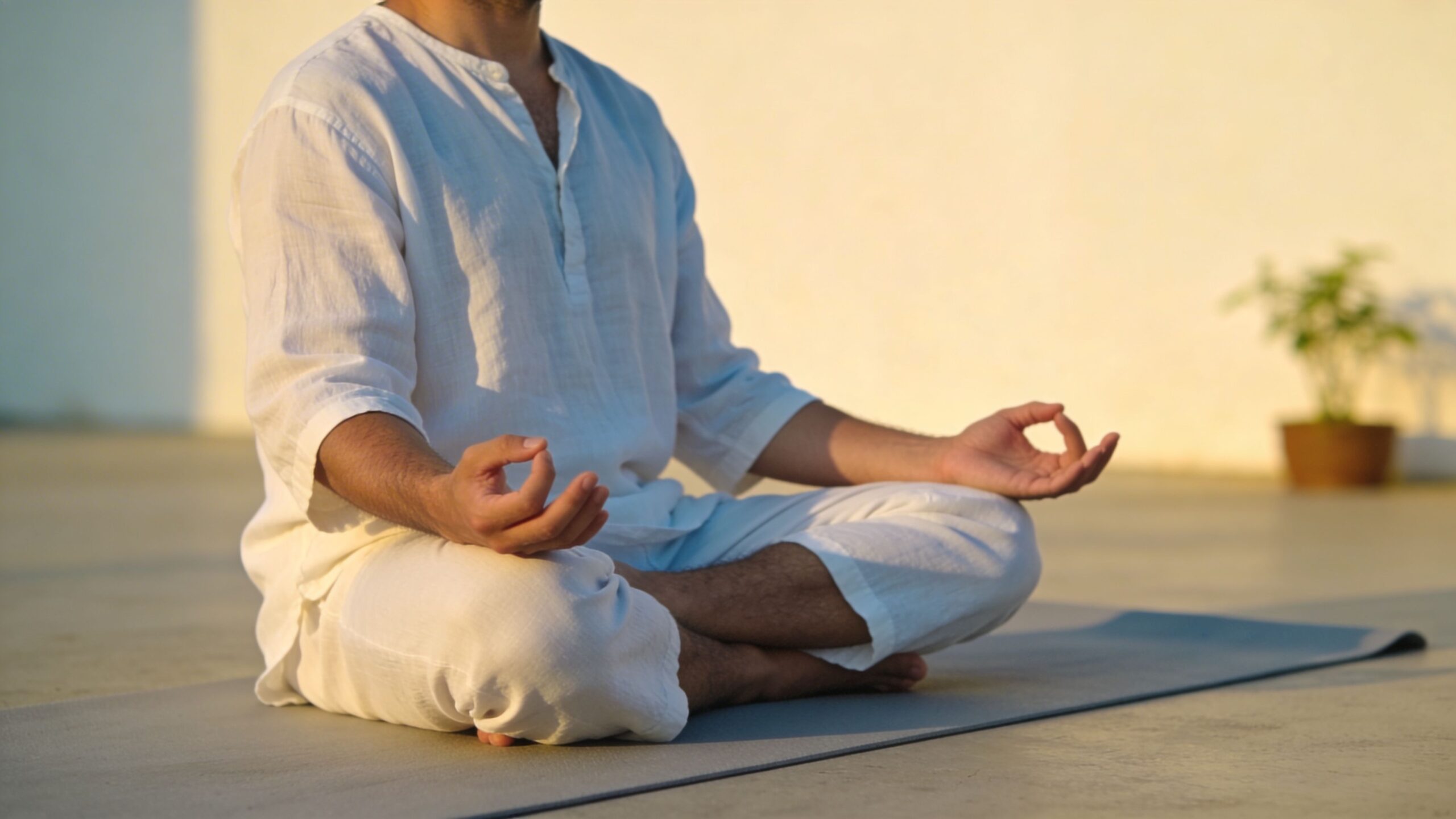
In the world of fitness, intensity often steals the spotlight. High-output workouts, heavy lifts, and sweat-drenched sessions tend to define what progress looks like. Yet beneath the surface of peak performance lies a quieter, often overlooked force that determines how effectively the body recovers, rebuilds, and prepares for the next challenge: breath. Breathing is not just a background process keeping us alive; it is a powerful physiological tool that can accelerate recovery, calm the nervous system, and enhance restorative exercise. Restorative exercise, by nature, is designed to help the body repair and reset. Whether it’s yoga, mobility work, foam rolling, or low-intensity movement, these sessions aim to reduce stress rather than create it. The missing link for many people, however, is intentional breathing. When breath is consciously controlled, it transforms restorative exercise from passive recovery into an active, deeply effective practice that supports both physical and mental well-being.
Understanding the Science of Breath and the Nervous System
To fully appreciate the role of breathing in restorative exercise, it is essential to understand how breath interacts with the nervous system. The human body operates through two primary branches of the autonomic nervous system: the sympathetic system, responsible for “fight or flight,” and the parasympathetic system, responsible for “rest and digest.”
Most high-intensity workouts activate the sympathetic response, increasing heart rate, blood pressure, and alertness. This is beneficial during exercise, but if the body remains in this heightened state for too long, recovery becomes compromised. Chronic stress, poor sleep, and fatigue often follow.
Breathing serves as one of the most direct ways to shift the body back into a parasympathetic state. Slow, controlled breathing signals safety to the brain, lowering heart rate and reducing cortisol levels. This shift allows muscles to relax, tissues to repair, and the mind to unwind.
Restorative exercise is the ideal environment for activating this system. When combined with intentional breathing, it creates a powerful synergy that promotes healing at both a cellular and systemic level. This is where breathing techniques move from being a simple habit to a strategic tool for recovery.
Diaphragmatic Breathing: The Foundation of Recovery
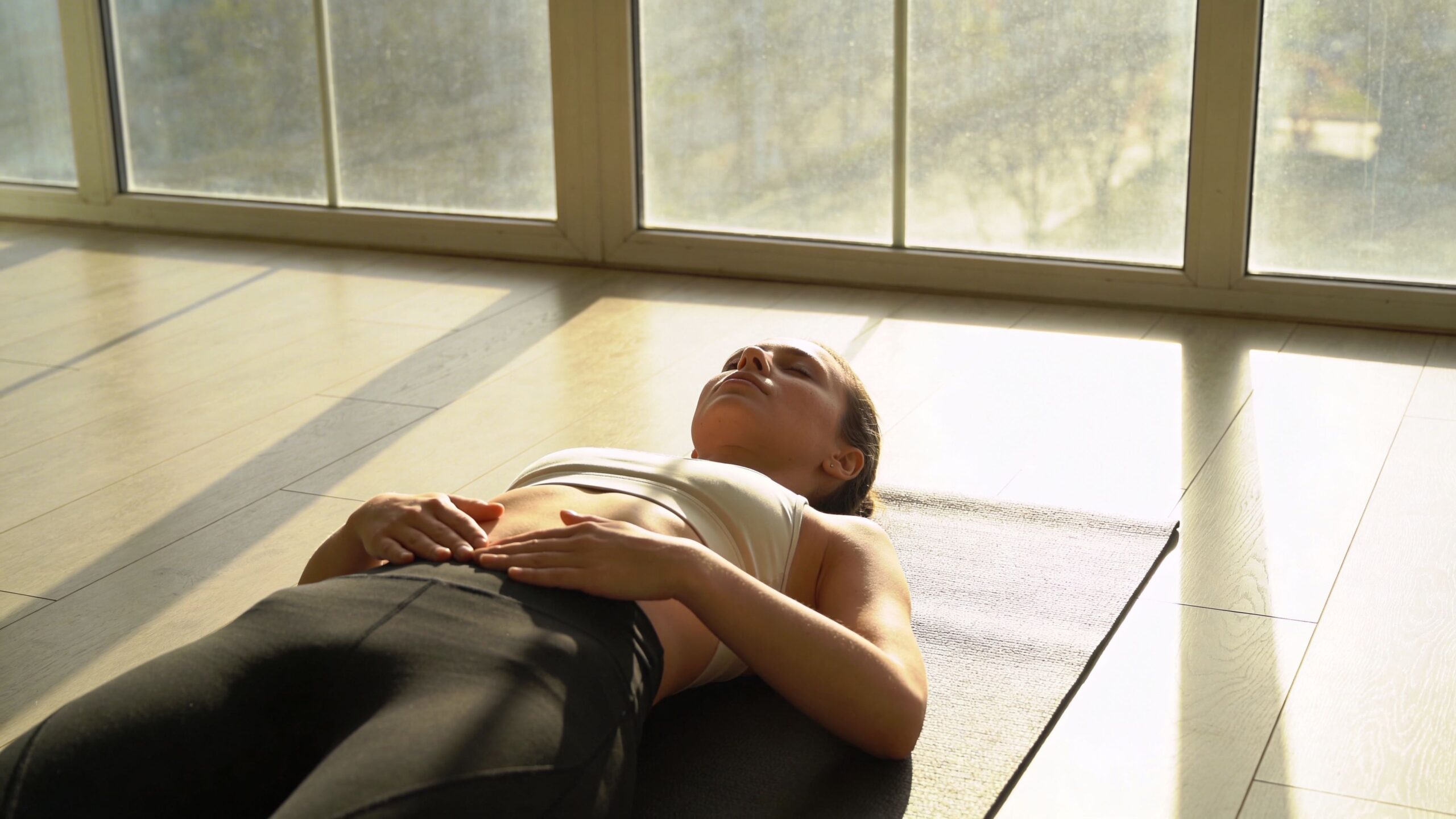
At the core of all effective breathing techniques lies diaphragmatic breathing, often referred to as belly breathing. This method focuses on engaging the diaphragm fully, allowing the lungs to expand efficiently and maximizing oxygen intake.
Many people unknowingly rely on shallow chest breathing, especially during times of stress. This pattern limits oxygen exchange and keeps the body in a semi-alert state. Diaphragmatic breathing, on the other hand, encourages deep, slow breaths that expand the abdomen rather than the chest.
When practicing restorative exercise, diaphragmatic breathing serves as the foundation. As you inhale, the diaphragm contracts and moves downward, allowing the lungs to fill completely. As you exhale, the diaphragm relaxes, helping to push air out efficiently. This rhythm promotes relaxation and enhances circulation, delivering oxygen and nutrients to recovering muscles.
Incorporating this technique into activities like stretching or yoga creates a more immersive experience. Movements become smoother, tension begins to release, and the body transitions into a state of calm readiness. Over time, diaphragmatic breathing can retrain the body’s default breathing pattern, making recovery more efficient even outside of exercise sessions.
Box Breathing: Structuring Calm and Control
While diaphragmatic breathing establishes the baseline, box breathing introduces structure and rhythm. This technique involves inhaling, holding, exhaling, and holding again for equal counts, creating a balanced breathing cycle.
Box breathing is particularly effective during restorative exercise because it brings both mental focus and physiological calm. The structured pattern encourages mindfulness, helping individuals stay present in their movements rather than distracted by external stressors.
During a restorative session, box breathing can be paired with slow mobility exercises or static stretches. For example, inhaling for four seconds, holding for four, exhaling for four, and holding again for four creates a steady cadence that aligns with gentle movement. This synchronization enhances body awareness and reduces tension.
One of the most powerful aspects of box breathing is its ability to regulate the nervous system quickly. It is commonly used by athletes, military personnel, and high-performance professionals to manage stress in real time. In the context of restorative exercise, it becomes a tool for deepening relaxation and improving recovery efficiency.
4-7-8 Breathing: Unlocking Deep Relaxation
For those seeking a deeper level of calm, 4-7-8 breathing offers a highly effective approach. This technique involves inhaling for four seconds, holding the breath for seven seconds, and exhaling slowly for eight seconds. The extended exhale plays a critical role in activating the parasympathetic nervous system.
During restorative exercise, 4-7-8 breathing can be used to transition the body into a deeply relaxed state. It is particularly beneficial at the end of a session, when the goal is to fully unwind and prepare for recovery.
The longer exhale helps reduce heart rate and encourages the release of built-up tension. Muscles begin to soften, and the mind shifts away from stress and into a state of calm clarity. This makes it an excellent technique for post-workout cooldowns or evening routines.
Incorporating 4-7-8 breathing consistently can also improve sleep quality, which is one of the most important factors in recovery. By training the body to relax more efficiently, this technique supports both immediate and long-term restorative benefits.
Nasal Breathing: Enhancing Oxygen Efficiency and Endurance
Nasal breathing is another powerful yet often overlooked technique that plays a significant role in restorative exercise. Unlike mouth breathing, nasal breathing filters, humidifies, and regulates the air entering the body. It also promotes better oxygen exchange and supports optimal carbon dioxide balance.
During low-intensity or restorative activities, breathing through the nose helps maintain a steady, controlled rhythm. This not only improves oxygen delivery but also encourages a calmer state of mind. The body becomes more efficient, using less energy while still supporting recovery processes.
Nasal breathing also has a unique effect on endurance and resilience. By slightly restricting airflow, it trains the body to tolerate higher levels of carbon dioxide, which can improve overall breathing efficiency over time. While this is often associated with endurance training, it also benefits recovery by optimizing how the body utilizes oxygen.
Incorporating nasal breathing into restorative exercise can be as simple as maintaining awareness of breath during movement. Over time, it becomes a natural habit that enhances both performance and recovery.
Resonance Breathing: Finding the Body’s Natural Rhythm
Resonance breathing, sometimes referred to as coherent breathing, focuses on achieving a specific breathing rate that optimizes heart rate variability and nervous system balance. Typically, this involves breathing at a pace of about five to six breaths per minute.
This technique creates a harmonious interaction between the heart, lungs, and nervous system. The result is a state of balance that supports both physical recovery and emotional well-being.
During restorative exercise, resonance breathing can be paired with slow, flowing movements such as yoga or tai chi. The consistent rhythm helps synchronize breath and movement, creating a meditative experience that enhances relaxation.
One of the key benefits of resonance breathing is its ability to improve heart rate variability, a marker of recovery and overall health. Higher variability indicates a more adaptable and resilient system, which is essential for both performance and long-term wellness.
By incorporating this technique into regular recovery sessions, individuals can create a powerful feedback loop that supports both immediate relaxation and ongoing physiological improvement.
Integrating Breathing Techniques into Restorative Workouts
Understanding these breathing techniques is only the first step; the real impact comes from integrating them into a consistent routine. Restorative exercise provides the perfect opportunity to practice intentional breathing without the distractions of high-intensity effort.
A well-structured session might begin with diaphragmatic breathing to establish a foundation of calm. As the session progresses, box breathing can be introduced to create rhythm and focus. Toward the end, 4-7-8 breathing or resonance breathing can help transition the body into a deeply relaxed state.
The key is not to overcomplicate the process. Breathing should feel natural and supportive, not forced. With practice, these techniques become intuitive, enhancing the overall effectiveness of restorative exercise.
Consistency is what drives results. Just as strength and endurance improve with regular training, the benefits of intentional breathing compound over time. The body becomes more efficient at recovering, stress levels decrease, and overall performance improves.
Breathing as a Long-Term Strategy for Health and Performance
Breathing techniques are not just tools for individual sessions; they are long-term strategies for health, recovery, and performance. By incorporating intentional breathing into restorative exercise, individuals can create a foundation that supports every aspect of their fitness journey. The benefits extend beyond the gym. Improved breathing patterns can enhance focus, reduce anxiety, and promote better sleep. These factors play a critical role in overall well-being and contribute to sustained progress over time. In a culture that often prioritizes intensity and output, it is easy to overlook the importance of recovery. Yet true progress is built during the moments of rest and repair. Breathing techniques offer a simple yet powerful way to maximize these moments, turning recovery into a proactive and transformative process. As more people begin to recognize the value of restorative exercise, the role of breath will continue to gain attention. It is a tool that requires no equipment, no cost, and no special environment—only awareness and practice. By mastering the art of breathing, individuals can unlock a deeper level of recovery, resilience, and performance. It is not just about taking a breath; it is about using it with purpose, intention, and precision to support a stronger, healthier, and more balanced life.