
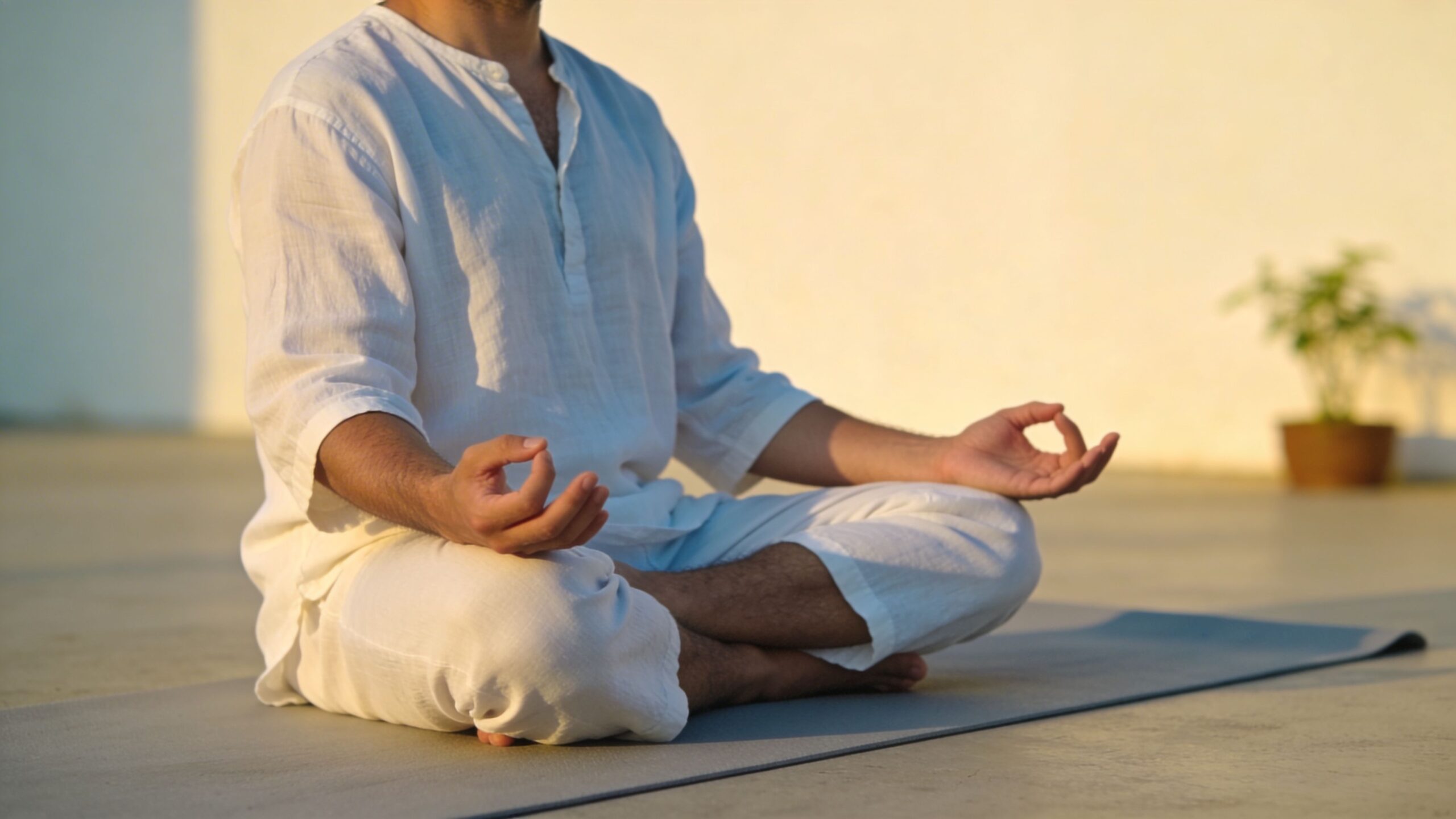
In a world where time feels limited and schedules are packed, the idea of adding another workout—even a restorative one—can feel unrealistic. Yet some of the most powerful improvements in performance, recovery, and overall well-being don’t come from longer or harder sessions, but from smarter ones. A 20-minute restorative workout, when done with intention, can reset your body, calm your mind, and prepare you for whatever comes next. Restorative workouts are not about burning calories or pushing limits. They are about giving your body what it needs to recover, repair, and rebalance. These sessions focus on mobility, breathwork, gentle movement, and relaxation, helping you reduce tension and improve how your body feels and functions. The beauty of a 20-minute approach is that it removes barriers. You don’t need a gym, expensive equipment, or a large block of time. You only need a small space, a willingness to slow down, and a commitment to consistency.
The Science Behind Short Restorative Sessions
It might seem surprising that just 20 minutes can make a meaningful difference, but the body responds quickly when the right systems are targeted. Restorative workouts primarily influence the nervous system, circulation, and connective tissues, all of which play a crucial role in recovery.
When you engage in slow, controlled movement paired with intentional breathing, your body shifts into a parasympathetic state. This is the mode where healing occurs. Heart rate decreases, stress hormones drop, and muscles begin to relax. Even a short session can trigger this shift, allowing your body to move out of a constant state of stress.
Additionally, gentle movement improves blood flow, which helps deliver oxygen and nutrients to muscles while removing waste products. This process supports muscle repair and reduces soreness. Over time, consistent restorative sessions can also improve flexibility, joint health, and overall movement quality.
The key is not the duration alone, but the quality of the session. A focused 20 minutes of restorative work can be far more effective than an hour of distracted or overly intense activity. When done correctly, these short sessions become a cornerstone of both recovery and performance.
A Full-Body Reset: The 20-Minute Mobility Flow
One of the most effective ways to use a 20-minute window is through a full-body mobility flow. This type of session is designed to gently move each major joint through its range of motion, releasing stiffness and improving flexibility.
The flow typically begins with simple movements that wake up the body, such as slow neck rolls and shoulder circles. From there, it progresses into larger movements like spinal rotations, hip openers, and gentle lunges. Each movement is performed slowly, with a focus on control and breath.
As the session continues, the body begins to loosen, and tension starts to fade. The goal is not to stretch aggressively, but to explore movement in a comfortable and controlled way. This approach helps improve mobility without triggering additional stress.
By the end of the 20 minutes, the body feels more open, balanced, and ready for activity. This type of workout is especially beneficial after long periods of sitting or following intense training sessions. It acts as a reset, bringing the body back into alignment and restoring natural movement patterns.
Breath-Led Recovery: A Calm and Controlled Routine
Breathing is one of the most powerful tools for recovery, yet it is often overlooked. A 20-minute breath-led restorative workout focuses on using the breath to guide movement and relaxation, creating a deeply calming experience.
The session begins with diaphragmatic breathing, allowing the body to settle and the mind to slow down. As the breath deepens, gentle movements are introduced, synchronized with each inhale and exhale. This might include simple stretches, slow transitions between positions, or light mobility work.
The emphasis is on rhythm and awareness. Each movement becomes an extension of the breath, creating a seamless flow that encourages relaxation. Over time, this type of practice can improve breathing efficiency, reduce stress, and enhance overall recovery.
As the session comes to a close, the focus shifts entirely to stillness. A few minutes of controlled breathing in a relaxed position allows the body to fully absorb the benefits of the practice. This combination of movement and breath creates a powerful reset that extends beyond the physical, supporting mental clarity and emotional balance.
Low-Impact Cardio for Active Recovery at Home
While restorative workouts are often associated with stillness, incorporating low-impact cardio can also play a valuable role. A 20-minute session of gentle, continuous movement helps promote circulation and supports recovery without placing additional strain on the body.
This might include activities like walking in place, light cycling on a stationary bike, or even slow, controlled bodyweight movements. The intensity remains low, allowing you to maintain a conversation without feeling out of breath.
The purpose of this type of workout is to keep the body moving while giving it a break from high-intensity demands. It helps reduce stiffness, improve blood flow, and maintain a sense of routine. For those who struggle with completely resting, low-impact cardio offers a middle ground that supports recovery while still feeling productive.
By keeping the session short and controlled, you ensure that it enhances recovery rather than interfering with it. This approach is particularly useful on days when the body feels slightly fatigued but still capable of light movement.
Stretch and Release: Targeting Tension and Tightness
Another effective 20-minute restorative workout focuses on stretching and releasing tension throughout the body. This type of session is especially beneficial for individuals who experience tightness in specific areas, such as the hips, shoulders, or lower back.
The workout begins with gentle stretches held for longer durations, allowing muscles to gradually relax. Foam rolling or self-massage techniques can also be incorporated to target areas of tension and improve tissue quality.
As the session progresses, the body begins to release built-up tightness. Movements become easier, and discomfort starts to diminish. This process not only improves flexibility but also enhances overall movement efficiency.
The key to this type of workout is patience. Rushing through stretches or applying too much pressure can counteract the benefits. Instead, the focus should remain on slow, controlled movements and steady breathing.
By dedicating just 20 minutes to stretching and release, you can significantly improve how your body feels and performs, both during workouts and in daily life.
Evening Wind-Down: Preparing the Body for Deep Recovery
Restorative workouts are not limited to daytime routines. A 20-minute session in the evening can be one of the most effective ways to prepare the body for sleep and overnight recovery.
This type of workout focuses on calming the nervous system and releasing the tension accumulated throughout the day. It often includes gentle stretching, slow movements, and extended breathing exercises.
The environment plays an important role in this session. Dim lighting, a quiet space, and minimal distractions help create a sense of calm. As the body begins to relax, the mind follows, making it easier to transition into sleep.
Improved sleep quality is one of the most significant benefits of restorative exercise. During sleep, the body undergoes critical repair processes, including muscle recovery and hormone regulation. By using a short evening routine to enhance relaxation, you can maximize these benefits and wake up feeling more refreshed.
This approach turns recovery into a daily habit rather than something reserved for rest days, supporting long-term health and performance.
Building Consistency with Simple, Effective Routines
The true power of 20-minute restorative workouts lies in their simplicity and accessibility. Because they require minimal time and equipment, they are easier to incorporate into a consistent routine. This consistency is what drives long-term results. Rather than viewing these sessions as optional, it helps to see them as essential components of your fitness plan. They provide the balance needed to support more intense training while also improving overall well-being. Over time, these short workouts begin to compound. The body becomes more mobile, less prone to injury, and better equipped to handle stress. Recovery improves, and performance follows. The key is to approach each session with intention. Even though the workouts are short, they should be focused and purposeful. By prioritizing quality over quantity, you ensure that every minute contributes to your progress. In a fitness landscape that often emphasizes doing more, 20-minute restorative workouts offer a different perspective. They remind us that sometimes the most effective way to move forward is to slow down, reset, and give the body exactly what it needs.


